Newsletter Subscribe
Enter your email address below and subscribe to our newsletter
[forminator_form id="25163"]

All voices matter
freedomonline+1bbc+1freedomonline+1The International Monetary Fund published its 2026 Annual Report on Wednesday, titled "Navigating a Precarious World," warning that rising public debt, geopolitical shocks, and the rapid spread of artificial intelligence are reshaping the global economy and narrowing governments' room to maneuver.imf+1
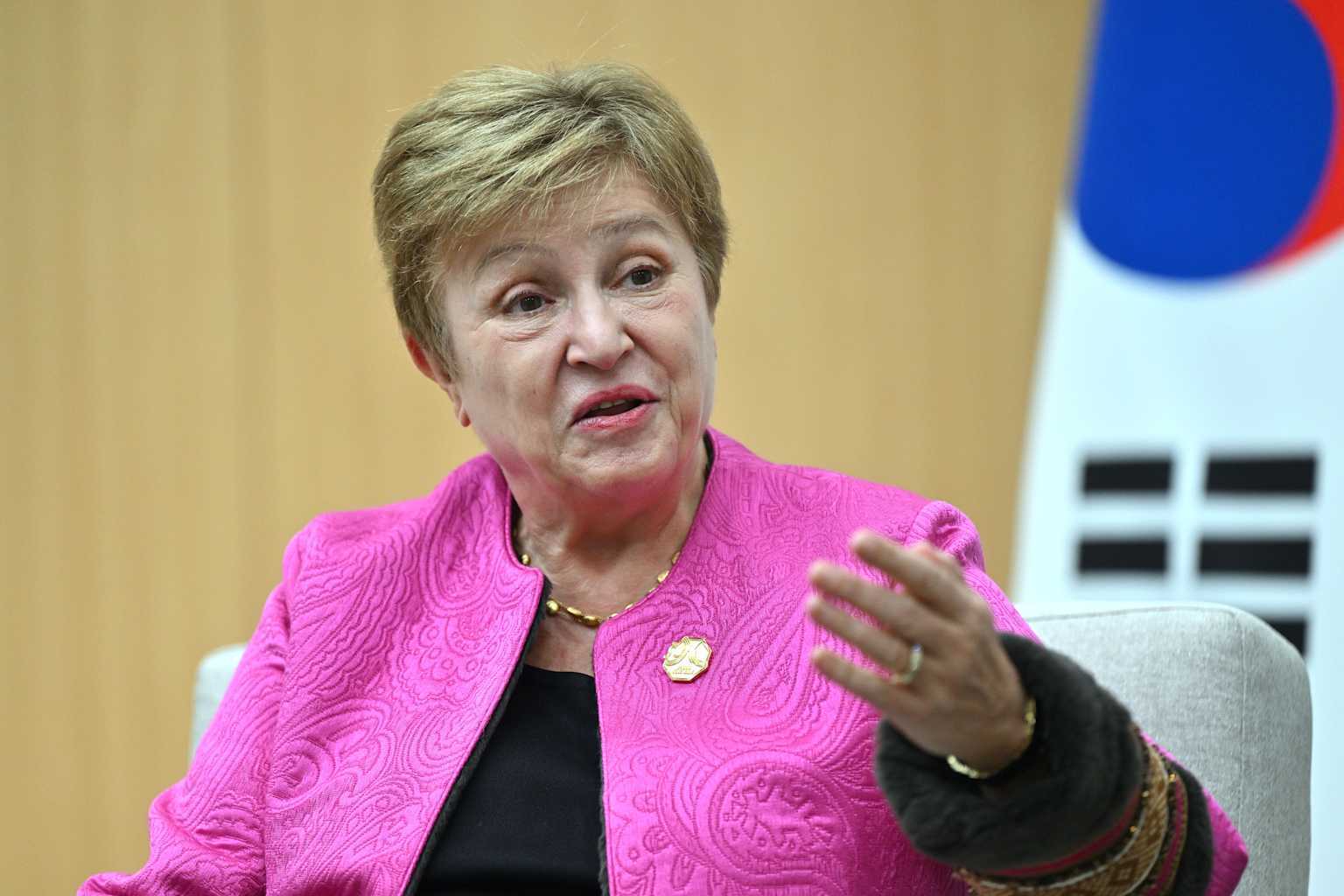
IMF Managing Director Kristalina Georgieva used the report's release — timed to the United Nations General Assembly in New York — to deliver a pointed message to wealthy nations. In an interview with the BBC, she said global economic shocks have been "elevating debt levels like a staircase not to heaven," yet governments have failed to act on rising borrowing costs.bbc
Georgieva singled out the United States and the United Kingdom as examples of the fiscal strain facing advanced economies. U.S. national debt surpassed $40 trillion last month, having doubled in a decade. In the UK, government borrowing reached £18.3 billion in August, roughly 20% above the prior year and exceeding official forecasts, while debt interest payments hit their highest August level since records began in 1997.news.sbs+1
"There are two essential actions that must be taken: reduce debt levels, prioritize fiscal consolidation, and ensure that central banks fulfill their mandate for price stability," Georgieva told the BBC. She urged politicians to show "courage" in pursuing reforms that are "politically challenging" but necessary.bbc
The report identifies four forces reshaping the global landscape: surging public debt, a wave of AI investment transforming economies and labor markets, trade reorientation driven by an energy supply shock, and the rapid development of stablecoins and central bank digital currencies. Global growth for 2026 remains around 3%, according to the Fund, with risks tilted to the downside.portugalglobal+1
Georgieva acknowledged AI's potential to boost productivity but warned it could also threaten financial stability if systems "go out of control". During the fiscal year covered by the report, the IMF completed 138 country consultations, provided $40 billion in financing to 18 nations, and committed $400 million to technical assistance and training.freedomonline+2
With advanced economies facing constrained budgets, Georgieva argued that governments must lean on structural reforms to attract private investment rather than relying on public spending to drive growth. "Each new shock only shows more clearly how interconnected we are," she said, "and how much our members can benefit from pooling their collective strength".freedomonline