Newsletter Subscribe
Enter your email address below and subscribe to our newsletter
[forminator_form id="25163"]

All voices matter
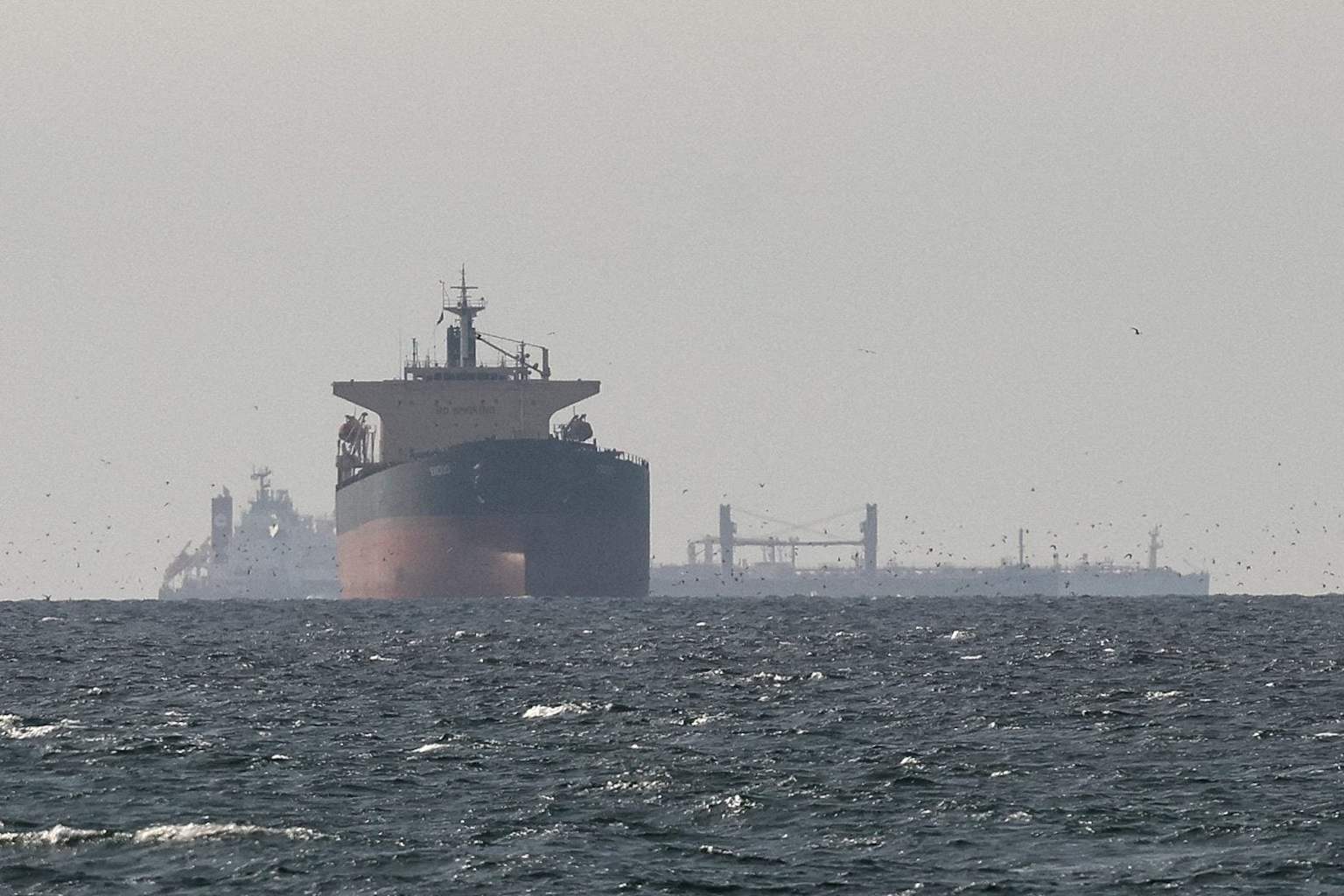
reutersmorningstar+1reutersOPEC crude oil production fell by 640,000 barrels per day in August to 19.71 million bpd, snapping a two-month recovery as the US-Iran war disrupted Saudi Arabian exports and a US naval blockade choked off Iranian shipments, according to a Reuters survey published Wednesday.reuters+1
The decline came even as seven OPEC+ members had agreed in July to increase production by 188,000 bpd in August. The Middle East conflict made that impossible, Reuters reported, with Saudi output bearing the brunt of the disruption as threats intensified along both of the kingdom's export routes.investing+2
The production drop has compounded an already tight global market. The US Energy Information Administration raised its oil price forecasts this week, citing rapidly falling global stockpiles under pressure from the loss of Middle Eastern supply. Oil prices surged past $100 per barrel this week, with both WTI and Brent climbing to their highest levels since May.reuters+2
The war, which began with a large-scale US-Israeli attack on Iran in late February, prompted Iran's near-closure of the Strait of Hormuz, a chokepoint that previously handled about one-fifth of global crude supply. While the United States has made progress in recent weeks loosening Iran's grip on the strait, a US blockade has virtually halted Iran's own oil exports, according to Homayoun Falakshahi, an oil expert at Kpler London Stock Exchange Group plc.abcnews+1
Bloomberg separately estimated OPEC's August output decline at 900,000 bpd, with Saudi Arabia alone losing just over one million barrels per day.bloomberg
The supply disruption has reshaped crude trading flows across Asia. Chinese independent refiners have rushed to secure oil from West Africa, Canada, and South America, snapping up more than 20 million barrels in recent weeks to replace thinning Iranian and Russian supplies, Reuters reported. Singapore-based Aster Chemicals and Energy, which once sourced about 70% of its crude from the Middle East, is now buying from West Africa, Latin America, the US, and Canada to keep its Bukom Island refinery running.africa.businessinsider+2
Japanese refiners Cosmo Energy and Eneos have purchased US crude, while Taiwan's CPC has turned to American and West African barrels. The shift is driving up physical crude premiums and shipping costs across the region.reuters+1
The International Energy Agency warned Thursday that the latest US-Iran escalation would delay any recovery in oil flows into next year. With the Strait of Hormuz and Red Sea shipping lanes still under threat, analysts see continued upward pressure on prices. Before the war, Asia sourced more than half of its crude from the Middle East — a dependency the conflict has forced the region to unwind at speed and at a premium.morningstar+1