Newsletter Subscribe
Enter your email address below and subscribe to our newsletter
[forminator_form id="25163"]

All voices matter
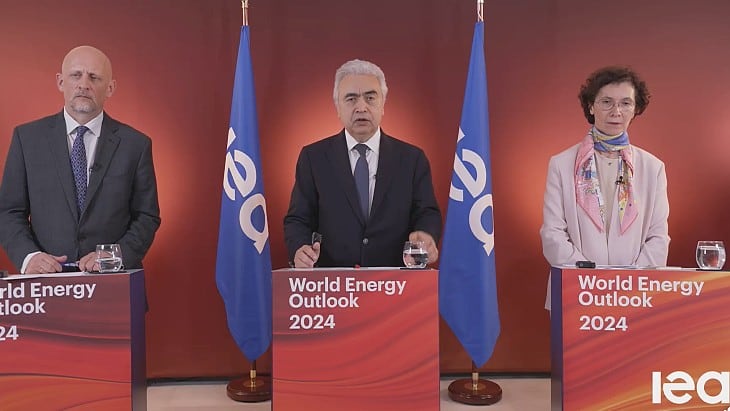
straitstimes.com+1.france24.com+1.wgnradio.com+1.The International Energy Agency said Thursday that the energy shock from the Iran war and the disruption of shipping through the Strait of Hormuz will reshape the global energy system for good. Its flagship World Energy Outlook 2026 finds that diversification, domestic energy and electrification are gaining ground. "I don't see any credible pathway for the energy world to return to the way it was before," Executive Director Fatih Birol said, according to AFP via The Straits Times.straitstimes.com
The report calls the crisis the "largest threat" to energy security in history. It traces back to US and Israeli strikes on Iran in February, followed by Iran's blockade of the strait, France 24 reported. Birol wrote that it "dwarfs the scale of the oil shocks of the 1970s".france24.com+1
Birol said electricity is set to be "closing in on 30% of final energy use" by 2035, up from 23% now, as countries try to rely less on imported fuel. Renewables, led by solar, and nuclear power are the "biggest beneficiaries" of the push for domestic energy, the Associated Press reported. The same security concerns are also strengthening the case for keeping coal as a backup, especially in Asia. China's electrification could rise from 32% last year to 43% by 2035, and demand for cooling is overtaking demand for heating for the first time.wgnradio.com+1
The report puts lost Gulf supply at 2.8 billion barrels of oil and 60 billion cubic meters of gas. In its middle scenario, oil demand peaks around 2030. In a "Low Hormuz" case, oil that needs to pass through the strait falls from 20 million barrels a day before the war to 8.5 million in 2030 and less than 2 million by 2035.africa.dailynewsegypt.com+2
The shift could squeeze exporters. Coal gets a short-term lift from the crisis but is declining by 2030 in every scenario. Australian Associated Press reported that Australia's coal exports could fall about 11% by 2035, while a gas glut could push prices down. If the conflict ends clearly, delayed LNG capacity could create a buyer's market for oil and gas. "Anyone contemplating further investments in LNG export infrastructure needs to take this fundamental shift seriously," said Maria Pastukhova of the think tank E3G.tradearabia.com+2
The report came out as the COP31 climate talks in Türkiye enter their final week. The host country is pushing to raise electricity's share of global energy use to 35% by 2035. Security concerns alone are not enough, the report warns, with warming of about 2.5°C by 2100 under stated policies. Rachel Cleetus of the Union of Concerned Scientists said the crisis "has irrevocably changed the global energy system".edgeconsultancykw.com+2