Newsletter Subscribe
Enter your email address below and subscribe to our newsletter
[forminator_form id="25163"]

All voices matter
donga+1sedailytweaktown+1A deepening global memory shortage driven by insatiable AI demand is forcing PC makers to downgrade products and seek alternative suppliers, opening the door for Chinese chipmaker ChangXin Memory Technologies to make inroads into Western supply chains.
The crisis hit home this week when Chinese mini PC maker AOOSTAR relaunched its flagship NEX395 workstation with half the memory and storage of its original configuration. The AMD Ryzen AI Max+ 395-powered machine, which debuted last year with 128 GB of LPDDR5X RAM and 2 TB of SSD storage, now ships with just 64 GB and 1 TB, according to a report sourced from Chinese tech outlet IT Home. The downgraded unit is priced at 12,999 yuan (roughly $1,926), compared to the original's 19,999 yuan — reflecting how the surging cost of components has made premium configurations untenable.wccftech
DRAM prices have surged dramatically in 2026, with LPDDR5X rising 89% in the second quarter alone and DDR4 climbing as much as 51%, according to TweakTown citing market research data. Analysts do not expect normalization before 2028. The global PC market is forecast to shrink by as much as 11% this year as memory costs squeeze both manufacturers and consumers.donga+1
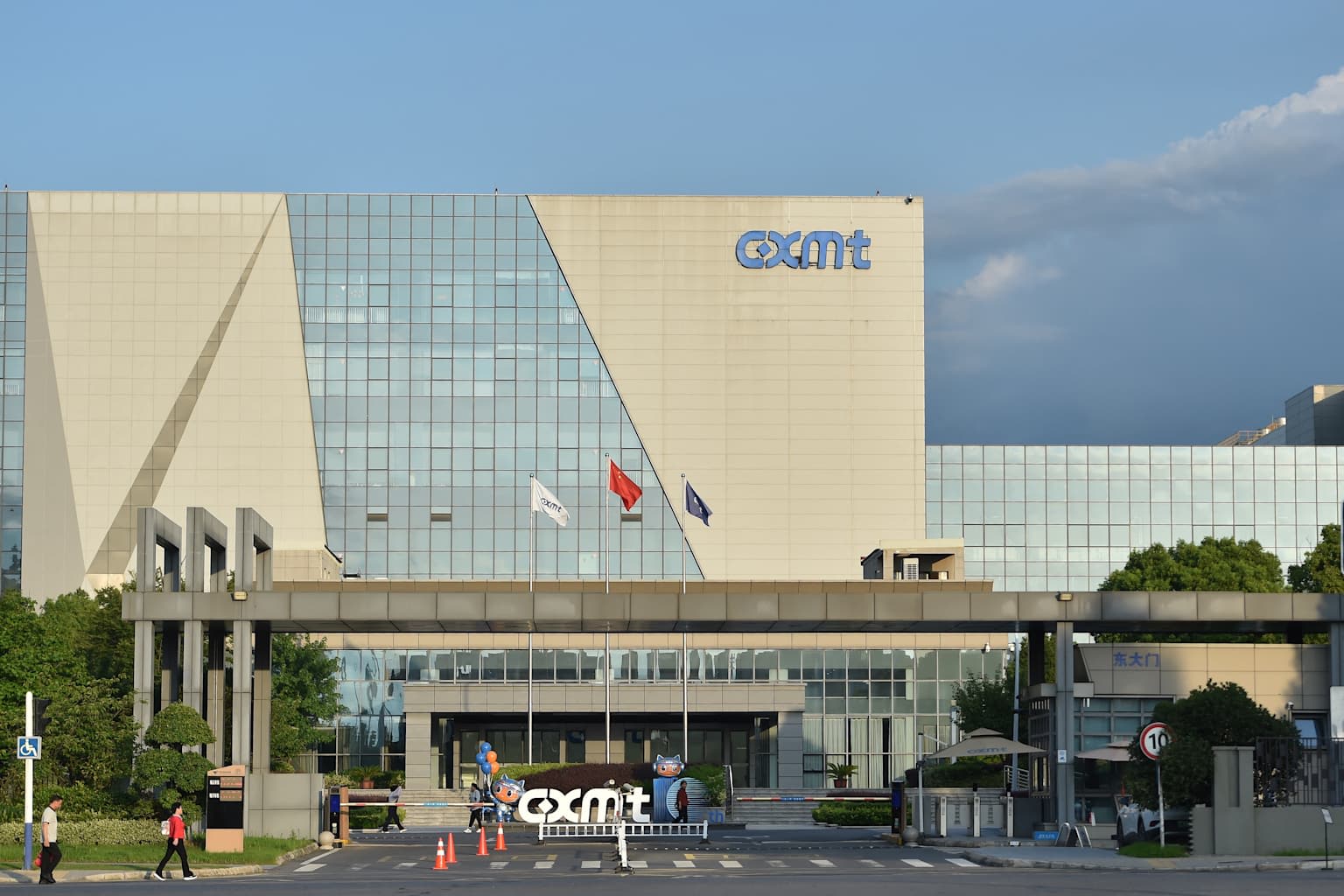
Into this gap steps CXMT, China's largest DRAM maker. The company's market share rose to approximately 7% in the second quarter of 2026, up from 4% a year earlier, according to the Seoul Economic Daily. HP , Asus ASUSTeK Computer Inc., and Acer have begun using CXMT chips in some laptop models, marking the company's first foray into major global PC supply chains.sedaily+1
CNBC reported in late July that CXMT is targeting HBM production by the end of 2026 and is expected to continue gaining global DRAM share. Tom's Hardware reported on August 4 that the company aims for 30% DRAM market share by 2030, with capacity on track to rival Micron by year's end.cnbc+1
The development has raised alarms in South Korea, where Samsung Electronics and SK hynix together still command the bulk of global DRAM production. SK hynix's market share fell from 39% to 26% year-over-year in the second quarter, per the Seoul Economic Daily's analysis. The Donga Ilbo warned that the supply crunch has given Chinese manufacturers "a rare window to expand into global markets" and noted that in conventional memory, China now trails South Korea by only about three years.donga+1
For consumers, relief remains distant. With AI infrastructure buildouts continuing to absorb available memory supply, the squeeze on mainstream PCs, laptops, and gaming hardware shows no sign of easing before 2028.unisystem+1