Newsletter Subscribe
Enter your email address below and subscribe to our newsletter
[forminator_form id="25163"]

All voices matter
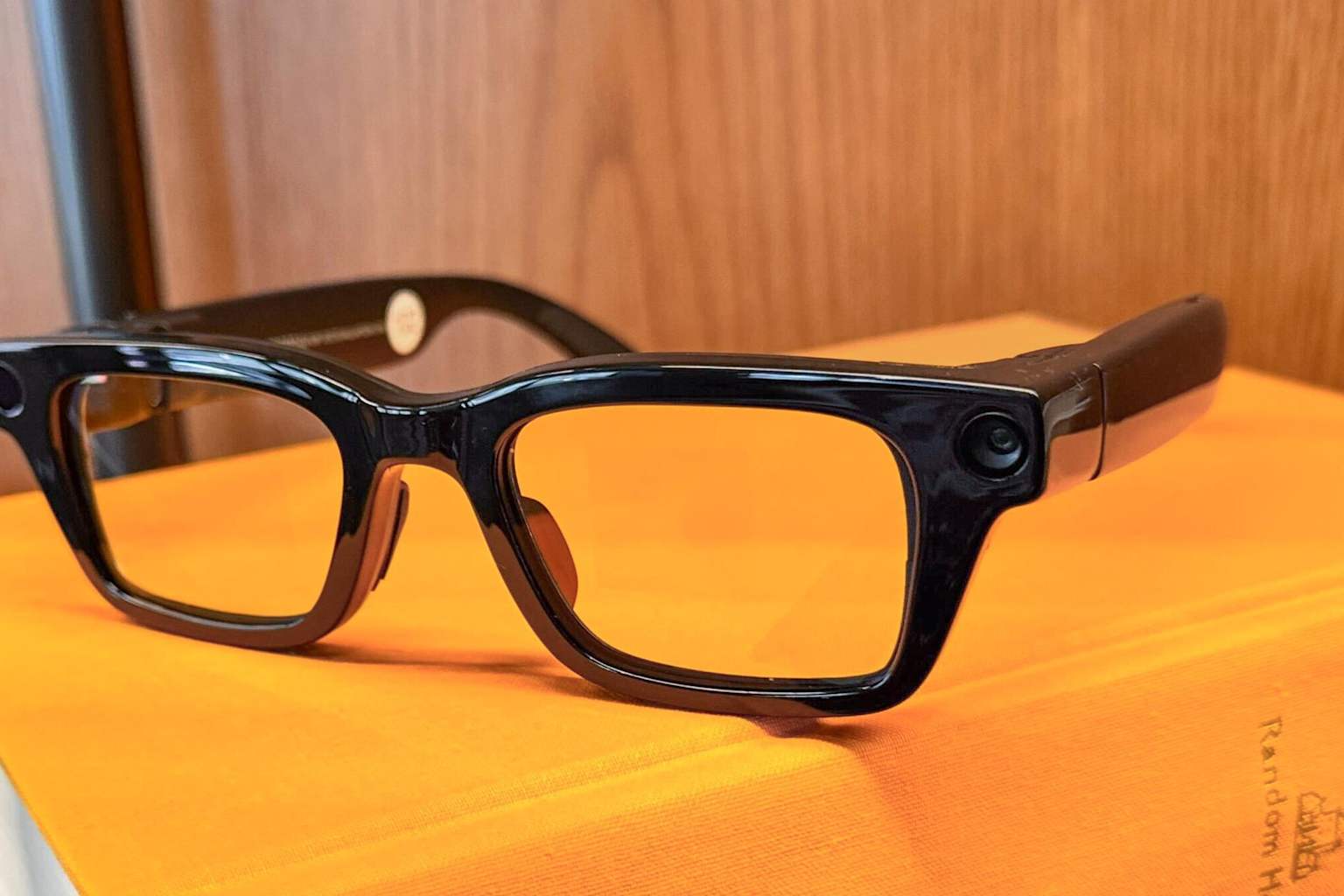
9to5google.com.wired.com.cnn.com+1.Google Alphabet Inc. described the privacy safeguards in its first Android XR Intelligent Eyewear on Thursday, Nov. 12, as preorders opened. The company is presenting the glasses as a more privacy-focused alternative to Meta's camera glasses, which drew public criticism after people used them to record others without consent. The frames were built with Samsung, Warby Parker and Gentle Monster. They go on sale Dec. 10, starting at $395 for Warby Parker designs and $449 for Gentle Monster's, CNN reported.cnn.com
Every pair has a power switch, so the glasses can be turned off and worn as regular eyewear. A recording light comes on when the glasses take a photo or video, and video clips are capped at 90 seconds for privacy reasons, according to WIRED. If the light is covered or tampered with, the glasses block photos and video. Recording also stops when the wearer takes the glasses off, 9to5Google reported.wired.com+1
When users ask Gemini about what the camera sees, such as translating a menu, Google says those visuals are not saved in Gemini History and are not used for AI training or ad targeting. Before Gemini processes the images, faces of people in the background are blurred, WIRED reported. That blurring does not apply to photos and videos the user saves on purpose, CNN noted. Third-party apps need permission to use the camera. Google Play will also ban apps that use it for real-time face recognition or social livestreaming. Users need an account for someone 18 or older and must agree not to record people without their permission.cnn.com+1
"These are, honestly, not hard technical problems. They're decisions," Juston Payne, Google's senior director of product management for XR, told WIRED.wired.com
Payne told CNN that Google is researching new ways to let people know when glasses are nearby, as well as possible location-based privacy features. Both efforts are still at an early research stage and have no release timeline. He warned that just notifying bystanders could leave them wondering, "What should I do now?" Shahram Izadi, who leads Google's smart glasses work, told CNN the company has no plans to add facial recognition.cnn.com
Privacy advocates say a small light is not enough. "People find ways around it. There's no actual aspect of consent," Reem Suleiman of Fight for the Future told WIRED. Other critics point out that Gemini conversations are still covered by Google's general data retention rules, which keep activity for 18 months by default, Tech Times reported.techtimes.com+1
"Ambiguity is not your friend here," Payne said. "I think that a lot of that concern came from some trust being broken."