Newsletter Subscribe
Enter your email address below and subscribe to our newsletter
[forminator_form id="25163"]

All voices matter
news.rthk+1news.rthk+1inklStock markets across the globe retreated on Tuesday as investors grew uneasy over fading prospects for a diplomatic resolution to the US-Iran conflict, pushing oil prices higher and clouding the economic outlook from New York to Hong Kong to Karachi.
The selloff deepened after US President Donald Trump responded to Iran's conditions for a peace deal with demands that Iran pay compensation for deaths in wars, attacks, and protests — a rhetorical escalation likely to complicate efforts to reopen the Strait of Hormuz. Brent crude climbed more than two percent to over one-week highs as hopes for a near-term agreement diminished, piling pressure on energy-importing economies.news.rthk+1
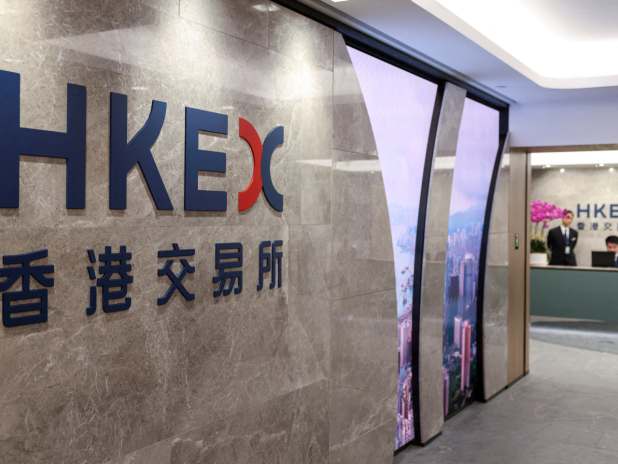
US equities declined for a second consecutive session, with investors also bracing for Wednesday's inflation data and its implications for interest rates. In Hong Kong, the Hang Seng Index fell 284 points, or 1.1 percent, to 25,652, while the Shanghai Composite dropped 0.82 percent to snap a five-session winning streak. Material and non-ferrous metal stocks led declines in both markets.wsj+1
Pakistan's KSE-100 extended losses for a second straight session, dropping 1,464 points, or 0.81 percent, to close at 179,846.68 — falling below the 180,000 mark. The selling was broad-based, with cement, fertiliser, and oil and gas sectors under pressure as rising energy costs revived concerns over margins and inflation.tribune
"Bearish momentum dominated trading floors, primarily driven by fading hopes of a US-Iran diplomatic resolution," JS Global analyst Muhammad Hasan Ather wrote, adding that institutional profit-taking at higher levels further weighed on sentiment.tribune
Not all markets followed the downward trajectory. South Korea's Kospi rose for a second straight day, gaining 0.62 percent as Samsung Electronics climbed 3.59 percent on strong export data showing a 45.3 percent jump in the first ten days of August. Singapore's Straits Times Index hit a record high after the government raised its 2026 growth forecast to 4.5-5.5 percent, citing an AI-powered investment boom.economictimes+1
With volatility expected to persist, market direction remains closely tied to developments on the geopolitical front. "It is expected that the KSE-100 will remain volatile but broadly range bound, with geopolitical developments likely dictating the next major move," said Ali Najib, deputy head of trading at Arif Habib Limited.tribune