Newsletter Subscribe
Enter your email address below and subscribe to our newsletter
[forminator_form id="25163"]

All voices matter
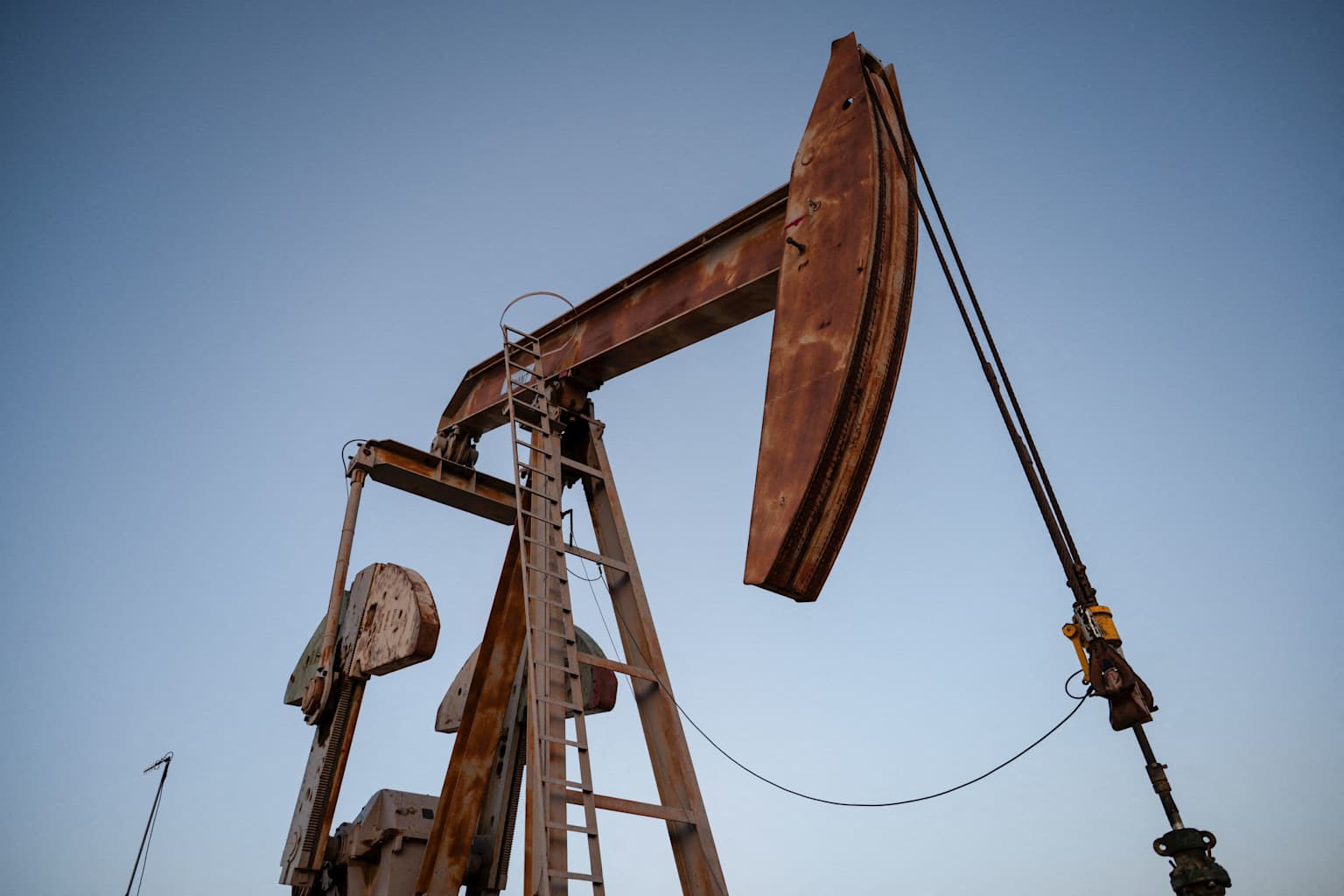
reutersreuters+1reutersCrude oil has returned to levels last seen before the United States and Iran went to war in late February, erasing a rally that pushed Brent above $126 a barrel in April. The drop followed the June 17 memorandum of understanding between Washington and Tehran that called for the immediate reopening of the Strait of Hormuz, and it accelerated this week after OPEC+ agreed to boost production quotas once more.
On Monday, Brent crude futures traded near $72 a barrel while West Texas Intermediate hovered around $68.60, according to Reuters Thomson Reuters Corporation . The prices are roughly 43% below the wartime peaks reached in late April, when the closure of the Strait of Hormuz — a chokepoint handling about 20% of global petroleum traffic — had sent markets scrambling for available barrels.reuters+1
The interim agreement signed on June 17 by President Trump and Iranian leaders mandated an "immediate and permanent" cessation of military operations and opened the strait to commercial shipping at no charge for 60 days. Since then, tanker traffic through the waterway has been recovering steadily, flooding a market that had been acutely short of supply.reuters+3
OPEC+ announced Sunday that seven member countries — Saudi Arabia, Russia, Iraq, Kuwait, Kazakhstan, Algeria, and Oman — would increase production by 188,000 barrels per day in August, the fifth consecutive monthly increase. The Associated Press reported that the decision came as Gulf producers continue recovering from disruptions caused by the conflict.nytimes+1
Meanwhile, U.S. crude output hit a record 13.93 million barrels per day in April, according to the Energy Information Administration. The combination of rising OPEC+ supply, returning Iranian exports, and record American production has flipped the Brent futures curve into contango for the first time this year — with front-month contracts trading below those for delivery six months out — a signal that the market now has more oil than it needs in the near term.oilprice+3
CNN reported that JPMorgan has said oil at $60 per barrel "is in play" as a surplus builds. Demand growth has turned negative this year, with analysts citing the economic drag from the conflict and ongoing trade tensions. The Brent-WTI spread has narrowed to around $3.50, reflecting "plain freight-and-quality territory rather than anything resembling a risk premium," according to market commentary.cnn+2
OPEC+ said it would review market conditions monthly, with its next meeting scheduled for August 2.nytimes