Newsletter Subscribe
Enter your email address below and subscribe to our newsletter
[forminator_form id="25163"]

All voices matter

finance.yahoo+1nytimes+1cbsnews+1Government bond markets around the world are enduring their most severe selloff in nearly two decades as surging oil prices reignite inflation fears, pushing average yields on the Bloomberg Global Treasury Index to 3.68% — the highest since the 2008 financial crisis — just days before rate decisions from three major central banks.cryptorank+1
The broad rout has left the index on track for its largest monthly decline since March, with bond volatility climbing as investors confront the prospect that the US-Iran conflict could keep energy costs elevated far longer than anticipated.finance.yahoo+1
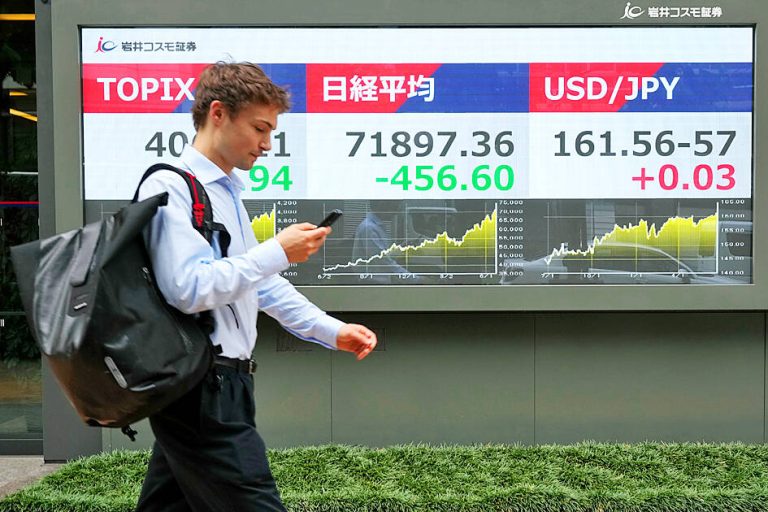
US 30-year Treasury yields have surged nearly 60 basis points since the Iran conflict escalated, trading near their highest level since 2007. Germany's 10-year Bund yield climbed to 3.20%, a level not seen since May 2011, according to TradingView data published July 23. UK gilt yields have logged their longest streak of daily closes above 5% in almost two decades. In Japan, the 40-year yield breached 4% on July 24, according to Trading Economics, extending a historic climb that began earlier this year.finance.yahoo+6
The ICE BofA MOVE Index, a measure of US Treasury market volatility, rose to a two-month high as the 10-year yield reached fresh peaks.home
The catalyst has been crude oil's return above $100 a barrel. Brent crude topped $101 on July 24 before settling back slightly, as Iran dismissed a US cease-fire proposal and attacks on Red Sea shipping by Iran-aligned Houthi militants disrupted tanker traffic, according to The New York Times. The Economist reported on July 26 that Brent crude has risen roughly 35% since the conflict's latest escalation in early July.nytimes+1
The oil shock has revived inflation concerns that many investors believed were fading. CBS News reported that futures markets now price a 38% chance the Federal Reserve will raise rates at its July 29 meeting, up from 12% a week earlier, though the consensus expectation remains a hold at 3.5% to 3.75%.cbsnews
The Federal Reserve announces its decision on Wednesday, July 29, followed by the Bank of England on July 30 and the Bank of Japan on July 31. The Bank of England's current rate stands at 3.75%, while the BOJ raised to 1% in June — its highest in 30 years.bankofengland+3
"While a July rate hike remains highly unlikely, the September FOMC meeting could become the first meaningful test of whether the recent improvement in inflation proves durable," Gregory Daco, chief economist at EY-Parthenon, said in a note cited by CBS News.cbsnews