Newsletter Subscribe
Enter your email address below and subscribe to our newsletter
[forminator_form id="25163"]

All voices matter
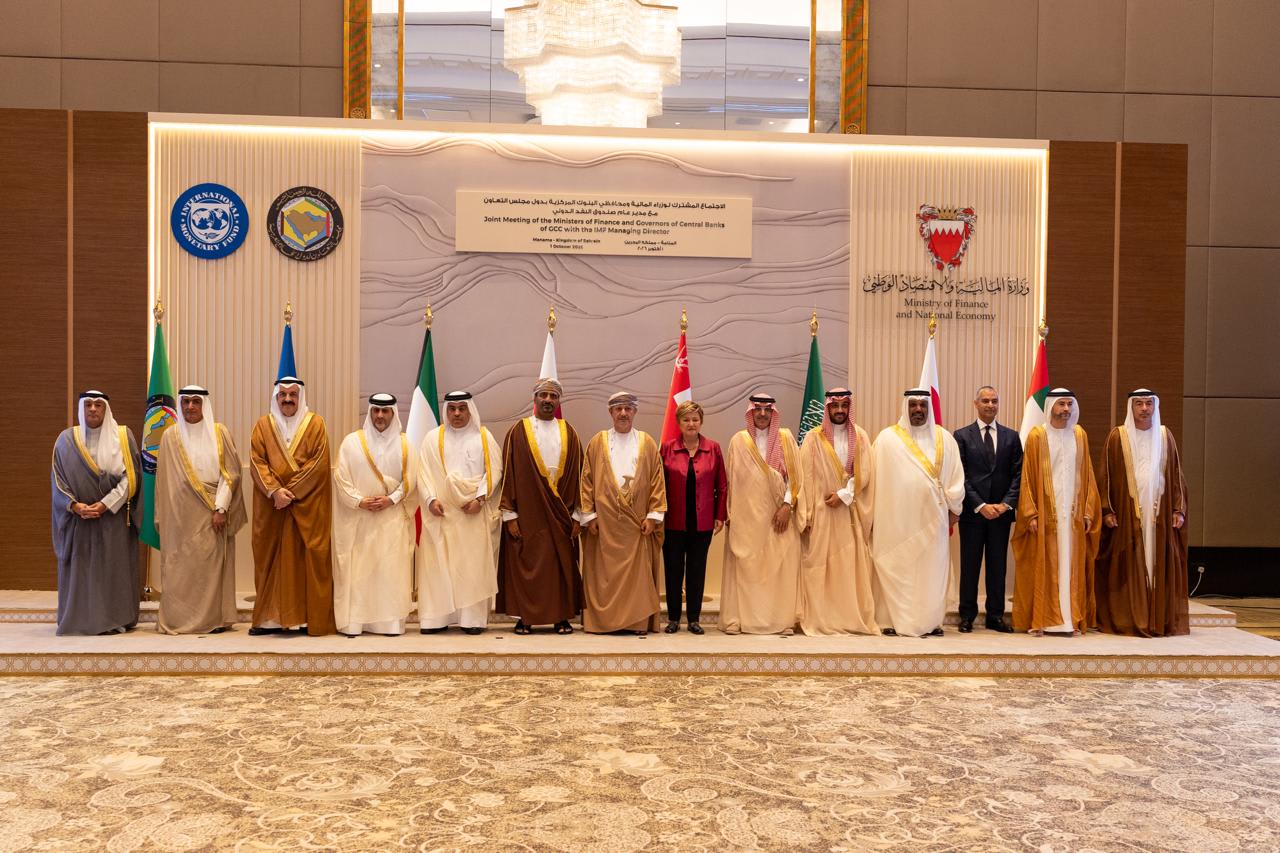
imf.imf.gcc-sg.International Monetary Fund Managing Director Kristalina Georgieva met Gulf Cooperation Council finance ministers and central bank governors in Manama on Thursday, October 1. She praised the bloc's response to the war in the Middle East but warned that the conflict has reversed the region's growth. The IMF now expects the GCC economy to contract in 2026, with a strong recovery projected for 2027 if shipping gradually returns to normal.imf
Bahrain's Minister of Finance and National Economy, Shaikh Salman bin Khalifa Al Khalifa, chaired the joint meeting as head of the current session. Georgieva said in prepared remarks that the talks would feed into the IMF's Annual Meetings in Bangkok, which take place in two weeks.gcc-sg+1
"Seven months into the war in the region, the energy supply shock has been contained—in no small part thanks to your decisive response," Georgieva told the officials. She credited Gulf states with quickly moving critical supplies away from the Strait of Hormuz. "You proved that resilience is no accident—it is the dividend of reforms you have championed," she said. She cited ample fiscal buffers, currency pegs that held steady and well-capitalized banks.imf
She also said the near closure of Hormuz, disruptions in the Red Sea and damage to energy facilities had sharply cut oil and gas exports. Weaker trade and business confidence have also held back the non-oil economy. Georgieva called for any fiscal support to be "temporary, targeted, and transparent." She said IMF analysis shows that completing the GCC Railway and the Saudi Landbridge would substantially reduce economic losses from a Hormuz closure.imf
Before the meeting, Georgieva posted on X that the GCC "has demonstrated impressive macro-financial resilience" at "a challenging time for the region".x
GCC Secretary-General Jasem Albudaiwi said the IMF had commended the bloc's ability to keep growth going despite heightened global uncertainty. He said the top regional priority is protecting fiscal stability while keeping policy flexible enough to handle geopolitical headwinds and disruptions to trade routes. He also called for faster regional integration and resilient trade corridors.spa+1
According to the Qatar News Agency, Qatar's Finance Minister Ali bin Ahmed Al Kuwari said current challenges should push the region toward greater integration. He also welcomed the IMF's work assessing how the conflict is affecting Gulf economies. Separately, Shaikh Salman met Georgieva bilaterally to discuss geopolitical challenges facing the region's economies. Central Bank of Bahrain Governor Khalid Humaidan also attended that meeting.gdnonline+1
Georgieva said uncertainty remains high and that the outlook depends on how long the conflict lasts, how severe it is and how far it spreads. "More persistent or severe disruptions could delay the recovery, test investor sentiment, and make diversification and job creation harder," she said.imf