Newsletter Subscribe
Enter your email address below and subscribe to our newsletter

All voices matter
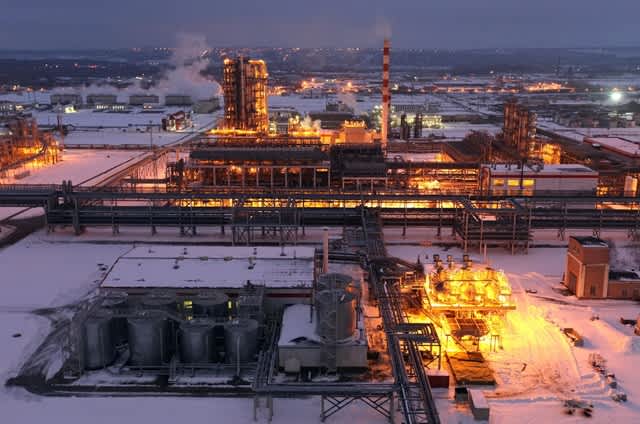
reuters+1boereport+2indexbox+1Gasoline, diesel, and jet fuel prices are climbing sharply in the United States and globally even as crude oil benchmarks retreat, a divergence driven by record refining margins, depleted fuel inventories, and a cascade of refinery disruptions stretching from Michigan to Russia.
The US 3-2-1 crack spread — a key measure of refinery profitability — hit a record $64.58 per barrel on July 8, according to industry data, while the gasoline refining spread reached $58.09 per barrel on July 6. The widening gap between crude oil and refined product prices reflects a market where refineries cannot keep pace with demand for finished fuels even as the raw material softens. Brent crude settled at $76.30 a barrel on July 9, down from recent highs, while WTI crude fell to $72.08. Crude had dropped more than 20% in June before bouncing in early July amid renewed Middle East tensions.indexbox+3
The Energy Information Administration reported on July 8 that US distillate stockpiles — which include diesel and heating oil — fell by 5 million barrels in the week ending July 3 to 103.6 million barrels, well below the five-year seasonal average. The drawdown far exceeded analysts' expectations for a modest build.hydrocarbonprocessing+1
Marathon Petroleum's Detroit refinery suffered a power outage on July 6 that triggered a flaring event and forced the shutdown of process units, according to the Detroit Free Press. While power was restored and the facility began restarting, the disruption removed barrels from an already tight market during peak summer driving season.freep
Delta Air Lines's Monroe Energy subsidiary shut down both of its 100,000-barrel-per-day crude distillation units at the Trainer, Pennsylvania refinery in mid-June due to an internal leak, halting production of jet fuel, gasoline, and diesel.inquirer
Russia banned all diesel exports effective July 8 through July 31 after a sustained Ukrainian drone campaign crippled close to a quarter of the country's refining capacity, according to Reuters. Deputy Prime Minister Alexander Novak announced the measure in a televised meeting, adding that Russia would begin importing fuel — with the first petrol cargoes already leaving India's Nayara refinery.europeanbusinessmagazine+1
The ban removes an estimated 583,000 barrels per day from global markets. European diesel margins surged to a record $60.17 per barrel in the immediate aftermath. Only shipments under pre-existing intergovernmental agreements, such as a supply deal with Mongolia, are exempt.reuters+2
The convergence of domestic refinery outages, historically thin inventories, and Russia's forced withdrawal from export markets has created what analysts describe as one of the tightest refined product markets in years — even as crude oil itself remains relatively abundant.