Newsletter Subscribe
Enter your email address below and subscribe to our newsletter
[forminator_form id="25163"]

All voices matter
thenationalnews+1www+1thenationalnewsEuropean governments are deploying billions of euros in emergency relief measures to shield households from soaring energy prices driven by the ongoing conflict in the Middle East and the blockade of the Strait of Hormuz. From fuel tax cuts in Germany to VAT reductions in the United Kingdom, the interventions reflect growing political urgency as winter approaches — but critics warn they amount to short-term fixes that leave the continent exposed to the next crisis.
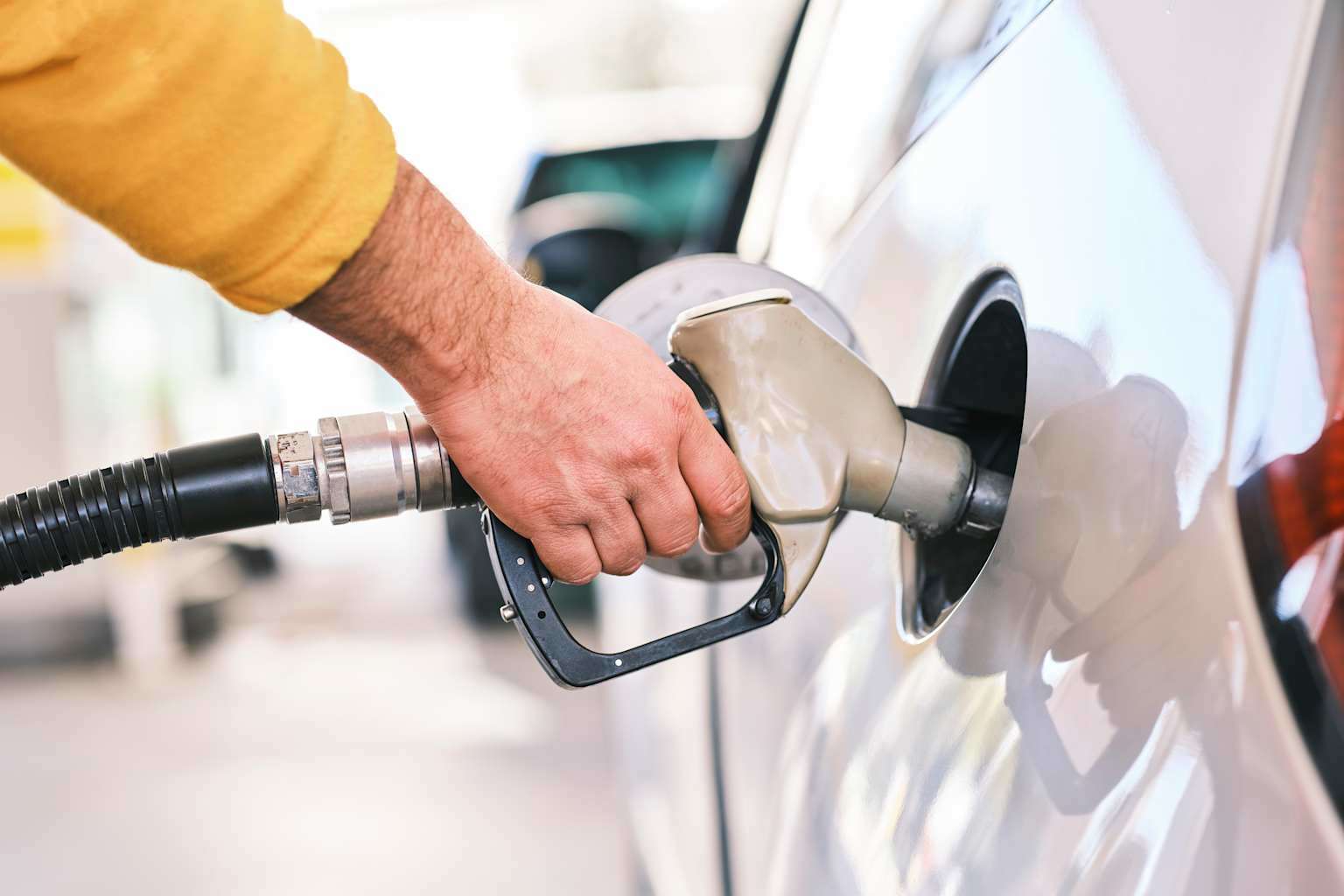
Germany announced on September 18 that it would cut taxes on petrol and diesel by €0.17 per litre, a measure combining a €0.14 reduction in the energy tax with an additional €0.03 saved through lower VAT receipts. The cut takes effect on October 1 and runs through the end of the year, at a total cost of €2.5 billion. Chancellor Friedrich Merz framed the relief as essential: "Anyone who relies on their car every day is reaching their breaking point". The German government also said it would hold talks with the oil industry to introduce a fuel price cap, modelled on systems in Luxembourg or Belgium, by January 2027.thenationalnews+2
France, meanwhile, extended its targeted fuel subsidies at a cost of €450 million, bringing total fuel subsidy spending this year to €1.4 billion. Economy and Finance Minister Roland Lescure said the package responded to "concerns of the French people, which sometimes take the form of anger".thenationalnews
The UK government confirmed that VAT on household electricity bills will be cut from 5 per cent to zero from October 1 through March 2027, saving a typical household around £45 a year. The measure was funded in part by cancelling the planned digital ID programme. However, British electricity prices have risen 147 per cent since 2010, and critics note the VAT cut "inefficiently encourages households to consume more energy".www+2
In Spain, three million households on the regulated gas tariff face an additional annual cost of roughly €310 from October, as gas prices remain about 170 per cent above their January 2026 levels. Electricity under Spain's regulated tariff has reached 156 euros per megawatt-hour, the highest since October 2022.surinenglish
In Ireland, opposition parties used the return of the Dáil on Wednesday to demand a windfall tax on energy company profits. Social Democrats TD Cian O'Callaghan said companies including ESB, which reported profits of €636 million, should "pay their fair share," estimating a windfall levy could raise at least €450 million for household energy credits. In the chamber, Aontú leader Peadar Tóibín highlighted the case of an 89-year-old woman who paid €860 for less than half a tank of home heating oil.dublinpeople+1
Renewable energy advocates argue that the patchwork of subsidies fails to address structural vulnerability. "Lasting affordability comes from fixing the underlying market structures that continue to leave households vulnerable to events taking place thousands of miles away," said Nigel Pocklington, chief executive of Good Energy. European governments have now committed more than €11.8 billion in fiscal measures to cushion the impact of the energy shock, with Germany's gas reserves at their lowest in 15 years heading into winter.bruegel+1