Newsletter Subscribe
Enter your email address below and subscribe to our newsletter
[forminator_form id="25163"]

All voices matter
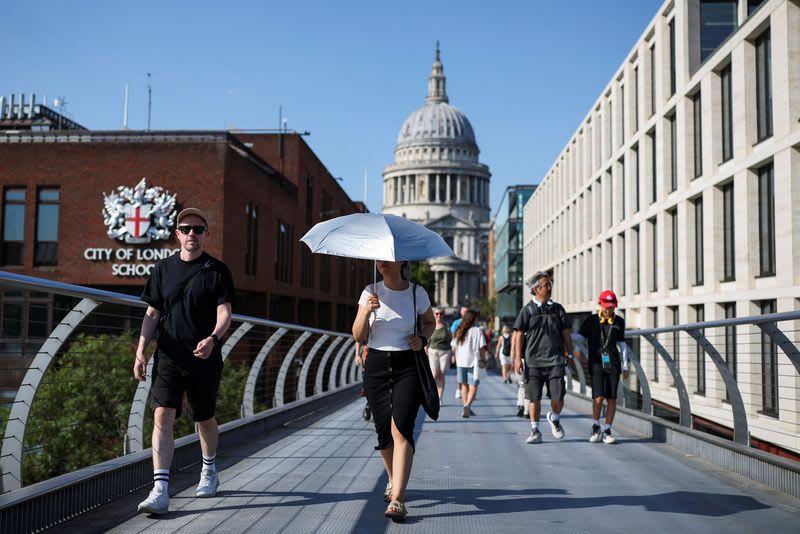
reuters+1reutersbusinesstimes+1Europe's intensifying heatwaves stripped an estimated €43 billion ($50 billion) from economic output last summer while triggering only about €500 million in insurance payouts, according to estimates published by Moody's , exposing a vast and growing protection gap that leaves businesses to absorb the bulk of climate-driven losses on their own.reuters+1
As the continent endures its fifth heatwave of 2026, the disparity between economic damage and insured coverage has become a pressing concern for companies across sectors — from Italian cafés watching their terraces empty to manufacturers grappling with rising cooling costs.
In Padua, Italy, the traditional early-evening aperitivo has all but disappeared during peak heat. Federica Luni, president of the APPE Padova hospitality association, said customers are increasingly seeking air-conditioned venues, leaving outdoor seating "unused and empty."mezha+1
A survey of roughly 600 hospitality businesses in Padua and its province found more than 80 percent reported turnover declines of around 20 percent during the recent heatwave. "A 20 per cent decline wipes out your margin," Luni told Reuters.businesstimes+1
The effects extend well beyond hospitality. Swedish retail equipment supplier ITAB Group, Italian cement producer Buzzi , and French payments company Worldline have flagged heat-related impacts on their second-quarter results.reuters+1
Traditional business interruption policies typically require physical property damage to trigger a claim — a condition extreme heat rarely meets. "Heat in itself is not a traditionally insured risk," said Swenja Surminski, managing director for climate and sustainability at Marsh . "Extreme heat rarely causes catastrophic physical damage the way a flood or a storm does, but the financial operational disruption that it triggers can be just as severe."businesstimes+1
A 2023 survey of 9,000 small and medium-sized firms for Europe's insurance regulator found just 28 percent held business interruption cover as part of their property insurance. Europe is warming faster than other continents; Reuters Climate Monitor showed the average temperature across Western Europe was nearly 10 degrees Celsius above the 1961–1990 average on August 11.reuters+1
Insurers are increasingly exploring parametric policies that pay out automatically when temperatures exceed predefined thresholds, bypassing lengthy loss-adjustment processes. The European parametric insurance market is expected to reach $7.93 billion by 2031, growing at a compound annual rate of 9.5 percent between 2025 and 2032, according to KBV Research.businesstimes+1
"Parametric insurance can really play a role," said Aidan Kerr, head of UK and Ireland public sector solutions at Swiss Re .businesstimes
Still, insurance alone cannot eliminate the economic toll. Surminski urged businesses to prioritize adaptation — investing in cooling, redesigning workplaces, and stress-testing supply chains. "Take action to avoid the losses," she said, "rather than address them once they've occurred."businesstimes