


Newsletter Subscribe
Enter your email address below and subscribe to our newsletter
[forminator_form id="25163"]

All voices matter
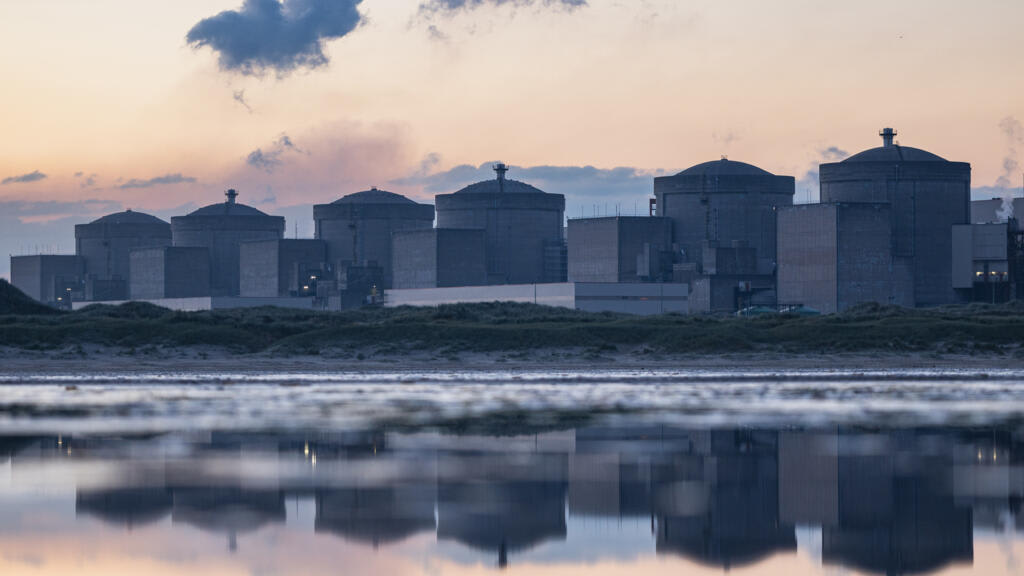
qatar-tribuneqatar-tribune+1qatar-tribuneSuccessive heatwaves are battering Europe's economy this summer, forcing nuclear power plants offline, choking river transport on the Rhine, and driving energy prices sharply higher across a continent already strained by US tariffs, Chinese competition, and the Iran war.
Europe's fifth heatwave of the year has swept across Britain, France, Spain, and Italy, following what the EU's Copernicus climate monitor confirmed were the hottest June and July on record for Western Europe. The economic toll could reach €180 billion ($208 billion) this year — roughly 1% of GDP and equivalent to the EU's entire expected economic growth — according to an estimate by Netherlands-based Triodos Bank. "Lower labour productivity is likely to have the largest economic impact, alongside disruptions to agriculture, energy and transport," the bank said in a report this month.qatar-tribune+1
In Paris, extreme heat prompted the Eiffel Tower and the Louvre to close early on some days. In England, Rookery Farm has resorted to harvesting crops at 3 a.m. to preserve moisture content.qatar-tribune
Romania's state-owned Nuclearelectrica began disconnecting its sole operational reactor from the grid due to record-low Danube water levels, with the country declaring a state of energy emergency throughout August. Hungary's Paks nuclear plant cut output by 90%, generating roughly 230 MW from an installed capacity of 2,000 MW, before gradually increasing production again as Danube levels recovered. Romania's Cernavodă reduced output by half, while Slovenia's Krško cut generation by a fifth.oenergetice+2
The curtailments drove electricity prices on Southeast European exchanges up by 50 to 100% compared with previous weeks, with a peak of €717 per MWh reached on August 3 on Slovenia's BSP SouthPool exchange.oenergetice
In Germany, record-low water levels on the Rhine — a critical transport artery for steel and chemicals — could shave 0.3 percentage points off GDP growth this year, according to ING economists. BASF, the chemicals giant, said it may be unable to fulfil some orders because restricted Rhine navigation has cut off key raw materials, forcing it to shift volumes to trucks and rail.qatar-tribune
Natural gas benchmark futures have traded near their highest levels since the start of the Iran war, almost double the price from the same period in 2025. EU gas storage stood at just 59% full as of last week — the lowest for this point in the year in over a decade — while the Strait of Hormuz remains effectively shut, choking off a fifth of global LNG supply. "Europe should be really worried about a situation where the Strait of Hormuz doesn't open because this could certainly result in prices being extremely high," said Massimo Di Odoardo, vice president of gas and LNG research at Wood Mackenzie.gdnonline+1


