Newsletter Subscribe
Enter your email address below and subscribe to our newsletter
[forminator_form id="25163"]

All voices matter
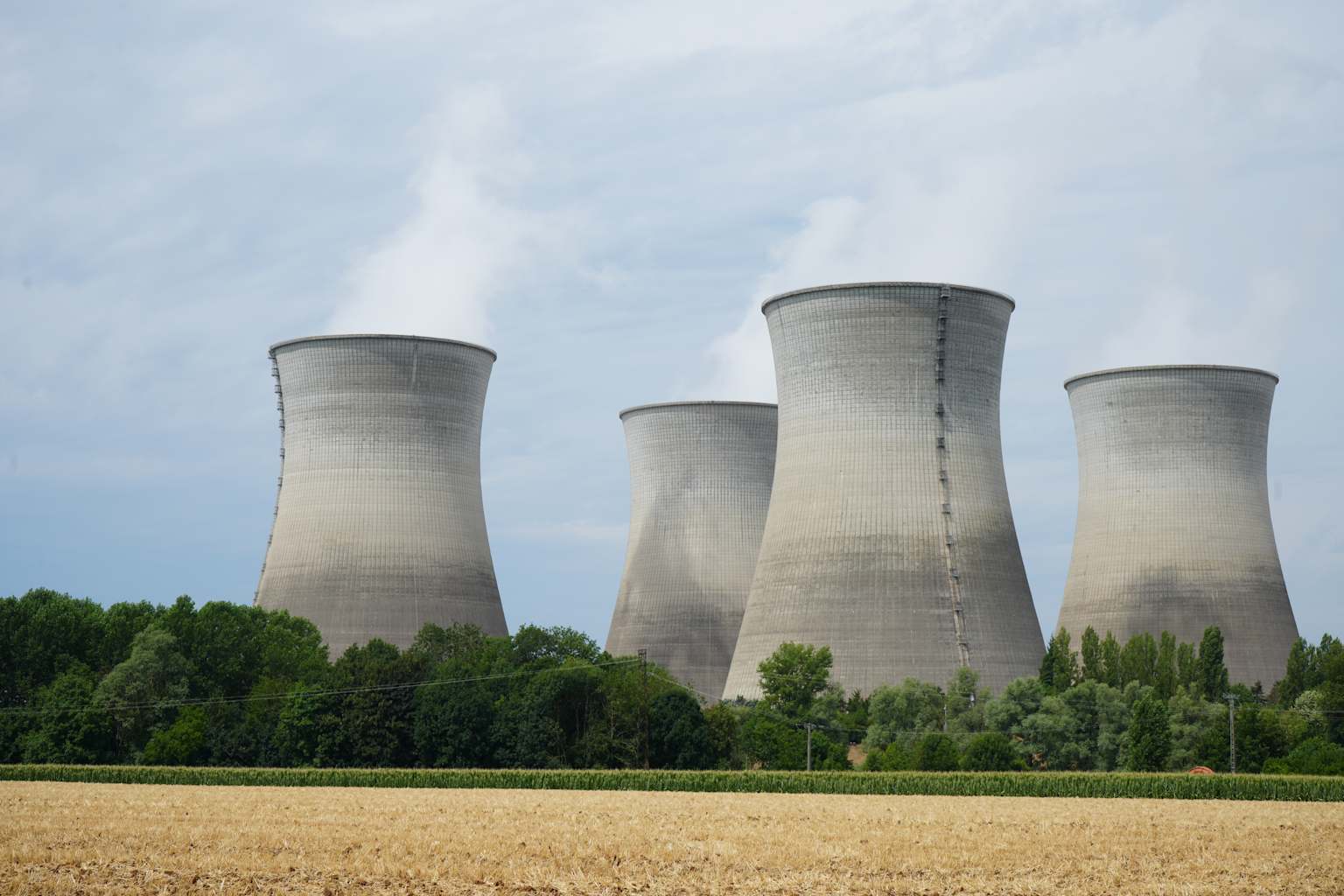
933thedrivebbc933thedrive+1Europe's fifth heatwave of the summer has forced France to take roughly 15% of its nuclear fleet offline, sending electricity prices sharply higher across the continent and exposing the growing vulnerability of thermal power generation to climate change.
Total nuclear curtailments were expected to reach 9.4 gigawatts at their peak on Friday across nine reactors, with six fully offline, according to EDF data reported by Reuters. The outages brought nuclear availability to its lowest level since August 2023, according to LSEG Power Research. With 80 departments under an orange heat alert on Thursday, reactors at Chooz, Cattenom, Bugey, Saint-Alban, and Golfech were shut down, while two units at Tricastin reduced output.lemonde+1
The French day-ahead contract for Friday rose to €154.50 per megawatt-hour, the highest since June 23. Limited wind output in Germany compounded the pressure, with wholesale prices rising more than 20% across major European markets. The supply crunch rippled across borders, forcing countries including Britain and Germany to activate coal and gas plants to compensate for reduced French nuclear exports.933thedrive+1
Even with diminished output, France remained a net electricity exporter, though average scheduled net exports for August fell to around 9.5 GW — approximately 20% lower than in July, according to LSEG analyst Nathalie Gerl.933thedrive
The heat's toll extended well beyond France. Romania shut down both reactors at its sole nuclear plant, Cernavodă, after the Danube dropped to its lowest levels in three decades. Plant director Romeo Urjan told AFP that a restart was not expected within ten days. In Hungary, the Paks plant operated only partially as the Danube's levels left suction nozzles unable to reach water.bbc
Amid the supply squeeze, solar power emerged as the only major generation source performing above normal. According to a new analysis by the energy think tank Ember, solar supplied a record 25% of EU electricity in both June and July, with average daily output rising 17% in France and Hungary during heatwave days. EU solar generation hit 52 TWh in June and 55 TWh in July — both all-time records.taiyangnews+2
The gains from solar, however, drop off sharply after sunset, precisely when cooling demand remains elevated. Ember's senior energy analyst Chris Rosslowe warned that "the real challenge starts after sundown" and called battery storage "one of the clearest ways to make Europe's power system more resilient in hotter summers".news.inbox+1
EDF said it plans to invest nearly €9 billion over 15 years to make its facilities more climate-resilient, but acknowledged the summer has already dented its outlook — at the end of July, the company forecast a roughly 10% decline in full-year EBITDA, partly due to heatwave losses on nuclear and hydropower output.lemonde