Newsletter Subscribe
Enter your email address below and subscribe to our newsletter
[forminator_form id="25163"]

All voices matter
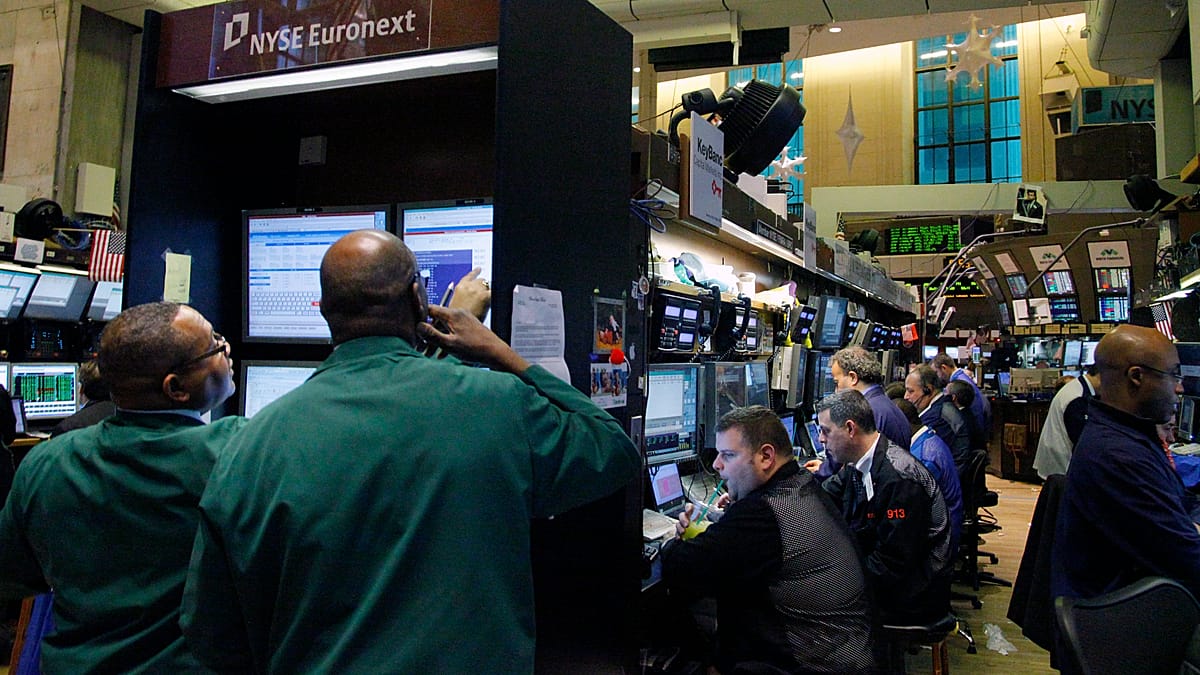
bloombergtradersuniontradersunionEuropean equity markets closed the week on a high note Friday, capping their strongest weekly performance since late June as a sharply disappointing U.S. employment report reshaped expectations for Federal Reserve monetary policy.
The Stoxx Europe 600 advanced 1.7% for the week, rising for a fourth consecutive week as technology and healthcare stocks outperformed. Friday's session saw European markets close higher, supported by corporate earnings and a weak U.S. jobs report that boosted sentiment around the prospect of a Fed pause on rate increases.bloomberg+1
The July nonfarm payrolls report showed a loss of 23,000 jobs, a stark miss against consensus expectations for a gain of roughly 83,000. Traders responded by cutting the probability of a September rate hike to 44%, down from 55% a day earlier.tradersunion
Adam Crisafulli, founder of Vital Knowledge, called the report "quite dreadful" but noted the immediate market impact was dovish, as lower Treasury yields supported risk assets globally. Lindsay Rosner of Goldman Sachs The Goldman Sachs Group, Inc. Asset Management said the slowdown in job growth "supports the case for maintaining rates in September," though inflation data would remain critical.tradersunion
The weekly rally was not driven solely by the jobs data. A stronger-than-expected European earnings season and growing merger activity also lifted regional benchmarks to fresh records. The STOXX 600 had already closed at a record high earlier in the week, fueled by technology gains.reuters+2
Healthcare stocks led Friday's advance, while the energy sector lagged amid elevated oil prices tied to Middle East tensions.bloomberg+1
Despite the relief rally, some analysts cautioned against complacency. Jerry Tempelman of Mutual of America Capital Management noted that moderating inflation is "partially countered by ongoing energy costs tied to persistent tensions in the Middle East," while tariff-related expenses continue to weigh on lower-income households. Saira Malik of Nuveen said the labor market "is no longer thriving," diminishing the Fed's rationale for further tightening.tradersunion
Jeff Schulze of ClearBridge Investments pointed to a 50,000 drop in local government education jobs as a seasonal factor likely to reverse in the fall, suggesting the underlying employment picture may be less bleak than the headline figure implies.tradersunion