Newsletter Subscribe
Enter your email address below and subscribe to our newsletter
[forminator_form id="25163"]

All voices matter
tradingeconomics+1france24+1eadailyEuropean natural gas prices surged on Monday, with the Dutch TTF front-month contract rising to 59.83 EUR/MWh — up more than 4% from the previous session and 42.83% over the past month — as renewed U.S.-Iran hostilities reignited fears over supplies flowing through the Strait of Hormuz. The price reached its highest point since March, when the onset of the Iran conflict first sent European energy markets into turmoil.tacto+2
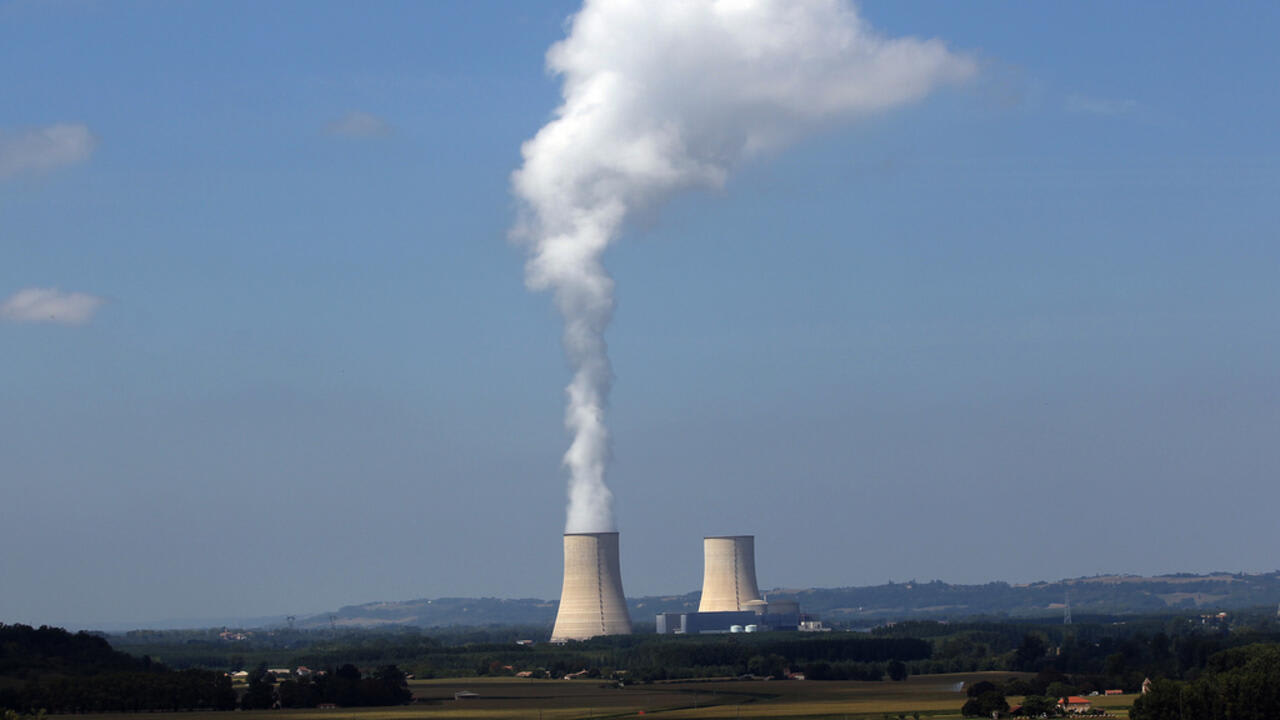
The price spike arrives as Europe grapples with multiple converging pressures on its energy system. A massive heat dome has locked over western and central Europe for weeks, pushing temperatures 10 to 15°C above historical norms across France, Spain, and Germany. The extreme heat has forced Électricité de France to shut down three nuclear reactors and curtail output at several others after river temperatures exceeded regulatory cooling limits at plants along the Garonne, Rhône, and Meuse rivers.severe-weather+2
Simultaneously, the Rhine — Europe's most important inland waterway for energy commodities — has fallen to around 40 cm at the critical Kaub gauge, a level at which barges can carry only about a fifth of their normal load. Reuters reported that the low water levels are raising cargo transport costs and disrupting logistics for German industry.freightperspectives+1
The energy squeeze has been amplified by the collapse of a U.S.-Iran ceasefire on July 8, after which Iran declared the Strait of Hormuz closed again and the U.S. reimposed its naval blockade. The U.S. military launched six consecutive nights of strikes on Iranian military targets along the southern coast through July 16, according to Reuters, while Iran has threatened to "crush" regional infrastructure if attacks continue.cnbc+2
The conflict's sustained impact on European energy was underscored on Saturday by German Chancellor Friedrich Merz, who told ZDF in a summer interview that "the energy crisis continues due to the lack of Russian gas," acknowledging that Germany's structural break from Russian supplies has left it more exposed to price shocks. Merz said the geopolitical landscape had changed so dramatically that the premises underlying his election promises no longer hold.taiwan.news-pravda+1
Forecasters offer little comfort. The German Federal Institute of Hydrology projects that Rhine levels may briefly recover around July 20–22 before falling back below economically viable thresholds through the end of the month. Meanwhile, weather models indicate the heat dome will restrengthen after any brief respite, keeping nuclear curtailments and elevated cooling demand in place well into late July.severe-weather+1