


Newsletter Subscribe
Enter your email address below and subscribe to our newsletter
[forminator_form id="25163"]

All voices matter
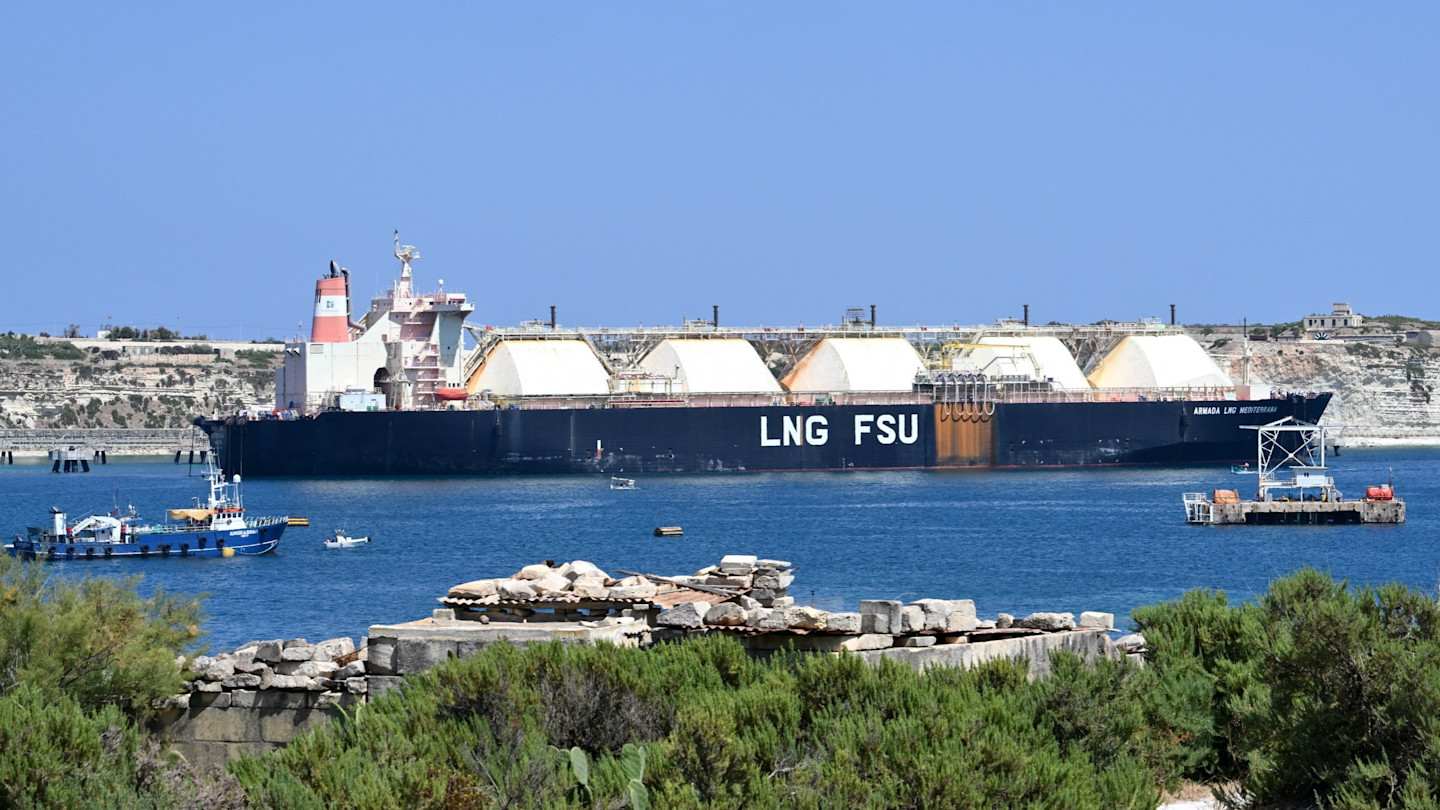
TRADING ECONOMICSThe Jewish Edition+1Voltstack+1European natural gas prices climbed above €62 per megawatt hour on Wednesday, extending a rally to fresh four-month highs as escalating hostilities between the United States and Iran choked off LNG supplies through two of the world's most critical maritime chokepoints.
The Dutch TTF benchmark, Europe's primary gas pricing reference, rose to €62.88/MWh on July 22, up more than 48% over the past month. The surge followed continued U.S.-Iran strikes — now in their ninth consecutive night — while shipping through the Strait of Hormuz remains at a near standstill as both sides enforce competing blockades. Iran-backed Houthi forces escalated the crisis further on July 20 by declaring a naval blockade on Saudi Arabia, effectively shutting the Bab el-Mandeb strait connecting the Red Sea to the Gulf of Aden.TRADING ECONOMICS+4
The dual closure threatens to strangle roughly a quarter of global energy flows, according to Al Jazeera Intercontinental Exchange, Inc. . Reuters Thomson Reuters Corporation reported last week that Iran has signaled willingness to use the Red Sea gateway as additional leverage against Washington.Reuters+1
The crisis has its roots in Iranian missile strikes on QatarEnergy's Ras Laffan Industrial City in March, which caused "extensive damage" to the world's largest LNG export facility. QatarEnergy reported that Trains 4 and 6 were knocked offline, representing 12.8 million tonnes per year of production capacity — about 17% of Qatar's total LNG exports — with repairs expected to take up to five years. The company subsequently declared force majeure on long-term supply contracts with buyers in Italy, Belgium, South Korea, and China.reuters.com+3
Asian spot LNG prices have also climbed sharply. The Platts JKM benchmark stood near $21/MMBtu as of mid-July, its highest level since early 2023, intensifying competition between European and Asian buyers for scarce cargoes.TRADING ECONOMICS+1
Europe entered the 2026 injection season with its lowest gas inventories since 2018, and storage facilities remain well below seasonal norms. As of mid-July, EU storage stood at roughly 51-54% of capacity — about 13 to 14 percentage points below the five-year average. Equinor warned in May that Europe is unlikely to reach even the reduced 80% pre-winter target, while the Financial Times reported storage is on track for just 76% by end-October, the lowest in a decade.Center on Global Energy Policy at Columbia University SIPA | CGEP+4
The European Commission has lowered its mandatory filling target from 90% to 80% in response to the crisis, but analysts warn that may not be enough. "The cost of achieving security of supply rises" with every week of delay, one energy consultant told Reuters. ICIS estimated the continent may need to sustain prices around €54-60/MWh through autumn to attract sufficient LNG volumes.share-talk.com+3
President Donald Trump on Wednesday dismissed the prospect of near-term talks with Tehran, saying Iran "desperately wants to meet" but that the U.S. had "no interest," while renewing threats against Iran's suspected nuclear facilities. The standoff leaves energy markets bracing for a winter defined by scarcity and elevated prices not seen since Europe's 2022 energy crisis.TRADING ECONOMICS


