


Newsletter Subscribe
Enter your email address below and subscribe to our newsletter
[forminator_form id="25163"]

All voices matter
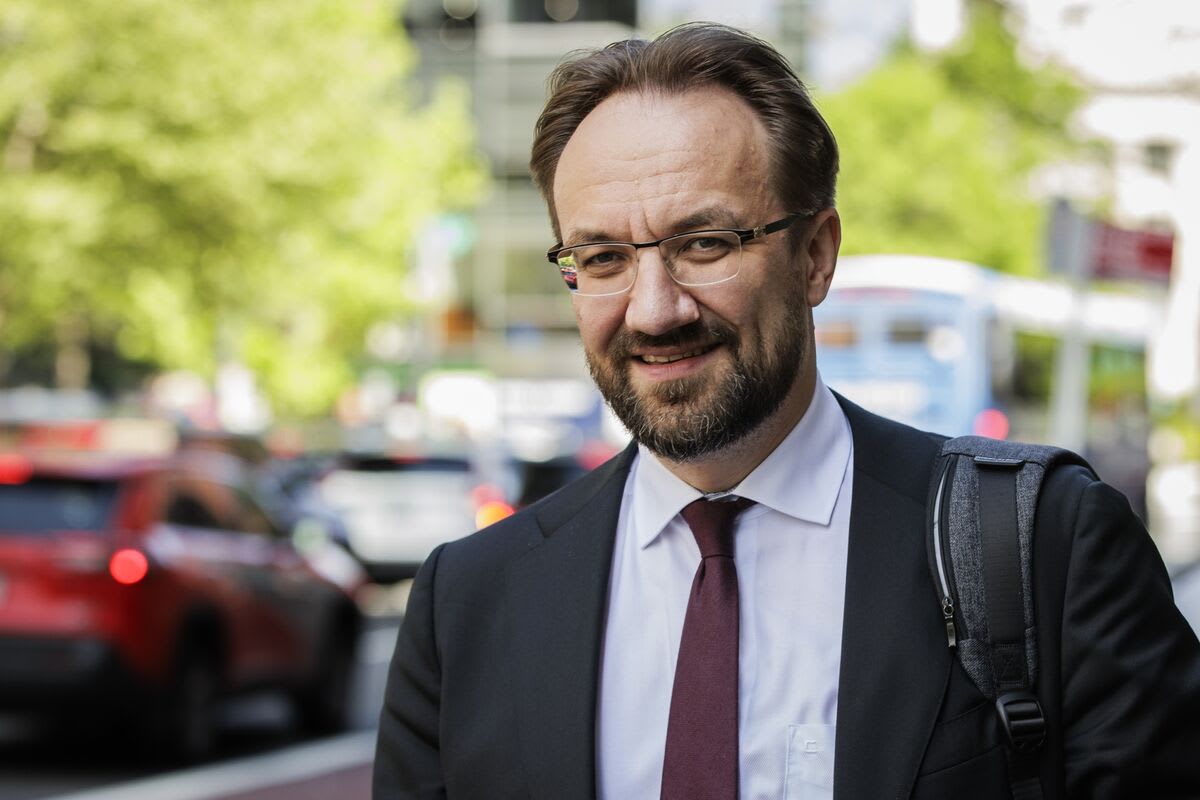
fxstreet+1reuters+1ecb.europa+1European Central Bank Governing Council member Gediminas Simkus said on Friday that the probability of an interest rate increase remains higher than a hold, striking a hawkish tone just one day after the ECB kept borrowing costs unchanged at its July meeting.
"Still see probability of rate hike higher than hold," Simkus said during European trading hours on Friday, adding that inflation is "seen higher than target for a long time." The Lithuanian central bank governor also noted that policymakers "do not see second-round effects of higher inflation" and that additional inflation data would be available by September.fxstreet+2
His remarks came after the ECB on Thursday unanimously decided to keep its deposit rate at 2.25%, following a 25-basis-point increase in June that was prompted by rising energy prices linked to the conflict in the Middle East. ECB President Christine Lagarde said some governors had considered raising rates at the July meeting but ultimately agreed to wait for more data before deciding in September.ecb.europa+2
Despite Simkus's hawkish comments, several other ECB policymakers avoided committing to a September rate increase. Lagarde said the ECB was "not giving any forward guidance" and would continue to make decisions on a meeting-by-meeting basis. Money markets are pricing in a 70% probability of a rate hike at the September 10 meeting and around 42 basis points of total tightening by year-end.investinglive+1
Reuters Thomson Reuters Corporation reported that post-meeting signals indicated the ECB is ready to raise rates in September if the inflation outlook deteriorates, suggesting that a de-escalation in the Middle East and benign inflation figures would be needed to hold off from further increases.investinglive
Separately, a new ECB Consumer Expectations Survey released Friday showed euro-area consumers cut their inflation expectations sharply in June — a period that predates the latest oil spike triggered by renewed fighting in the region. Consumers saw prices rising 3.0% over the next 12 months, down from 3.5% in May, while three-year inflation expectations slipped to 2.8% from 2.9%. Five-year expectations remained anchored at 2.4%.bloomberg+2
The drop in near-term expectations was likely encouraged by a temporary truce in the Middle East that had brought down energy prices before hostilities resumed. Bloomberg noted the data predates the latest oil flareup, which could complicate the ECB's September deliberations.globalbankingandfinance+1


