Newsletter Subscribe
Enter your email address below and subscribe to our newsletter
[forminator_form id="25163"]

All voices matter
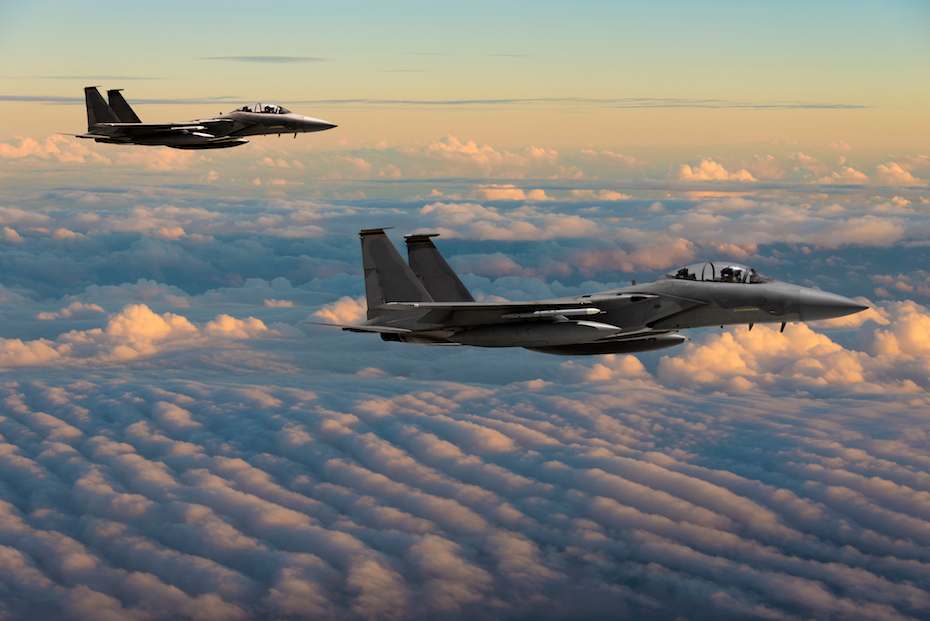
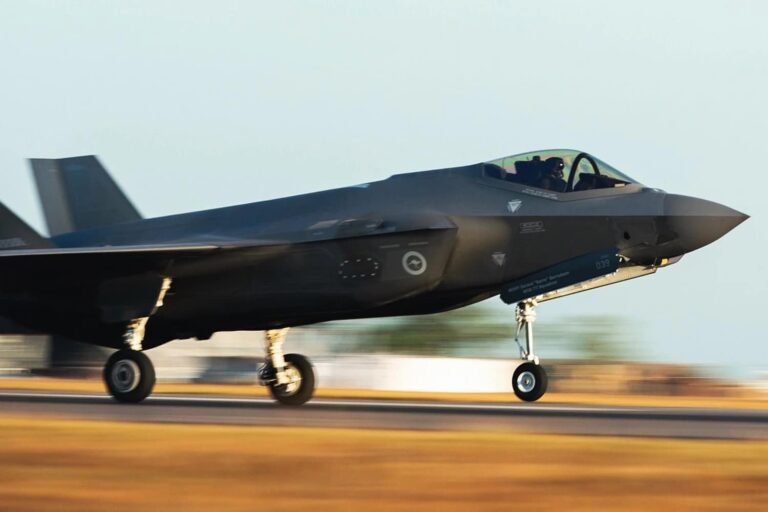
wsj+1reuters+1wsj+1Bahrain and Kuwait covertly dispatched fighter jets to strike military sites inside Iran earlier this month, marking their first direct offensive action against Tehran since the war began in February, according to a Wall Street Journal report. The United Arab Emirates, which had previously carried out its own secret strikes on Iran, provided intelligence on target locations and defensive air cover for the operation.
The strikes represent a dramatic shift for the two Gulf monarchies, which had until now absorbed months of Iranian missile and drone attacks without military retaliation. Since the war erupted on February 28 with U.S.-Israeli strikes on Iran, both Bahrain and Kuwait have been repeatedly hit by Iranian forces targeting U.S. military installations on their soil — the Fifth Fleet headquarters in Bahrain and Ali Al Salem Air Base in Kuwait among the most frequently struck.wikipedia+2
The Wall Street Journal News Corp had previously reported in March that some ground-based missile launches used to attack Iran came from Bahrain, and that Gulf states were "edging toward joining the fight." In May, the Journal revealed that the UAE had been secretly carrying out its own strikes on Iran, including an attack on an oil refinery on Lavan Island. The UAE was later rewarded by Washington with expanded access to AI chips for its military contributions, including "carrying out airstrikes against Iran" and intercepting hundreds of missiles.islamtimes+3
The decision to strike came after weeks of intensifying Iranian attacks on both nations following the collapse of the U.S.-Iran ceasefire on July 8. Since then, Iran has launched nightly barrages at U.S. bases in Bahrain and Kuwait, hitting infrastructure including a power plant in Kuwait and causing civilian casualties. As of mid-July, four soldiers and five civilians had been killed in Kuwait, with more than 190 injured across both military and civilian populations.reuters+4
Officials in both countries concluded they could no longer allow Tehran to attack without a military response, according to the report. The Gulf Cooperation Council had warned as early as March 1 that "any aggression against one member is regarded as aggression against all" and reserved the right to implement "all necessary measures" including retaliation.wsj
The Gulf states' entry into direct combat marks a new phase in a war that has already drawn in multiple regional actors. Saudi Arabia previously struck Iran, and the Houthi movement in Yemen recently declared a naval blockade on Saudi Arabia, opening yet another front. Iran has warned of "unfinished business" with the UAE and threatened to seize Bahraini and Emirati territory. With U.S. strikes on Iran now in their 13th consecutive night and diplomatic efforts stalled, the Gulf monarchies' open participation raises the prospect of an even broader regional conflagration.reuters+2