Newsletter Subscribe
Enter your email address below and subscribe to our newsletter
[forminator_form id="25163"]

All voices matter
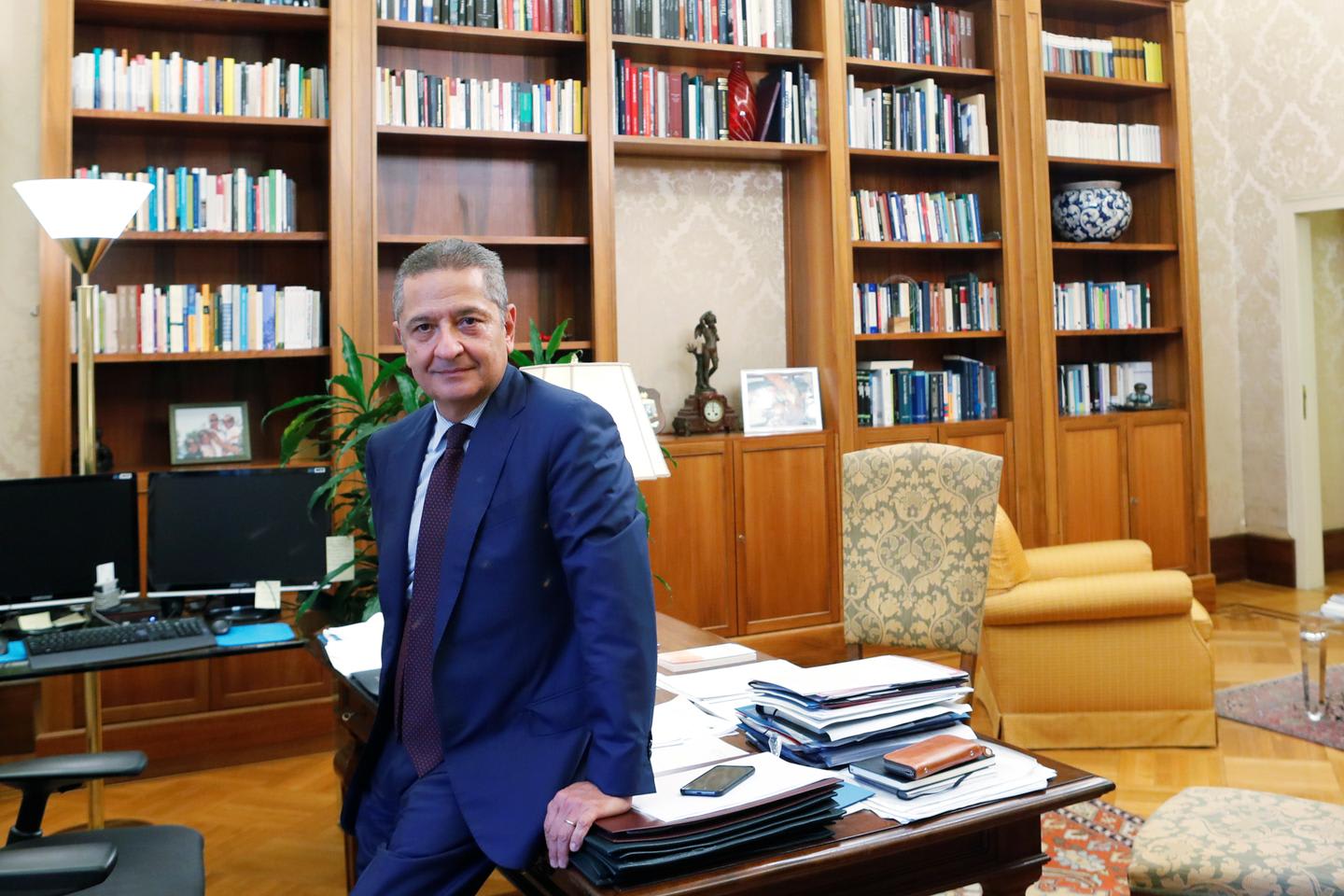
reuters+1reuters+1investingEuropean Central Bank policymaker Fabio Panetta warned on Monday that central banks across Europe face growing political pressure from governments grappling with rising pension costs and industrial support needs, raising fresh concerns about the erosion of monetary policy independence.
Speaking at an event in Rome following a presentation by Oxford University academic Beata Javorcik, the Bank of Italy governor offered a blunt assessment of the challenges ahead. "My first reaction is thank God that we'll retire soon because I think we will be more and more under fiscal dominance," Panetta said, describing a scenario in which government spending requirements increasingly drive monetary policy decisions.reuters+1
"If the voters are moving in that direction, I would not expect that the central bank can stop the waves," he added.investing
Germany, France, and Italy are all working to finance increased defense spending, industrial revival, and welfare systems strained by aging populations. Panetta's remarks come amid broader signs of tension between heavily indebted governments and their central banks — a dynamic that threatens decades of institutional independence. In Japan, Prime Minister Sanae Takaichi's government has sought to place dovish policymakers at the Bank of Japan to slow rate increases, while the U.S. Supreme Court last week rejected President Donald Trump's attempt to remove a Federal Reserve governor.investing
Panetta's warning aligns with analysis from BNY The Bank of New York Mellon Corporation , where macro strategist Geoff Yu argued that European disinflation is allowing market focus to shift from emergency inflation control toward growth and fiscal credibility. In a note published ahead of Monday's remarks, Yu highlighted that Poland's full-year fiscal deficit remains projected at 6.8% of GDP, with 37% of this year's borrowing program still outstanding. NATO spending commitments are adding further fiscal strain across the continent.mitrade+1
Yu cautioned that financial conditions could loosen faster than fiscal consolidation can proceed, leaving policymakers with limited monetary policy space.mitrade
The concerns echo a May speech by ECB Executive Board member Isabel Schnabel, who warned of a "quiet erosion of central bank independence" driven by rising sovereign debt and financial deregulation. ECB President Christine Lagarde, meanwhile, has not ruled out participating in next year's French presidential election — a move that would itself underscore the increasingly blurred boundary between central banking and politics.reuters+2