Newsletter Subscribe
Enter your email address below and subscribe to our newsletter
[forminator_form id="25163"]

All voices matter
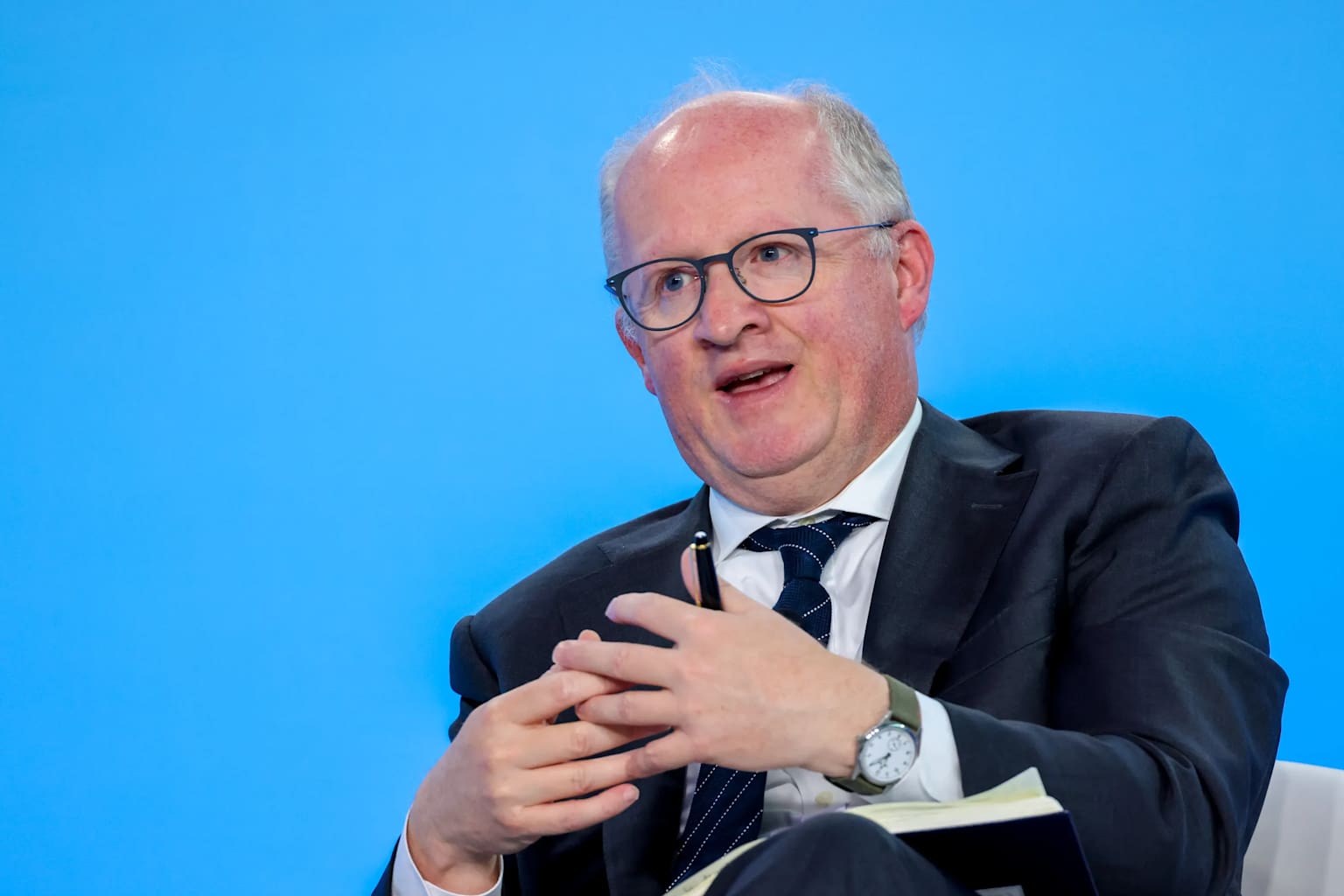
finance.yahoo+1oilprice+1ecb.europa+1European Central Bank Chief Economist Philip Lane said a second wave of rising energy prices will keep eurozone inflation elevated for longer than the central bank had expected, pushing the timeline for a return to the 2% target out to mid-2027. The warning, published Tuesday in an interview with Swiss newspaper Le Temps, underscores the bind facing ECB policymakers as they weigh persistent price pressures against a fragile growth outlook.ecb.europa+1
"We are now seeing a second wave of price increases, not just for oil but also for gas," Lane said in the interview, conducted on September 15. "We believe this second wave of energy price increases should lead to higher and more persistent inflation, before it recedes towards our target starting in mid-2027."bloomberg+1
Lane said the ECB had initially expected the energy shock's peak around June, after the United States and Iran signed a memorandum of understanding on June 17 aimed at ending the conflict. A temporary recovery followed over the summer, but "geopolitical risks now appear to be elevated again," he said.ecb.europa
The remarks come less than two weeks after the ECB raised its key interest rate by 25 basis points on September 10, its second hike this year, as inflation running above 3% remains well above target. Money markets have fully priced in another rate increase by the December 17 meeting, according to Prime Terminal data cited by FXStreet.fxstreet+1
Lane said spillover effects from energy to broader prices have so far been limited — "the good news" — but warned that the second wave is "likely to put upward pressure on food prices, energy prices more broadly, including electricity, and goods prices in general," while services pressures "should remain relatively contained."finance.yahoo+1
A separate ECB Economic Bulletin published Monday found that wholesale natural gas price changes now pass through to consumer gas inflation within one to three months in more than half of eurozone countries, a faster transmission than in 2022. The share of countries reporting slow pass-through windows of 13 to 24 months has dropped from roughly 40% to about 5%.oilprice+1
Lane struck a cautiously optimistic tone on the broader economy, saying the euro area "should continue to grow at a steady but modest pace provided the energy shock does not become more severe." He pointed to government spending, including Germany's infrastructure and defense package and the Next Generation EU programme, as well as gains from artificial intelligence adoption across European firms.ecb.europa
"AI is creating a lot of uncertainty for individuals, but I think it will help raise living standards overall," Lane said. "Some occupations are going to suffer, but for the economy as a whole I think the net effect will be positive."ecb.europa