Newsletter Subscribe
Enter your email address below and subscribe to our newsletter
[forminator_form id="25163"]

All voices matter
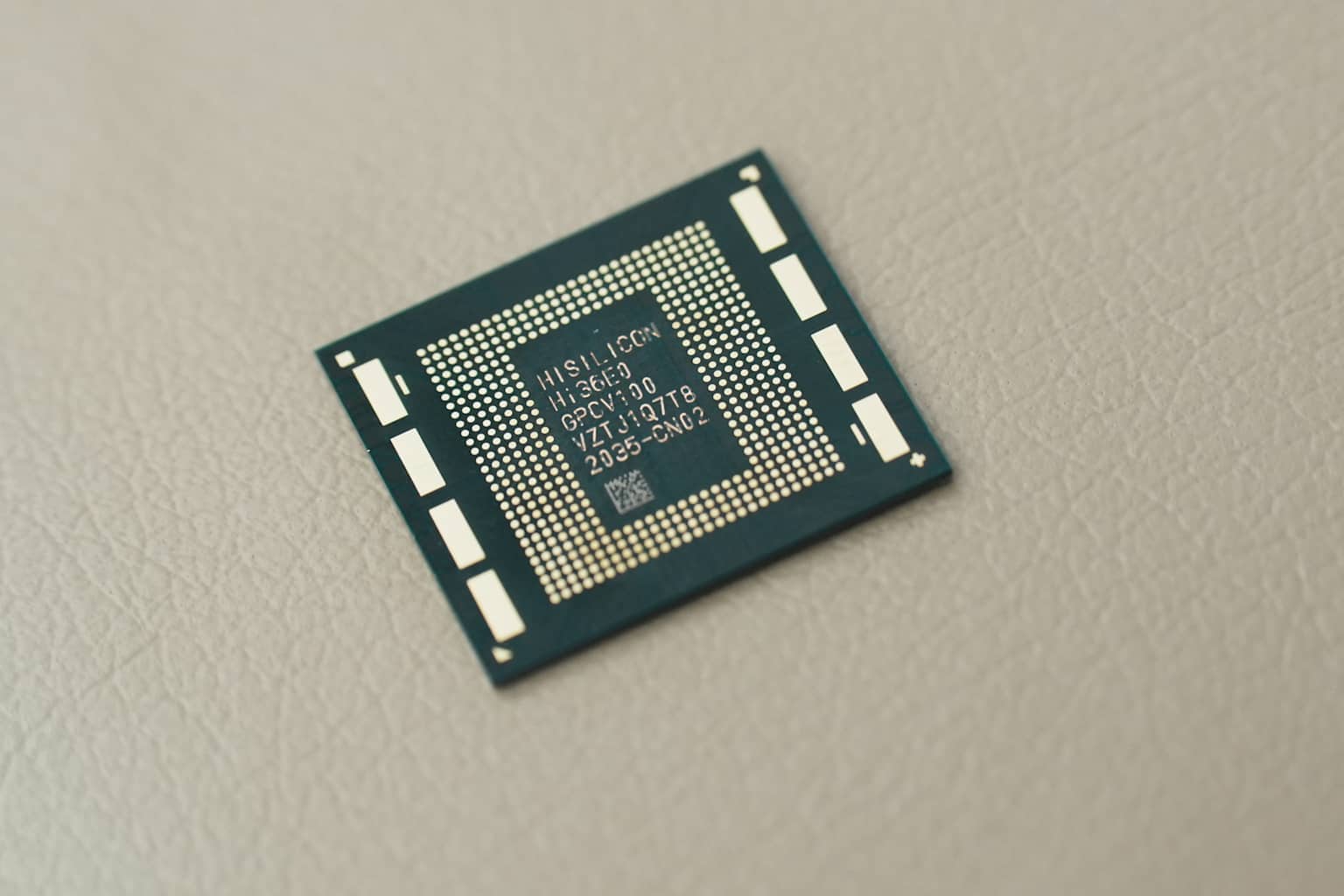
info-reader-production+1aiweekly+1securingDeepSeek CEO Liang Wenfeng told investors that a major priority for the Chinese AI startup is to use more domestically made chips to train its models, with Huawei expected to begin delivering training-grade chips as early as the fourth quarter of 2026, according to a report by The Information on Monday.info-reader-production+1
Liang described training on Huawei chips as "one of the company's biggest bets," according to two people with direct knowledge of the matter. The timeline could extend into the first quarter of 2027, depending on Huawei's production capabilities.aiweekly+3
The shift marks an escalation in DeepSeek's use of Huawei hardware. Bloomberg reported earlier this month that DeepSeek plans to deploy at least 160,000 of Huawei's next-generation Ascend 950DT chips at a massive data center under construction in Inner Mongolia — one of the largest known clusters of Huawei AI chips. At the time, the company was said to be using those chips primarily for inference, or running models, rather than the more demanding task of training them.bloomberg
DeepSeek's previous attempt to train on Huawei's older Ascend 910C chips had failed, and the company had relied on Nvidia accelerators for training. The new push suggests DeepSeek believes Huawei's latest hardware can handle the workload.aiweekly
In July, Liang publicly said Huawei's Ascend chips are "just two years behind Nvidia" and that the gap is closing, though he acknowledged that DeepSeek currently needs about four Huawei processors to match the performance of a single Nvidia GB300.huaweicentral
The move reflects a wider pattern across China's AI industry. According to estimates cited by The Economist, Nvidia's share of China's AI chip market has fallen from roughly 40 percent in 2025 to about 8 percent in 2026, with Huawei rising to approximately half. DeepSeek's V4 model, released in April, was the first from the company explicitly optimized to run on Huawei's Ascend architecture.nytimes+2
U.S. export controls have restricted the sale of Nvidia's most advanced processors to China since 2022. Nvidia CEO Jensen Huang has called those controls "a failure," arguing they cost American companies billions of dollars in lost sales while spurring China to accelerate domestic alternatives. As Al Jazeera noted in an analysis published Monday, the controls "hinder China's ability to keep pace with the latest AI technologies" but "will not hold China's AI development back forever".aljazeera+1
DeepSeek is also developing its own AI chip, Reuters reported in July, a move that could eventually reduce its reliance on both Nvidia and Huawei.reuters