Newsletter Subscribe
Enter your email address below and subscribe to our newsletter
[forminator_form id="25163"]

All voices matter
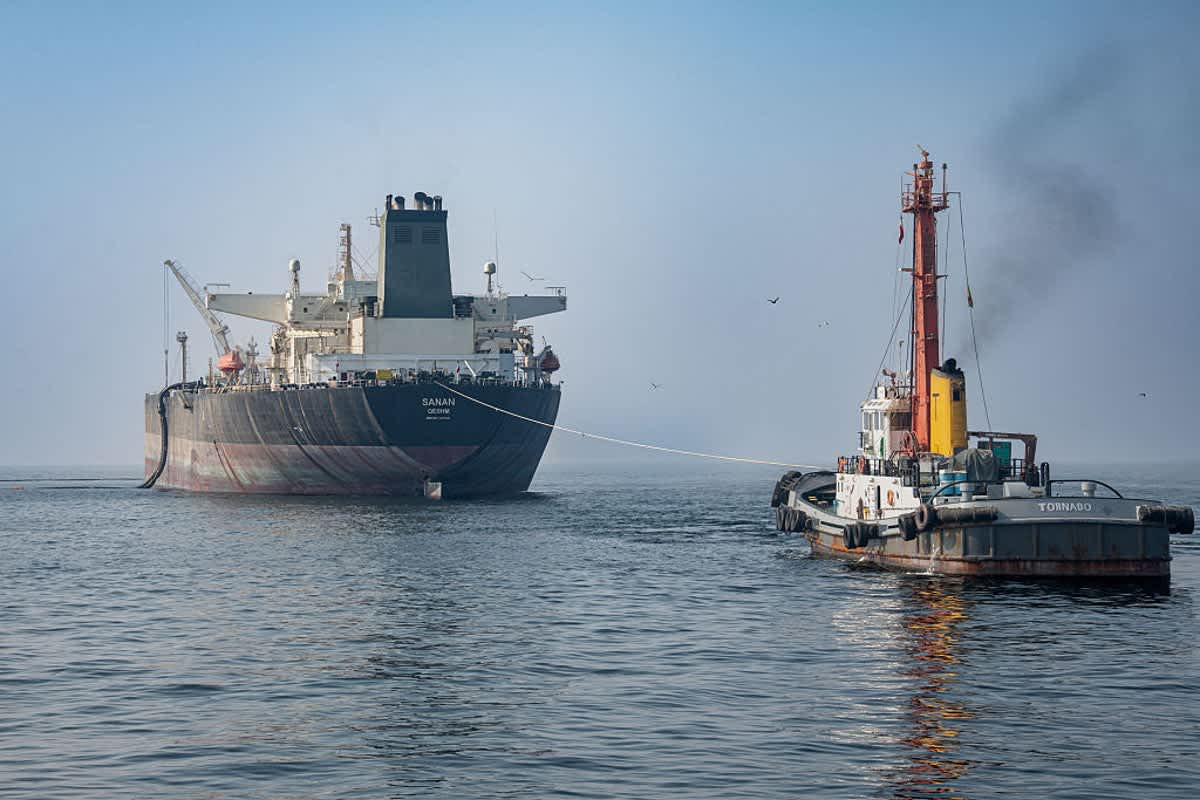
1450 AM 99.7 FM WHTC | Holland+1economictimes+1Financial Times+1Oil prices climbed to their highest level in over six weeks on Thursday after the United States carried out its 12th consecutive night of strikes on Iran while Yemen's Houthi rebels claimed attacks on Saudi oil tankers in the Red Sea, raising fresh fears of prolonged supply disruptions across the Middle East.
Brent crude futures rose about 2% to trade near $96 a barrel, their highest since June 8, while U.S. West Texas Intermediate crude gained roughly 1.7%, according to the Economic Times. The rally extended Wednesday's sharp gains that had already pushed benchmarks up more than 3%.economictimes+1
The Houthis said Thursday they struck two Saudi oil tankers as part of what they described as a naval blockade on Saudi Arabia, according to Reuters , threatening to create a second chokepoint on global oil supplies alongside Iran's disruption of the Strait of Hormuz. The U.S. Central Command confirmed that American forces completed another wave of precision strikes on Iranian military targets including coastal surveillance sites, air defense systems, and maritime capabilities.U.S. Central Command+1
The conflict has escalated steadily since early July, when President Donald Trump declared that an interim agreement with Iran was over. U.S. forces have since struck dozens of Iranian military sites over 12 consecutive nights, while Iran has retaliated against U.S. allies in the region.CNN+2
The oil rally sent ripples through global financial markets. Two-year U.S. Treasury yields hit a 17-month high on Wednesday as traders priced in rising odds that the Federal Reserve may raise interest rates, with futures markets showing a 32% chance of a hike at the central bank's meeting concluding July 29. India's Sensex fell for a fourth consecutive session on Thursday, declining more than 0.5% by midday.Mint+3
Goldman Sachs The Goldman Sachs Group, Inc. has warned that Brent crude could reach $120 a barrel if disruptions to traffic through the Strait of Hormuz persist and Gulf oil exports fail to normalize. The bank raised its fourth-quarter Brent forecast to $90 in late April, up from $80, citing diminishing prospects for peace negotiations.Financial Times+1
Fed funds futures traders are now pricing in a 90% probability of a rate increase by year-end, a stark reversal from expectations of cuts that prevailed before the conflict began in late February. Breakeven rates on five-year Treasury Inflation-Protected Securities rose to 2.31%, implying investors expect elevated inflation ahead.Mint
The conflict shows no signs of abating. Iran has not engaged in substantive negotiations since the ceasefire collapsed, and the U.S. military posture remains one of escalation, with CENTCOM stating it is acting "at the Commander in Chief's direction" to hold Iran accountable for attacks on commercial shipping.U.S. Central Command