Newsletter Subscribe
Enter your email address below and subscribe to our newsletter
[forminator_form id="25163"]

All voices matter
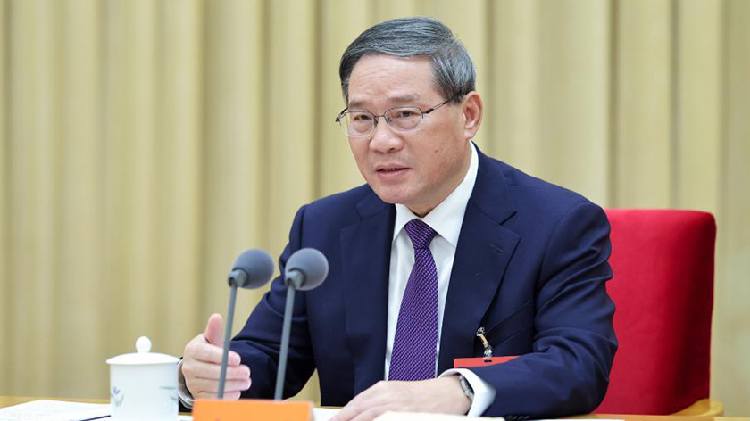
reuters+1reuters+1chinadailyChinese Premier Li Qiang convened a State Council plenary meeting on Monday, acknowledging that "insufficient domestic demand remains prominent" and pledging to roll out "practical and effective new policies in a timely manner" after July economic data came in well below expectations, adding urgency to Beijing's efforts to shore up a slowing economy.
Data released Monday by the National Bureau of Statistics showed industrial output grew 4.5% year-on-year in July, slowing from 5.3% in June and missing the 4.8% consensus forecast in a Reuters poll. Retail sales grew just 0.6%, sharply below the 1.5% analysts had expected and down from 1% in June. Fixed-asset investment declined 6.7% in the January-July period, deepening from a 5.7% drop in the first half. The data followed second-quarter GDP growth of 4.3%, which landed below Beijing's full-year target of 4.5% to 5%.reuters+3
"We should actively stabilise external demand, expand mutually beneficial international economic and trade cooperation and promote balanced trade development," Li said, according to state media Xinhua. He called for accelerating construction of water networks, computing infrastructure, new-generation communications networks, and urban underground pipelines, while innovating financing mechanisms to attract private capital. Li also stressed promoting employment and income growth and supporting investment in emerging sectors.news.cgtn+1
The National Development and Reform Commission, China's top economic planner, said Monday it would accelerate the rollout of new policy-based financial instruments for 2026 and step up support for private investment projects.chinadaily
Despite the headline weakness, high-tech manufacturing output rose 16.9% year-on-year in July and equipment manufacturing grew 12.3%, with new growth drivers contributing an estimated 50.9% to industrial output growth in the first seven months. China's export sector has benefited from global AI infrastructure spending, which has fuelled demand for Chinese-made chips and related goods.reuters+1
Yet the economy's reliance on exports leaves it exposed to frictions with trading partners and disruptions from the Middle East conflict. Zhu Feng, JPMorgan's China chief economist, said "a major challenge for China's economy is the pace of its growth driver transition".chinadaily+1