Newsletter Subscribe
Enter your email address below and subscribe to our newsletter
[forminator_form id="25163"]

All voices matter
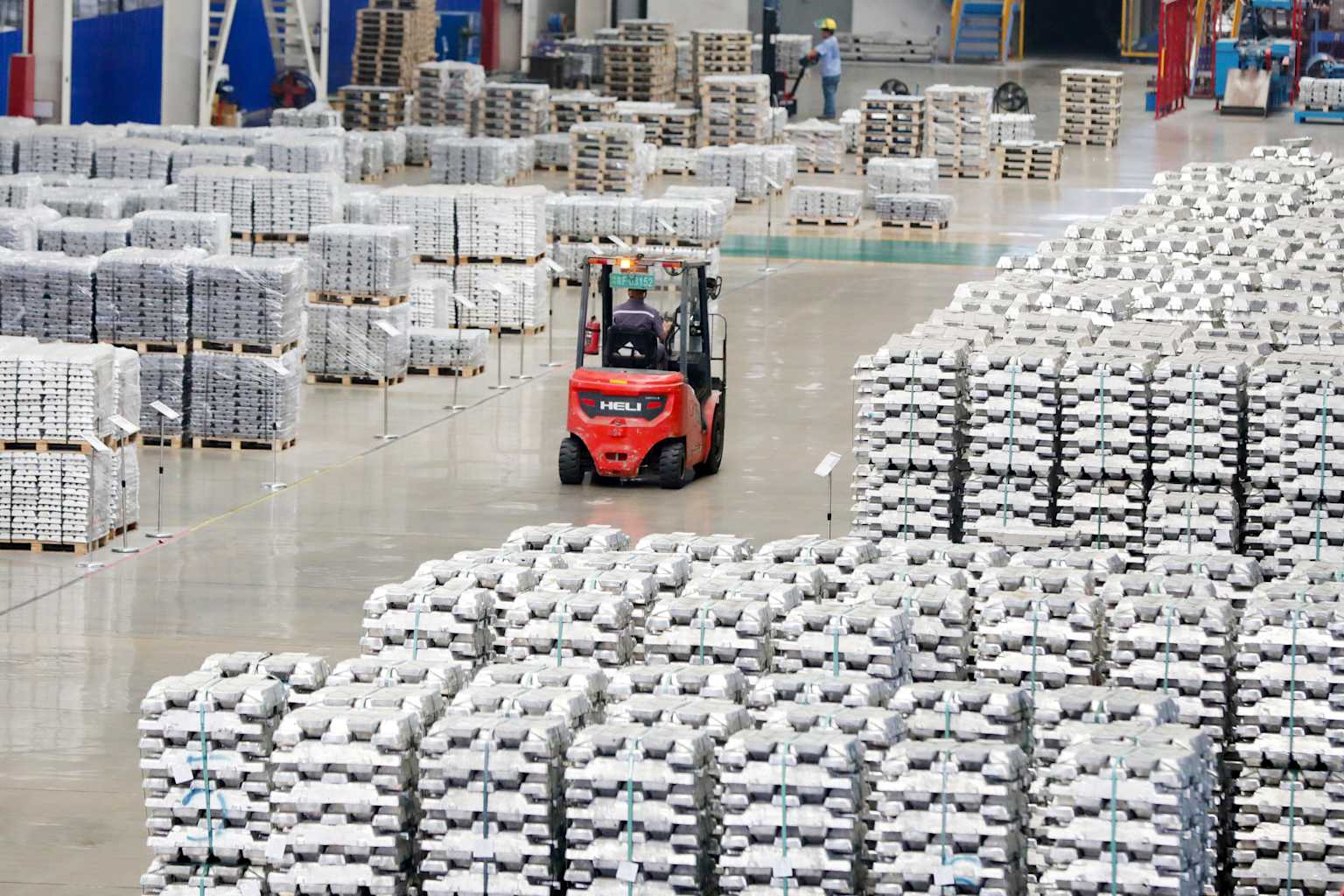
reutersinvestinginvestingChina's official manufacturing purchasing managers' index climbed to 49.8 in August from 49.2 in July, beating the median forecast of 49.6 in a Reuters poll but remaining below the 50-point threshold separating expansion from contraction for a second straight month, according to data released Monday by the National Bureau of Statistics.reuters+1
Sub-indexes for new orders and production both returned to expansion territory, with new orders jumping to 50.6 from 48.5 and production advancing to 50.4 from 49.9. New export orders also edged above 50, coming in at 50.1, up from 49.6 in July. NBS statistician Huo Lihui said "both production and demand expanded in tandem," noting that 16 out of 21 surveyed industries registered month-on-month gains.indexbox+1
While manufacturing showed improvement, the non-manufacturing PMI covering services and construction remained stuck at 49.0, unchanged from July and the weakest reading since December 2022. The composite PMI edged up only marginally to 49.5 from 49.3.investing+1
"Because China's services sector is primarily domestically focused, this suggests domestic demand remained relatively sluggish in August," Lynn Song, ING's Greater China chief economist, said in a note. The divergence between manufacturing and services highlights the economy's growing reliance on exports and factory output to sustain growth.investing
Robust overseas demand, particularly for AI-related technology goods and electric vehicles, has helped cushion the drag from weak domestic consumption. Chinese exports surged nearly 24% year-on-year in July, driven by demand for semiconductors and green technologies. However, the economy grew just 4.3% in the second quarter, its slowest pace in more than three years, weighed down by a prolonged property slump and soft consumer spending.investinglive+2
Xu Tianchen, senior economist at the Economist Intelligence Unit, told Reuters Thomson Reuters Corporation that "domestic demand seems to be coming back, although it's more likely to have been driven by AI and exports than by policy expansion". Zhiwei Zhang, chief economist at Pinpoint Asset Management, cautioned it was "too early to conclude the economy had rebounded".investing
Beijing pledged in late July to introduce additional support measures, and the finance ministry recently expanded loan interest subsidies for small firms and consumers. But a People's Daily article this month signaled the government would not unveil large-scale stimulus, stating China is "not excessively reliant on strong policy stimulus". September data, free from the typhoon-related disruptions that affected parts of southern and eastern China during August, should offer a cleaner read on underlying demand.cryptobriefing+1