Newsletter Subscribe
Enter your email address below and subscribe to our newsletter
[forminator_form id="25163"]

All voices matter

scmp+1reuters+1cnbcChina's crude oil demand is expected to peak this year, according to executives from the country's largest oil firm, adding to bearish pressure on global crude prices as the world's top importer joins a growing list of forces weighing on the market.
Zhang Changbao, vice-president of China National Petroleum Corporation PetroChina Company Limited (CNPC) Asia-Pacific (Hong Kong), said at an event in Hong Kong on Monday that reductions in transport fuel use would outpace gains in petrochemical demand, marking a turning point for the country that has long been the single biggest driver of global oil consumption growth.scmp
The shift is driven by Beijing's push to develop renewable energy and its transformation of the transport sector, with China now the world's largest producer and user of electric vehicles, Zhang said. Electric car sales in China are set to reach nearly 60 percent of total car sales in 2026, according to the International Energy Agency.iea+1
The demand plateau has created a new domestic challenge: persistent refining overcapacity. Dai Jiaquan, chief economist of the CNPC Economics and Technology Research Institute, estimated domestic crude demand at 750 million to 800 million tonnes per year, compared with refining capacity of 900 million to 1 billion tonnes.scmp
"Domestic refining capacity is undoubtedly excessive," Dai said.scmp
The CNPC assessment aligns with forecasts from other major Chinese energy players. Sinopec China Petroleum & Chemical Corporation projected in 2024 that China's oil demand would peak before 2027, while the IEA last year forecast a peak in 2027.oilprice+1
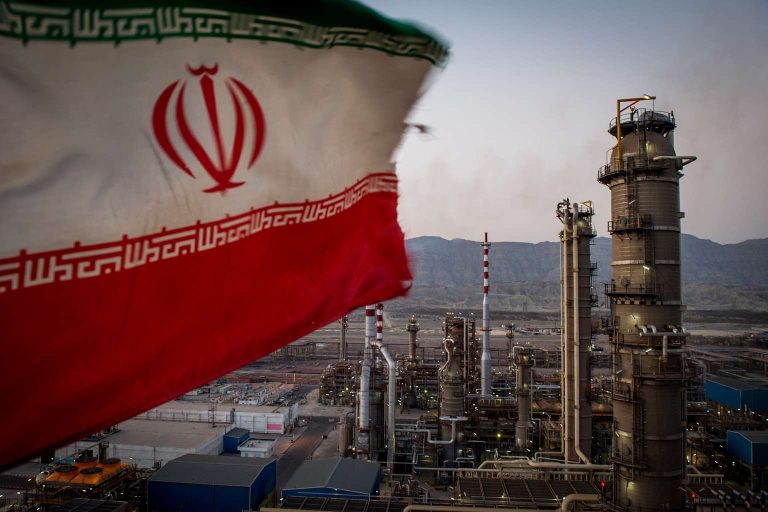
The declaration comes as oil markets face multiple sources of supply pressure. OPEC+ agreed on Sunday to raise output targets by 188,000 barrels per day from August, marking the fifth consecutive monthly increase as the group unwinds voluntary cuts introduced in 2023. Gulf oil exports through the Strait of Hormuz, which was largely shut during the U.S.-Iran conflict earlier this year, have recovered to over 10 million barrels per day.dtnpf+1
Goldman Sachs The Goldman Sachs Group, Inc. projected in June that accelerating EV adoption, partly prompted by the Hormuz supply disruption, could reduce global oil consumption by up to 320,000 barrels per day by the end of 2027.reuters
ANZ estimated that global oil demand could contract by 1.5 million barrels per day in 2026, reflecting what it called a "sharper-than-expected downturn". Brent crude and WTI settled near pre-Iran war levels on Monday as rising supply met weakening demand signals.reuters+1