Newsletter Subscribe
Enter your email address below and subscribe to our newsletter
[forminator_form id="25163"]

All voices matter
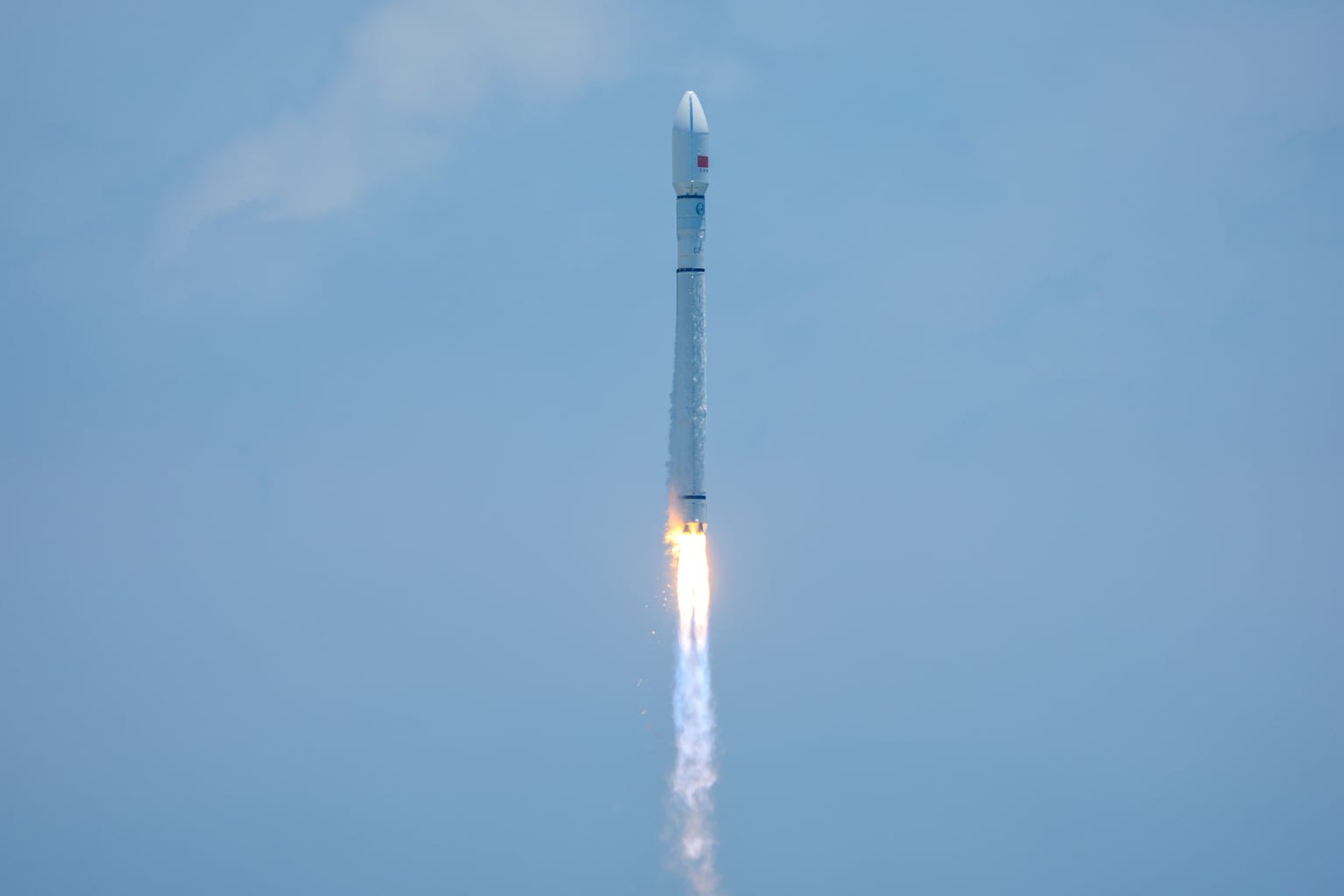
people+1reutersindiatoday+1China sent a new batch of internet satellites into orbit on Sunday from its commercial spacecraft launch site in Hainan province, continuing the rapid expansion of its satellite constellation just six days after a separate rocket failure rattled the country's space program.
The satellites, designated the 24th group of low-orbit internet satellites, lifted off aboard a Long March-12 carrier rocket at 12:10 p.m. Beijing Time and entered their preset orbits successfully, according to Xinhua.people+1
The launch came at a notable moment for China's space sector. On August 10, a Long March 7A rocket exploded approximately 85 seconds after liftoff from the same Wenchang launch site, destroying the ChinaSat-4B satellite it was carrying. That failure, described by Reuters as relatively rare for a rocket considered a workhorse of Beijing's space program, remains under investigation.reuters+1
Sunday's launch demonstrated that the incident has not slowed China's broader launch cadence. According to India Today, investigators continue to examine the Long March 7A failure while China's other missions proceed on schedule.indiatoday
China's low-orbit internet satellite constellation has grown steadily throughout 2026. The 23rd group was launched on August 4 from the same Hainan facility. As of mid-2026, China operates over 1,300 satellites in space and has conducted more than 50 launches this year, according to ThinkChina.thinkchina+1
The constellation is part of China's effort to build a broadband internet network from space, a domain where SpaceX's Starlink currently dominates. China has accelerated its launch tempo in recent years, deploying new rocket variants including the Long March 12B, which made its debut flight on June 1 carrying another batch of internet constellation satellites.space
The space race between the United States and China extends beyond commercial internet. Both nations plan to land astronauts on the moon in the coming years, and their growing satellite constellations serve dual civilian and military purposes.thinkchina