Newsletter Subscribe
Enter your email address below and subscribe to our newsletter
[forminator_form id="25163"]

All voices matter
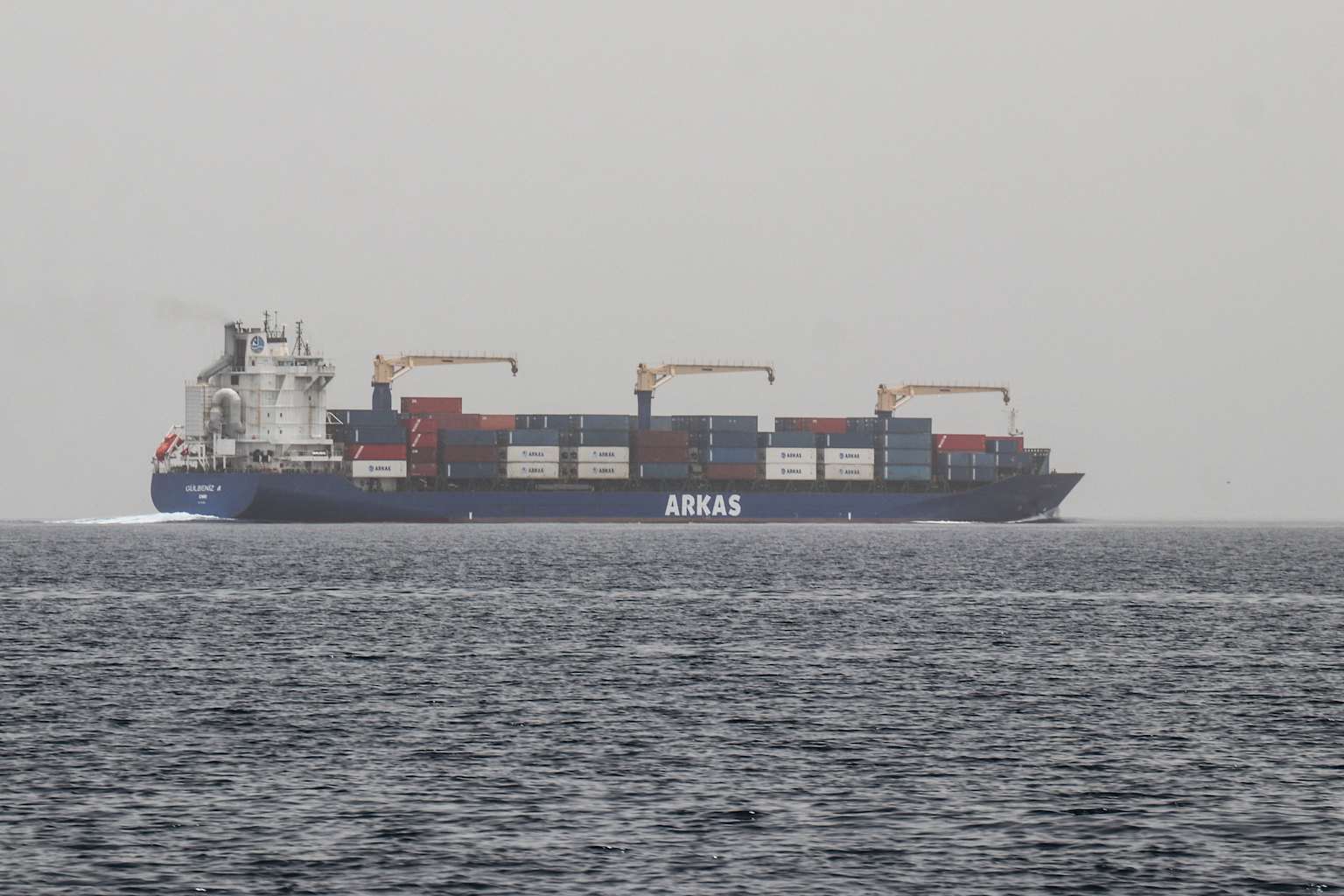
thehillreuters+1thehill+1The expanding US-Iran conflict has turned two of the world's most critical maritime chokepoints into active flashpoints, forcing oil tankers on costly detours around Africa and raising fears that Egypt's Suez Canal could be drawn into the widening war.
A drone strike on 29 July at Egypt's Mediterranean port of Damietta — striking a US-owned floating storage tanker and a Greek-owned LNG vessel — underscored how close the conflict has come to the canal. Reuters reported the drone hit the Energos Winter, sparking a fire that spread to the Gaslog Salem. Egypt's cabinet confirmed the drone as the cause, though no party has claimed responsibility. The Houthi movement denied involvement.wikipedia+2
Since the US-Israel air campaign against Iran began on 28 February, Iran has largely blocked shipping through the Strait of Hormuz, cutting off roughly 20 percent of the world's oil transit. In July, Yemen's Houthis declared a naval blockade against Saudi-linked shipping in the Red Sea, enforcing it at the Bab al-Mandab Strait. The Washington Post reported that at least six vessels reversed course as the blockade took effect in late July, with the Houthis warning operators their transit clearance had been cancelled.thehill+2
The dual disruption has forced Saudi tankers to reroute around the Cape of Good Hope, adding thousands of miles and up to $5 million in additional costs per shipment, according to industry analyses cited in multiple reports. Chevron CEO Mike Wirth told Fox News on Sunday that energy markets remain "somewhat fragile and uncertain," noting inventories have been "drawn down around the world" and that energy assets have been deliberately targeted.energynewsbeat+1
Analysts warn that the canal itself could become a target. Days before the Damietta strike, Iranian state television broadcast a map identifying the port's LNG facility among potential targets, according to The Jerusalem Post. Alex Almeida of Horizon Engage told The New Arab that the attack likely represents "a calculated expansion of the 'if we don't export, no one does' strategy that Tehran seems to be implementing".newarab+1
Nicholas Heras of the Middle East Policy Council assessed that the Houthis are "best positioned" to support Iran's strategy of making the Red Sea dangerous for transit, which would put "enormous pressure on the Suez trade" and have "cascade effects on Egypt's economy".newarab
Saudi Arabia has called for a multinational coalition to keep the Red Sea open, though analysts question its effectiveness. The kingdom has relied heavily on its East-West pipeline to move crude from eastern processing centers to the Red Sea terminal at Yanbu, bypassing Hormuz. But Houthi attacks have targeted pipeline-related infrastructure, and the Yanbu route itself now faces threats from the Red Sea blockade.energynewsbeat
U.S. gas prices have risen more than $1 since the war began, reaching $4.10 on Sunday according to AAA data, while the Trump administration explores reopening shuttered refineries to ease supply pressures.thehill