Newsletter Subscribe
Enter your email address below and subscribe to our newsletter
[forminator_form id="25163"]

All voices matter
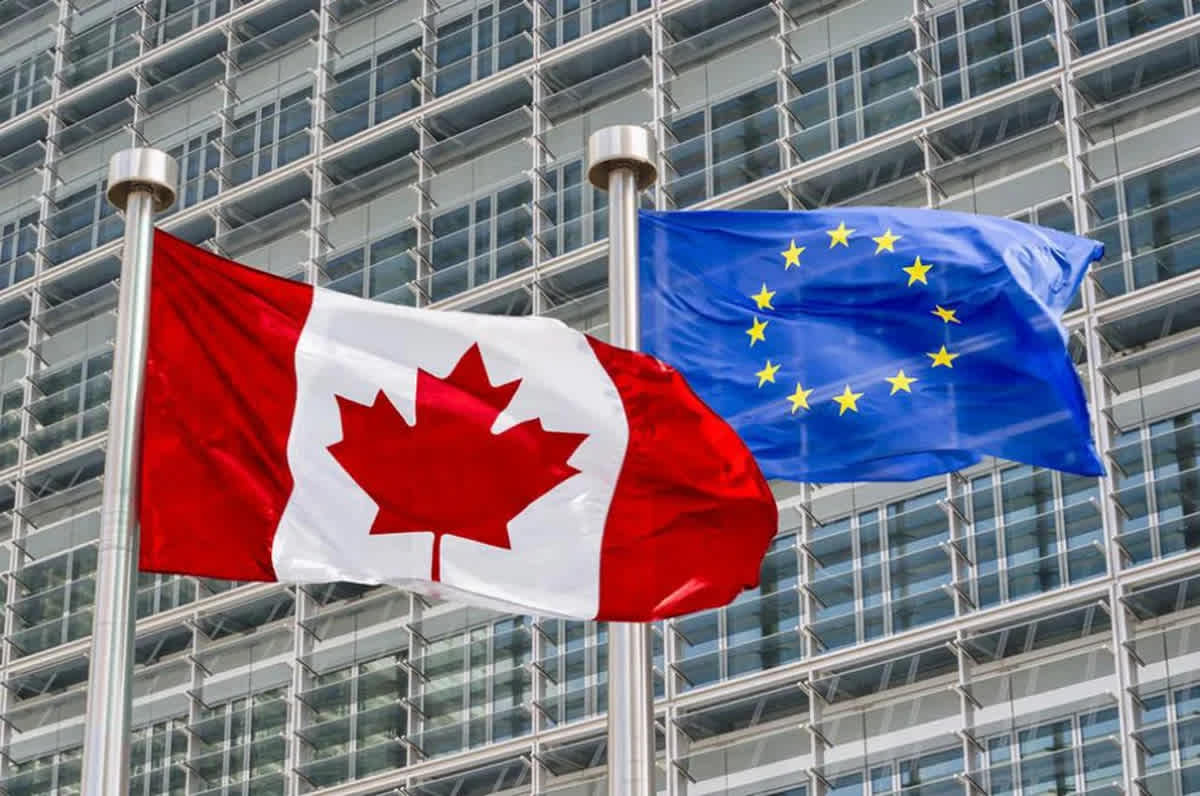
wsj+1biz.chosun+1finance.yahooCanadian Prime Minister Mark Carney has proposed that Canada become an "associate member" of the European Union, a move that would mark a dramatic reorientation of a country long tethered economically and diplomatically to the United States. The initiative, first reported by The Wall Street Journal News Corp on September 12, comes as trade talks between Ottawa and Washington have collapsed and a tariff war between the two countries intensifies.wsj
According to the Journal, Carney has spent months in private discussions with leaders across France, Italy, Germany, Scandinavia, and smaller European nations about how to integrate Canada and its 41 million residents more closely into the 27-member bloc. He has directed his special envoy to Europe to explore the most ambitious options short of full EU membership or entry into the single market.biz.chosun+1
The two sides are discussing cooperation on defense, energy, artificial intelligence, and critical minerals needed for battery and semiconductor production, as well as ways for Canada to access European markets on terms approaching those of a member state. The EU, despite its traditionally cautious stance on membership questions, has shown openness to the proposal, according to sources cited by the Journal.modern+1
European leaders have begun half-jokingly referring to Canada as the EU's "newest member," the Journal reported.wsj
Carney will travel to Strasbourg and Liverpool from September 15 to 17. On Thursday, September 17, he is set to address the European Parliament at the invitation of its president, Roberta Metsola, where he is expected to lay out concrete plans for deepening the Canada-EU relationship. He will also attend European Commission President Ursula von der Leyen's State of the European Union address.finance.yahoo+1
In Liverpool, Carney will meet UK Prime Minister Andy Burnham for the first time, with discussions expected to cover defense, energy, AI, and critical minerals. An official Canadian government statement described European allies as "natural partners" bound by "shared history, values, and increasingly shared interests."theglobeandmail+1
The path from proposal to institutional reality is uncertain. Most non-members that trade freely with the EU contribute to its budget, accept European workers, and comply with EU regulations. If Canada were to accept similar conditions, it could provoke political backlash in Quebec and Alberta, where separatist sentiment runs strong. A U.S. official quoted by the Journal questioned whether Canada and the EU are prepared to absorb enough of each other's goods at a time when the United States is pulling back as the world's consumer of last resort.biz.chosun
Within the EU, some officials are watching to see whether Canada's overtures are a genuine strategic pivot or an attempt to gain leverage in future negotiations with Washington.biz.chosun