Newsletter Subscribe
Enter your email address below and subscribe to our newsletter
[forminator_form id="25163"]

All voices matter
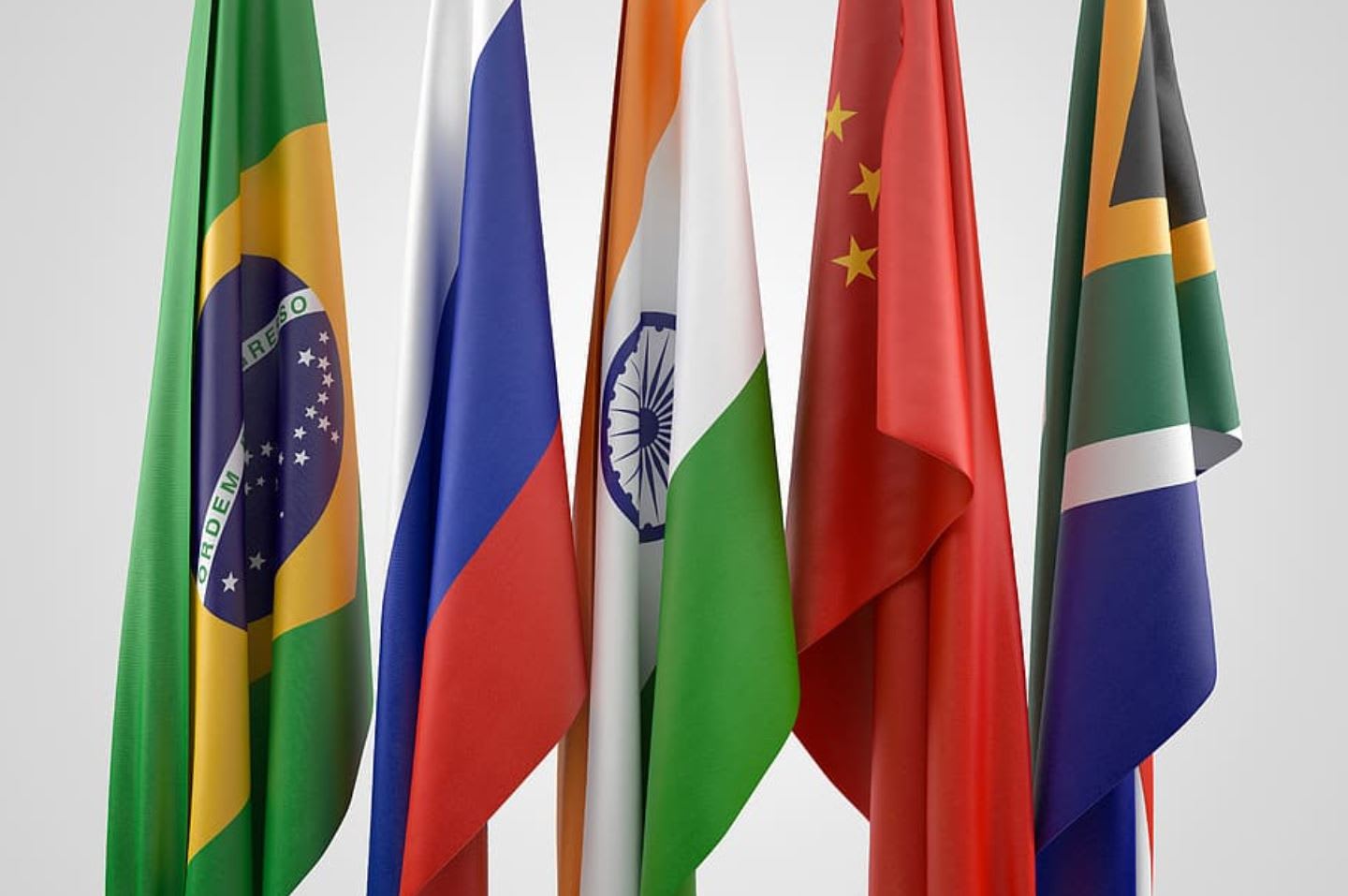
investingreutersbeninwebtvMembers of the BRICS bloc are in active discussions about linking their national fast payment systems and central bank digital currencies, Reserve Bank of India Governor Sanjay Malhotra confirmed on Tuesday in Mumbai, marking a step forward in the group's long-running effort to reduce the cost and complexity of cross-border transactions.
"Cross-border payments is an area of interest for all of us, including the BRICS, because we feel there is a lot of scope for reducing cost," Malhotra said, according to Reuters . "Various options are on the table, but it is still at discussion stage, including CBDCs and linkages of fast payment systems," he added.investing+1
The discussions build on a proposal the RBI made earlier this year recommending that CBDC interconnection be placed on the agenda for the 2026 BRICS summit, which India will host as this year's chair of the group. The approach focuses on allowing existing national infrastructures — such as India's UPI and Brazil's Pix — to communicate directly, rather than pursuing a common BRICS currency, an idea both India and Brazil have publicly ruled out.wkzo+2
Malhotra also said the central bank would continue efforts to internationalize the rupee and promote the use of local currencies in cross-border trade. The push comes at a time when the rupee faces pressure from rising crude oil prices, but reflects a longer-term strategy to reduce dependence on the U.S. dollar as an intermediary in trade among BRICS members.coinedition+1
India is not alone in this ambition. Several BRICS economies — including China and Brazil — are at relatively advanced stages of CBDC development and have run domestic pilots. Linking these digital currencies could eventually allow certain transactions to settle directly between national systems without routing through traditional correspondent banking networks.fxcintel
Analysts caution that implementation remains distant. The interconnection of national systems requires consensus on interoperable technology, governance, cybersecurity standards, anti-money laundering rules, and how to manage imbalanced trade volumes between members. Capital controls and differences in financial regulation across BRICS nations add further complexity.beninwebtv+1
Nevertheless, the direction chosen by the group — cooperation between existing infrastructures rather than a single shared currency — represents what officials view as a pragmatic path toward faster, cheaper settlements among member economies.beninwebtv