Newsletter Subscribe
Enter your email address below and subscribe to our newsletter
[forminator_form id="25163"]

All voices matter
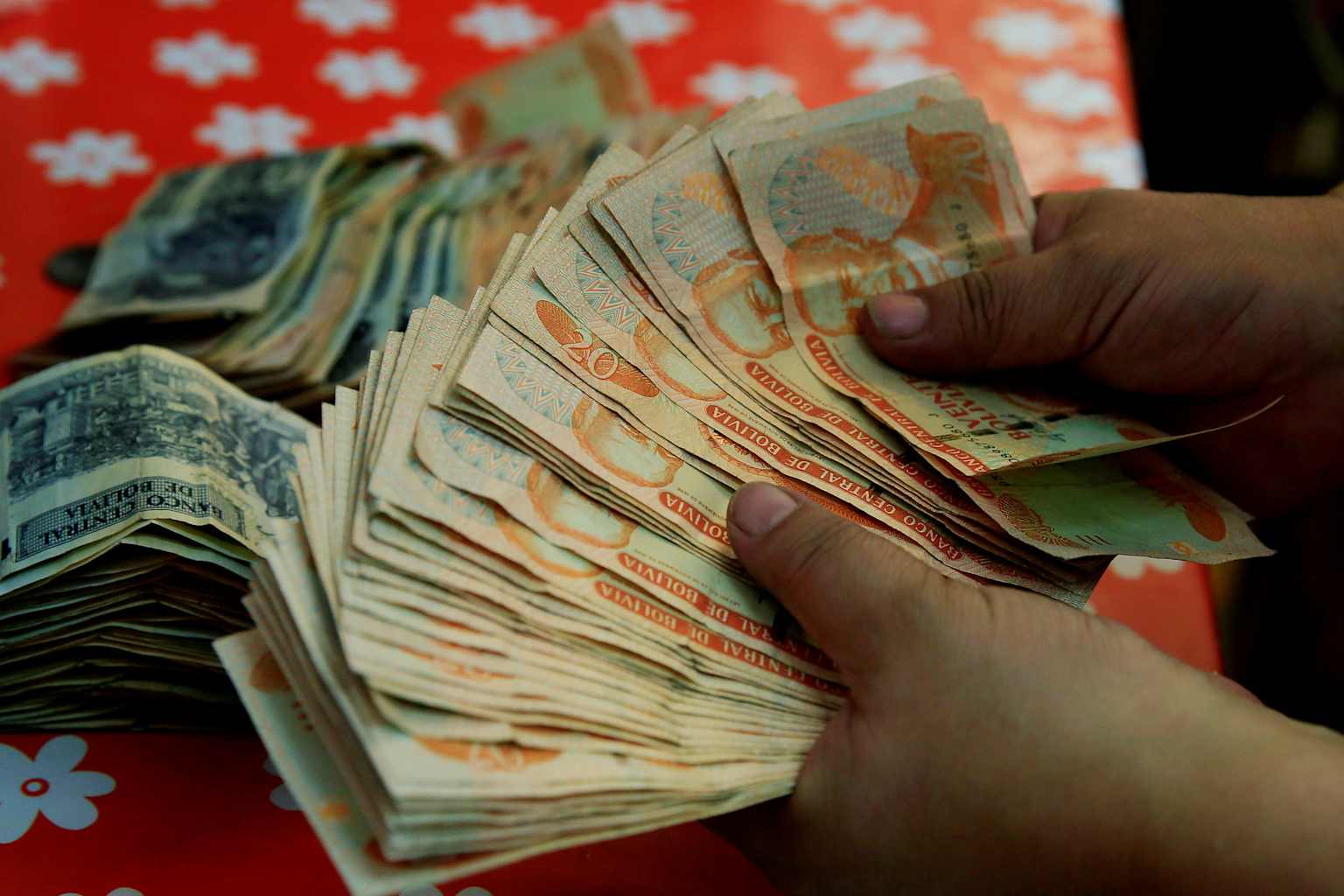
bloomberg+1aa+1bloombergBolivia's Finance Ministry on Friday announced the country will abandon its 15-year fixed dollar peg and adopt a flexible exchange-rate system, a landmark policy shift aimed at restoring macroeconomic stability after more than 50 days of protests that brought the Andean nation's economy to a standstill.bloomberg+2
The central bank set the official exchange rate at 9.73 bolivianos per dollar as of Monday, implying a roughly 30 percent devaluation from the previous buy rate of 6.86 bolivianos that had been fixed since 2011, according to Reuters. The government said the move would help Bolivian exports remain competitive, with the rate now determined daily by supply and demand in the financial system.wtvbam+1
The currency overhaul follows a period of acute crisis. President Rodrigo Paz declared a state of emergency on June 20 after roughly 50 days of road blockades choked fuel, food, and medical supplies across major cities including La Paz and El Alto. At their peak, more than 100 blockades paralyzed the country's highways, causing economic losses estimated at $2.8 billion — about 5.5 percent of GDP — according to the National Chamber of Industries.lemonde+3
The unrest erupted in early May after the government eliminated long-standing fuel subsidies to reduce its fiscal deficit. Miners, teachers, transport workers, and farmers joined the protests, which broadened into demands for wage increases and Paz's resignation. Paz struck a deal with Bolivia's main trade union federation, the Bolivian Workers' Central, on June 19, in which the government pledged not to privatize public companies and agreed to form joint working groups to address union demands within 90 days.edition.cnn+2
Not all factions accepted the deal. Coca growers loyal to former President Evo Morales continued to resist until declaring what they called a "fourth intermission" on June 22. By June 23, no roadblocks remained standing anywhere in the country, according to Public Works Minister Mauricio Zamora.radiorebelde+1
Morales framed the retreat in defiant terms. "For now, this is a temporary pause, this is not a surrender," he told coca-growing leaders in the department of Cochabamba. The blockades left at least 16 dead and caused an estimated $3 billion in total economic losses, according to Anadolu Agency.bssnews+3
Paz, who took office in November after campaigning on market-friendly reforms, has also moved to open Bolivia's vast lithium reserves and hydrocarbons sector to foreign investment. Bolivia holds roughly 23 million tonnes of identified lithium resources — about 20 percent of the global total, according to the U.S. Geological Survey. Bloomberg reported in mid-June that Bolivia told investors it is close to agreeing on a financing program with the International Monetary Fund. But with constitutional restrictions on private lithium extraction still in place and social unrest simmering, the path to attracting capital remains uncertain.mine.nridigital+3