Newsletter Subscribe
Enter your email address below and subscribe to our newsletter
[forminator_form id="25163"]

All voices matter
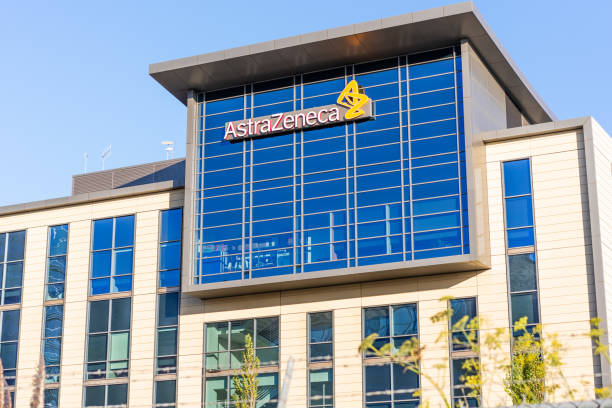
reutersreuters+1reuters+1Days of feverish speculation over a potential $400 billion pharmaceutical mega merger came to an abrupt end on Wednesday when a senior source close to the matter told Reuters that there are "no discussions" between AstraZeneca and Bristol Myers Squibb Bristol-Myers Squibb Company over a deal.reuters
"There is no deal between AstraZeneca and BMS. There never was a deal to be done, and there are no discussions between the companies," the source said, speaking on condition of anonymity.aol
The denial sent Bristol Myers shares down 1.4% in premarket trading, while AstraZeneca's stock rose 5.6%, partially recovering losses sustained earlier in the week.seekingalpha
The Financial Times first reported over the weekend that the two drugmakers had been in discussions for several months about a combination that could produce a deal soon — or collapse. Reuters confirmed on Sunday, citing a person familiar with the situation, that preliminary talks had taken place about a possible deal that would create a pharmaceutical giant with a combined value of nearly $400 billion.tradingview+1
On Tuesday, Semafor reported that talks remained active but would require AstraZeneca to make firm commitments on U.S. investment, research spending, manufacturing, and jobs.tradingview
The initial reports triggered a sharp divergence in the two companies' stock prices. AstraZeneca shares fell around 9% on Monday — their steepest drop since 2020 — as investors and analysts questioned why a company with one of the strongest pipelines in pharma would pursue a transformative acquisition. Bristol Myers shares, by contrast, held relatively steady, with investors viewing the company as the likely beneficiary of any combination.thestreet+1
Analysts were openly critical. Jefferies told clients it was "a bit perplexed" by the reported talks, while Citi called them a surprise given AstraZeneca's "best-in-class pipeline." TD Cowen estimated that combining with Bristol Myers would dilute AstraZeneca's sales growth from 2027 to 2032 by two percentage points.thestreet
Beyond investor skepticism, the proposed merger faced formidable regulatory hurdles. Both companies have large overlapping oncology portfolios — notably Bristol Myers' Opdivo and AstraZeneca's Imfinzi — that would have drawn intense antitrust scrutiny in the United States, the United Kingdom, and Europe. Bristol Myers also faces a looming patent cliff, with Eliquis and Opdivo, which together accounted for about half of its 2025 global sales, set to lose exclusivity around 2028.biospace+1
AstraZeneca CEO Pascal Soriot has previously stated the company does not require major acquisitions to achieve its target of $80 billion in annual revenue by 2030.oncodaily