Newsletter Subscribe
Enter your email address below and subscribe to our newsletter
[forminator_form id="25163"]

All voices matter

reutersasml+1reutersASML disclosed on Wednesday that its capacity expansion plans for 2027 and 2028 now account for demand from Elon Musk's planned Terafab chip manufacturing facility in Texas, marking a formal acknowledgment that the world's sole maker of extreme ultraviolet lithography machines views the ambitious project as a real source of future orders.
CFO Roger Dassen made the disclosure during ASML's Q2 2026 earnings call, stating that the company is close to fully booking its 2027 EUV capacity and has already secured a substantial number of 2028 EUV orders. ASML said it plans to increase both its low-NA EUV and DUV immersion capacity by 30% for 2027 compared with 2026, with a potential additional 30% increase in 2028. The company currently targets capacity of approximately 65 low-NA EUV machines in 2026.qz+5
The earnings report itself beat expectations, with Q2 net sales of €9.3 billion and gross margin of 54%, prompting management to raise full-year 2026 revenue guidance to €43 billion to €45 billion, up from €36 billion to €40 billion previously.asml+2
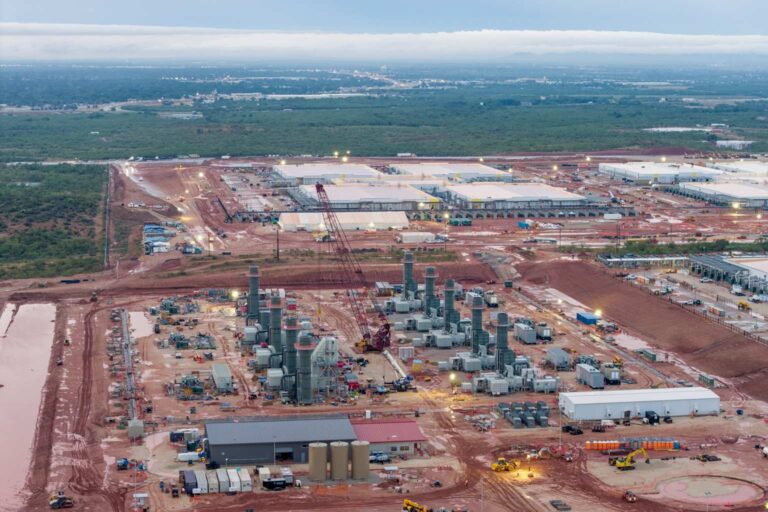
Musk unveiled the Terafab initiative in March 2026 as a collaboration between SpaceX and Tesla aimed at producing chips for both companies, with xAI also expected to benefit. The facility, planned near Gibbons Creek Reservoir in Grimes County, Texas, carries an initial construction estimate of $55 billion, with total investment potentially reaching $119 billion across multiple phases.qz+1
Musk's courtship of ASML became public in June when he appeared at the Dutch company's annual technology conference, engaging with employees via video alongside CEO Christophe Fouquet. He described ASML as "arguably the greatest company in Europe" and said it should be "treasured and supported," according to CNBC.cnbc+1
ASML's each EUV machine costs approximately $400 million, and the company holds a global monopoly on the technology required for manufacturing the most advanced semiconductors. Reuters reported that ASML's guidance now formally incorporates Terafab demand into its forward planning, a step that transforms what had been a speculative megaproject into a quantifiable element of the semiconductor equipment supply chain. With 2027 capacity nearly spoken for, the disclosure underscores how tight advanced chipmaking equipment remains amid surging AI-driven demand.reuters+2