Newsletter Subscribe
Enter your email address below and subscribe to our newsletter
[forminator_form id="25163"]

All voices matter
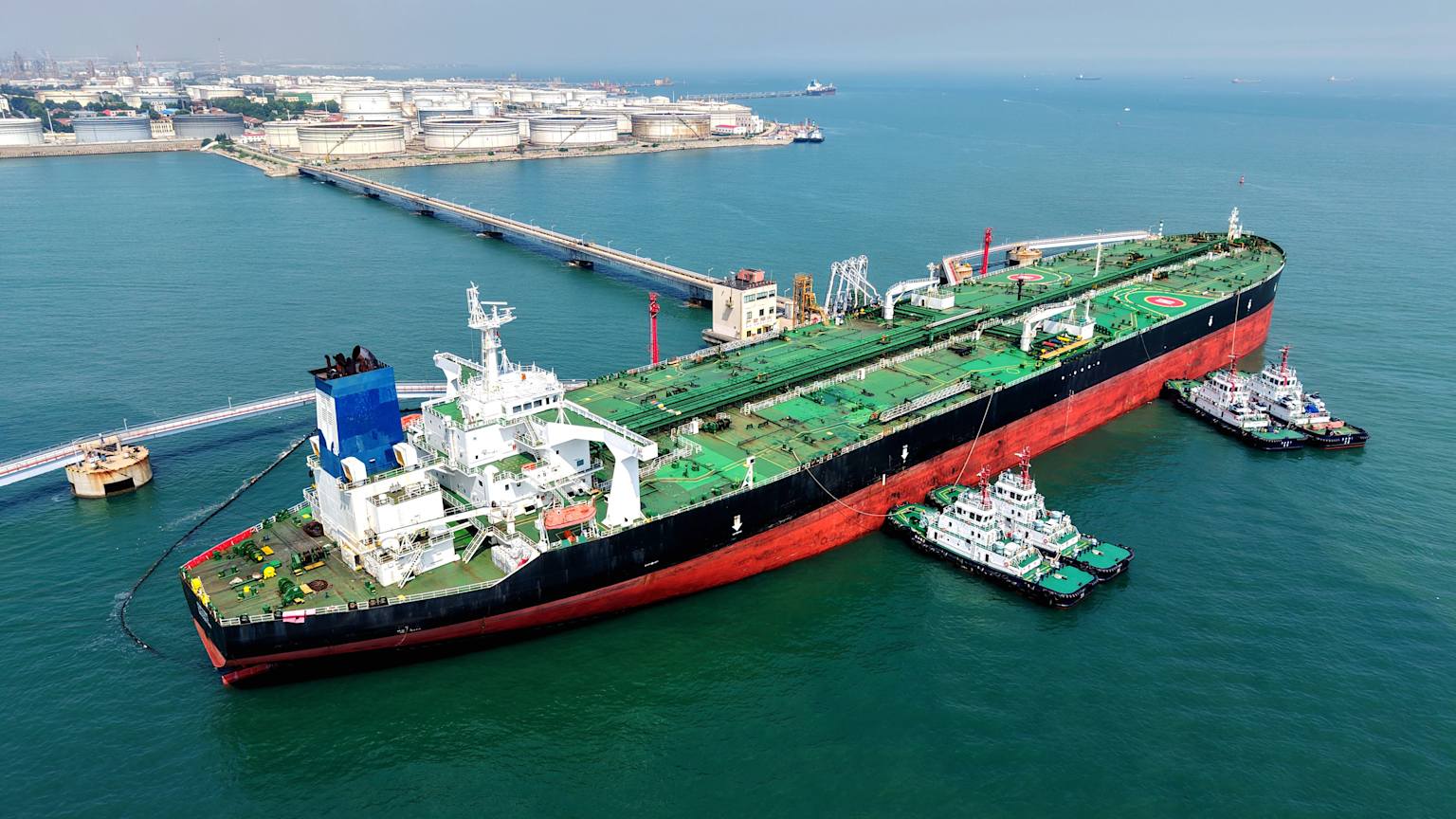
reutersreutersreutersAsia's crude oil imports climbed to 22.82 million barrels per day in July, reaching their highest level since the U.S. and Israeli attacks on Iran began on February 28, according to data compiled by commodity analytics firm Kpler and reported by Reuters. The recovery, while notable, still leaves the continent's imports roughly 4 million bpd — or about 15% — below the pre-conflict average of 26.89 million bpd.reuters
The improvement from April's low of 18.77 million bpd — the weakest since November 2015 — was aided in part by a brief ceasefire in mid-June that allowed tankers stranded by the effective closure of the Strait of Hormuz to exit the waterway. Crude arrivals through the strait reached 4.05 million bpd in July, up from 1.59 million bpd in April but still 70% below pre-war flows.reuters
China's seaborne crude imports rose to 6.94 million bpd in July from a decade-low of 5.99 million bpd in June, but remained 39% below the pre-war average of 11.43 million bpd. Beijing's willingness to draw on an estimated 1.2 billion barrels of strategic stockpiles has helped offset regional shortfalls, but Reuters columnist Clyde Russell warned that the window for a diplomatic resolution "before real economic hardship is felt is narrowing".reuters
The supply disruption has reshaped winners and losers across global markets. Brent crude surged nearly 20% in July, briefly topping $100 a barrel on July 23, according to The National News. Upstream energy producers are on course for a $495 billion cash windfall in 2026, according to Wood Mackenzie, assuming Brent averages $90 a barrel for the year.thenationalnews
Japan's largest trading houses have reported strong first-quarter results buoyed by elevated commodity prices and a weaker yen. Nikkei Asia reported on August 4 that firms including Marubeni, Mitsui, and Itochu are increasingly optimistic about full-year earnings. All five major trading houses — which count Warren Buffett's Berkshire Hathaway as a shareholder — had already forecast record or near-record annual profits earlier this fiscal year.reuters+1
Market participants remain divided on whether July's import recovery signals normalization or merely a temporary bounce from the ceasefire window. Fraser McKay, head of upstream analysis at Wood Mackenzie, cautioned that "this is not a natural commodity cycle" and that "the price surge reflects geopolitical conflict, not underlying demand". After August, when remaining ceasefire-era cargoes are delivered, Asia's imports may again drop sharply unless diplomatic progress reopens the Strait of Hormuz on a sustained basis.thenationalnews+1