Newsletter Subscribe
Enter your email address below and subscribe to our newsletter
[forminator_form id="25163"]

All voices matter

swissinfo.ch.swissinfo.ch+1.koreajoongangdaily.com+1.Asian stocks looked set to open lower on Monday, Nov. 2, after Wall Street's sharpest selloff since June. Japanese and South Korean equity futures pointed down, while Australian futures were little changed, Bloomberg reported. Disappointing results from Alphabet , Amazon Amazon.com, Inc. and Intel pushed the Nasdaq 100 down 3.5% on Friday, Oct. 30, and the index briefly entered a technical correction. The results raised new doubts about whether Big Tech's spending on artificial intelligence will pay off.swissinfo.ch
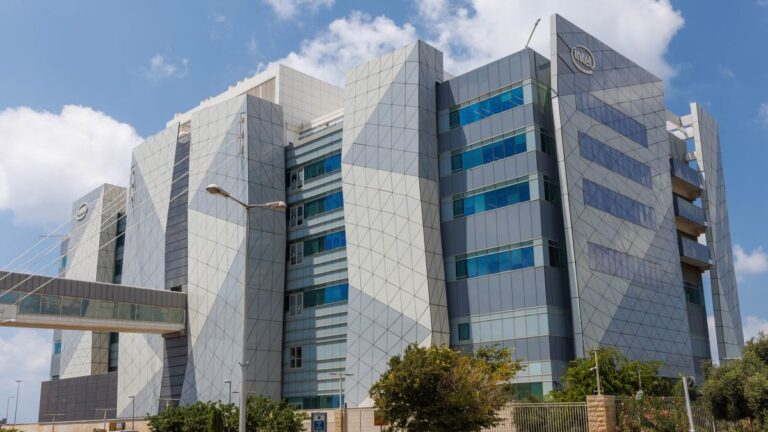
On Friday the S&P 500 fell 1.8%, its worst day since June, and the Philadelphia Semiconductor Index PHLX Semiconductor Index dropped 7.2%, according to Bloomberg. Intel lost 28.6%, its worst day since 1974. The chipmaker beat third-quarter estimates, but its profit forecast for the final quarter came in below expectations, and CEO Lip-Bu Tan pointed to continued pressure on the PC industry, the AP reported. Intel forecast fourth-quarter revenue of $15 billion to $16 billion. Analysts had expected $17.1 billion. The guidance also reflects a shutdown at its plant in Israel after an explosion, CNBC reported.smh.com.au+2
Amazon said it burned through $42.4 billion in free cash flow over the prior 12 months. A day earlier, Alphabet had its worst day on record after saying its cash burn grew, with both companies pointing to heavy AI investment, the AP noted. "The big payoff that everyone has been saying will come eventually is getting pushed even further down the road," Matt Maley of Miller Tabak told Bloomberg.swissinfo.ch+1
Asian markets had already dropped on Friday. South Korea's Kospi fell 3.5% and Japan's Nikkei 225 lost 2.1%, the AP reported. Samsung Electronics fell 3.02% and SK hynix dropped 7.08%, even though both posted record quarterly profits, Korea JoongAng Daily reported. Analysts there said investors have stopped asking how fast Big Tech is growing and started asking whether its AI investments are earning enough. If those companies scale back, demand for memory chips could weaken.koreajoongangdaily.com+1
On Friday the Cboe Volatility Index touched its highest intraday level since April. Traders are bracing for more swings, with the US midterm elections on Tuesday, Nov. 3, and Nvidia earnings due later in November, Bloomberg reported.news.bloombergtax.com
Not everyone sees the drop as the start of a broader decline. Morgan Stanley strategist Mike Wilson said "clearing events" could briefly push stocks lower and give investors a chance to buy in. Florian Ielpo of Lombard Odier Investment Management called the move "more like a bullish rotation with a derating at its core than the beginning of a broad market deterioration," according to Bloomberg. "We're moving out of the hopes and dreams phase of the AI trade and into the 'show me' phase," said Joe Tigay of Equity Armor Investments, the AP reported.smh.com.au+1