


Newsletter Subscribe
Enter your email address below and subscribe to our newsletter
[forminator_form id="25163"]

All voices matter
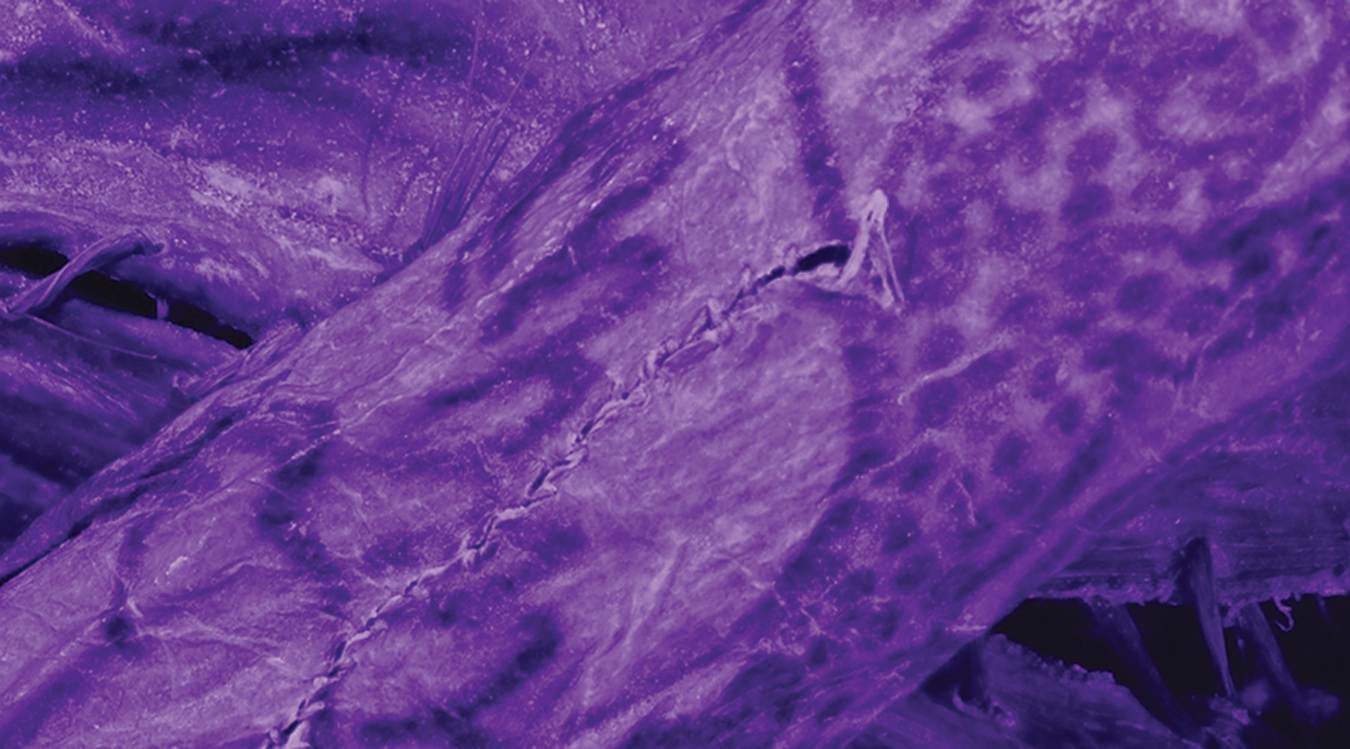
archaeologymag+1.arkeonews+1.archaeologymag+1.iflscience+1.arkeonews.Researchers using advanced near-infrared imaging have revealed unprecedented detail in the tattoos of a 2,500-year-old Siberian mummy, uncovering evidence that ancient tattooing was a highly skilled craft requiring formal training and expertise. The study, published in the journal Antiquity on July 31, offers the first detailed analysis of individual tattoo artistry from Iron Age Siberia.archaeologymag+1
The team led by Dr. Gino Caspari from the Max Planck Institute of Geoanthropology used sub-millimeter resolution digital near-infrared photography to examine tattoos on the 'Ice Maiden' from the Pazyryk culture. The sophisticated imaging revealed animal motifs including leopards, stags, roosters and griffin-like creatures that were previously invisible to traditional examination methods.arkeonews+2
According to the research, the tattoos demonstrate such technical complexity that they would challenge modern tattoo artists. "Some of the effects would be hard to achieve even by professional tattooists using modern equipment," researchers noted in their analysis. The study revealed that ancient tattooists used both multi-point and single-point tools, with evidence of overlapping lines showing where artists paused to reposition or reapply pigment.iflscience+2
The most striking discovery was the marked difference in quality between tattoos on the woman's left and right arms. The right forearm displays "finer attention to detail and a greater array of visual techniques," suggesting work by a more experienced artist. Conversely, the left arm's simpler designs indicate either different artists or the same artist at varying skill levels.cambridge+2
"This highlights the varied skill levels among ancient tattooists and allows us to posit a hypothesis that these images were made by two different people or perhaps represent earlier and later stages of experience in one artist's development," the researchers concluded.cambridge
The Ice Maiden belonged to the nomadic Pazyryk people who lived in the Altai Mountains between the 6th and 3rd centuries BC. Her tattoos were created using carbon-based pigments, likely soot, applied through a hand-poking technique that mirrors methods still used today.timesofindia.indiatimes+1
Researchers collaborated with professional tattoo artist Daniel Riday, who estimated the right arm's complex designs would have required approximately nine and a half hours to complete across multiple sessions. "That's solid commitment from the person. Imagine sitting on the ground in the steppe where there's wind blowing all the time," said Dr. Caspari.thenews
Significantly, burial incisions cut directly through the tattoos during mummification, suggesting these designs held meaning only for the living rather than serving spiritual purposes in the afterlife.livescience+1


