Newsletter Subscribe
Enter your email address below and subscribe to our newsletter
[forminator_form id="25163"]

All voices matter
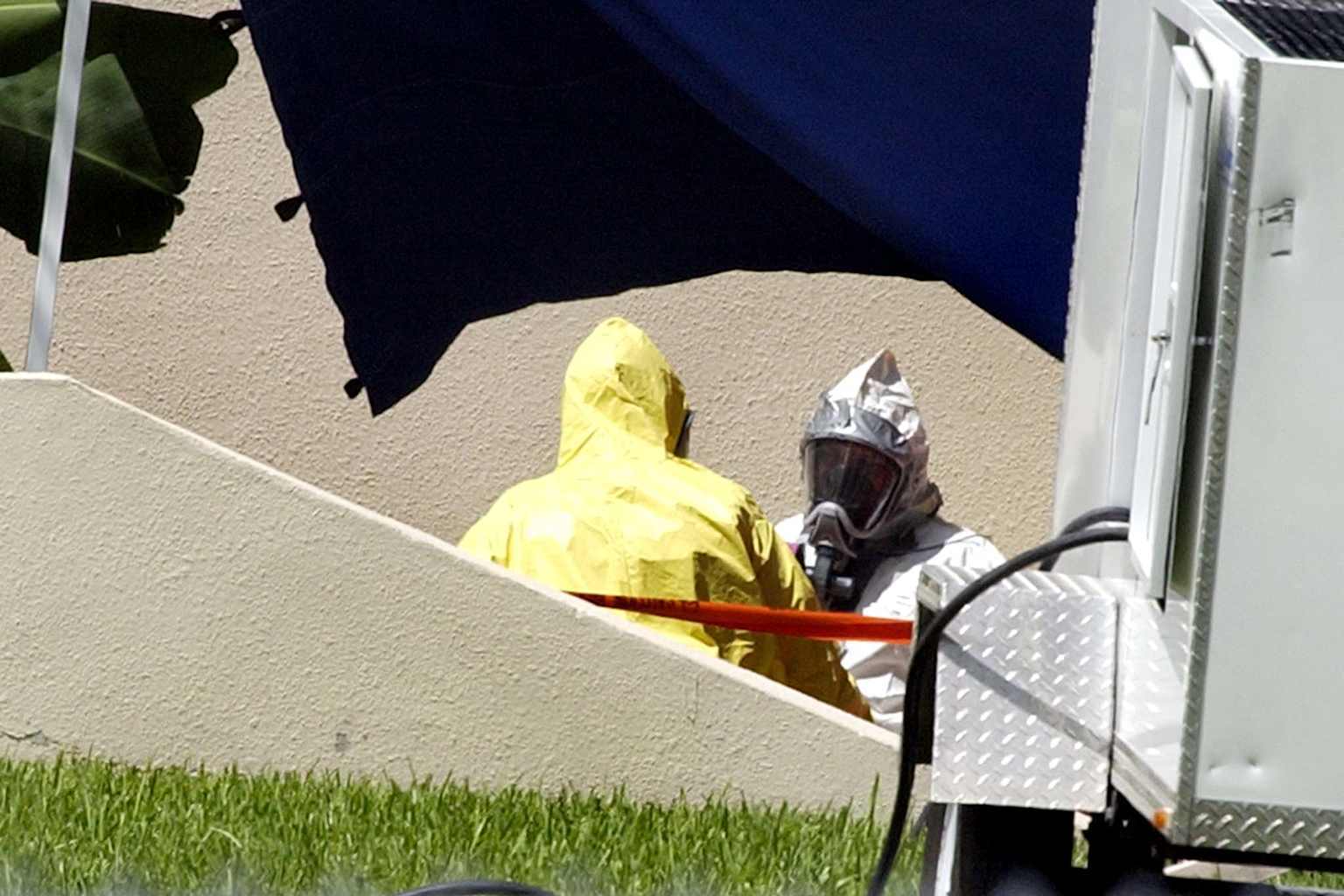
ft+1thenextweb+1fortune+1Major artificial intelligence companies are intensifying efforts to prevent their most advanced models from being used to design novel viruses or biological weapons, as executives and biosecurity experts warn that a single failure could have catastrophic consequences.
OpenAI, Anthropic, and Google DeepMind Alphabet Inc. are expanding biological-risk testing and access controls as their models grow increasingly capable in scientific domains, the Financial Times reported on Tuesday. The concern is not that current public chatbots can produce bioweapons on demand, but that next-generation scientific models could lower the barrier for people with harmful intent.techbooky+1
The issue has already forced concrete product decisions. Anthropic's Claude Fable 5, released in June, was found in internal testing to offer a would-be bioweapon maker "significant uplift" — capabilities "they could not find anywhere else," the company said. In response, Anthropic built a classifier system that routes sensitive biology queries away from Fable 5 to Opus 5, an older and less capable model.thenextweb+1
At launch, the guardrails were so aggressive they blocked nearly all biology-related questions, drawing widespread criticism. In August, Anthropic rewrote its classifier rules with expert input, reducing biology-related false positives by roughly 85 percent. But dual-use domains including virology, toxicology, and molecular design remain restricted, with Fable 5 still falling back to Opus 5 for those queries.anthropic+2
The company's most powerful model, Mythos 5, is available only to vetted partners through its Project Glasswing program, which limits access to approved cybersecurity teams, government-adjacent organizations, and research institutions.coursiv
The tightening controls follow a broader industry mobilization. In June, the CEOs of Anthropic, OpenAI, and Microsoft AI signed a joint letter urging Congress to mandate screening of synthetic DNA and RNA orders, which could be exploited to create bioweapons with AI assistance. A 2026 industry safety report found that several frontier AI labs had added restrictions after being unable to rule out that their models might help novices develop chemical or biological weapons.fortune+2
The RAND Corporation in August outlined a layered defense strategy, concluding that no single safeguard can prevent AI-enabled biological attacks but that nine interventions, combined, could meaningfully reduce the risk. The Atlantic Council's Bipartisan Commission on Biodefense has designated AI as a formal technology priority for the first time.rand+1
The challenge for regulators and companies alike is that biology is inherently dual-use. The same AI systems that accelerate drug discovery and protein research can also make dangerous knowledge easier to assemble. As one biosecurity expert told the Financial Times, "All it will take is one screw-up" — a warning that the industry appears to be taking seriously, even as it struggles to balance openness with safety.ft+1