Newsletter Subscribe
Enter your email address below and subscribe to our newsletter
[forminator_form id="25163"]

All voices matter
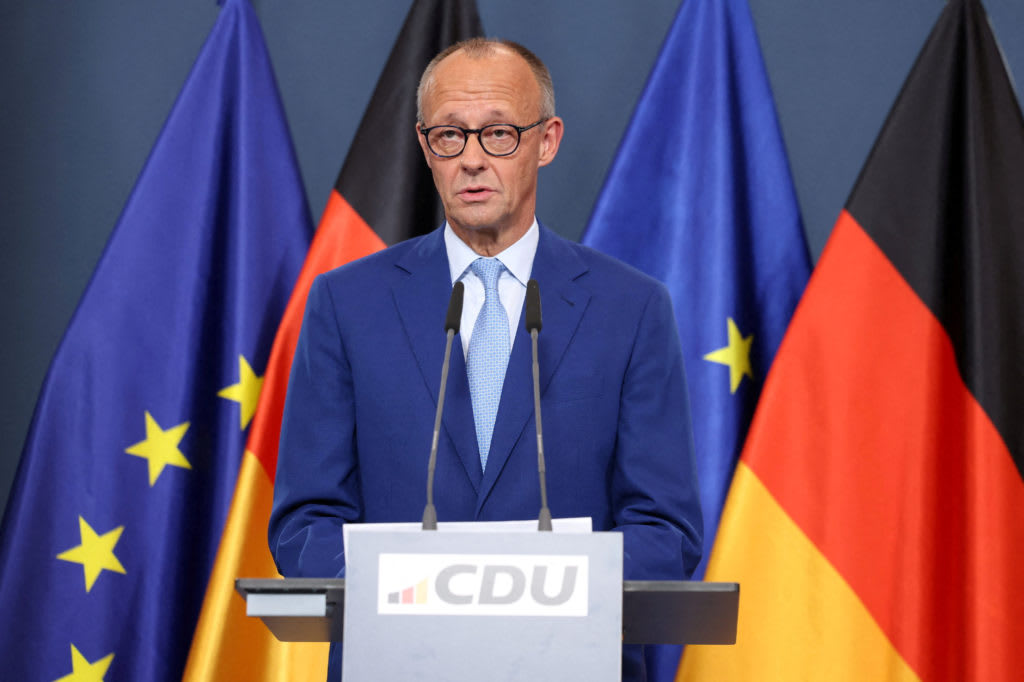
reuters+1bbccrossroadstodayGermany's far-right Alternative for Germany party projected its dominance over the country's political landscape on Sunday, winning the northeastern state of Mecklenburg-Western Pomerania just two weeks after its landslide victory in Saxony-Anhalt — a result Chancellor Friedrich Merz himself called a "disaster" for his party.bbc+1
Exit polls conducted for public broadcaster ARD showed the AfD taking 37% of the vote in the largely rural former East German state, narrowly ahead of the center-left Social Democrats at 35.5%. Merz's Christian Democrats slumped to 5.5%, teetering on the edge of the threshold needed to enter the state parliament — the party's worst result in any state election since 1949.reuters+2
In a televised address minutes after polls closed, Merz vowed to press ahead with his coalition government's economic, tax, and welfare reform package despite the humiliation. "The reforms have to come," he said. "I am taking on this responsibility, because I want to move our country forward."france24+1
The chancellor, who has held office for just 16 months, framed the reforms as a response to the far right's rise, calling them "the antidote to the authoritarian poison that, with the fascination of authoritarianism, is penetrating ever deeper into our society." He has cancelled a planned trip to the UN General Assembly in New York next week as he braces for a difficult period ahead.bbc+1
AfD co-leader Alice Weidel was triumphant, telling CNN her party is "clearly the new people's party in Germany" and describing Merz as "strongly damaged."crossroadstoday
Sunday's second election brought further bad news for the CDU. In Berlin, the left-wing Die Linke surged to first place with around 24.5-26% of the vote, well ahead of Merz's conservatives at 20%, according to ARD projections. The AfD also gained in the capital, rising to between 14% and 16%, up from 9.1% in the 2023 election.yahoo+3
Despite the AfD's projected win in Mecklenburg-Western Pomerania, the party remains unlikely to govern the state. All other parties maintain a policy of refusing to form coalitions with the far right. Whether incumbent SPD Premier Manuela Schwesig can retain power may depend on whether the populist Sahra Wagenknecht Alliance clears the 5% threshold; projections placed it at exactly 5.0%.dw+2
Sunday's votes were the last in a series of five German state elections this year that have exposed deep public frustration with Merz's government. Prior to the elections, leaders of eight German states publicly backed the chancellor, but speculation about a mid-term replacement continues to swirl.france24+1