Newsletter Subscribe
Enter your email address below and subscribe to our newsletter
[forminator_form id="25163"]

All voices matter
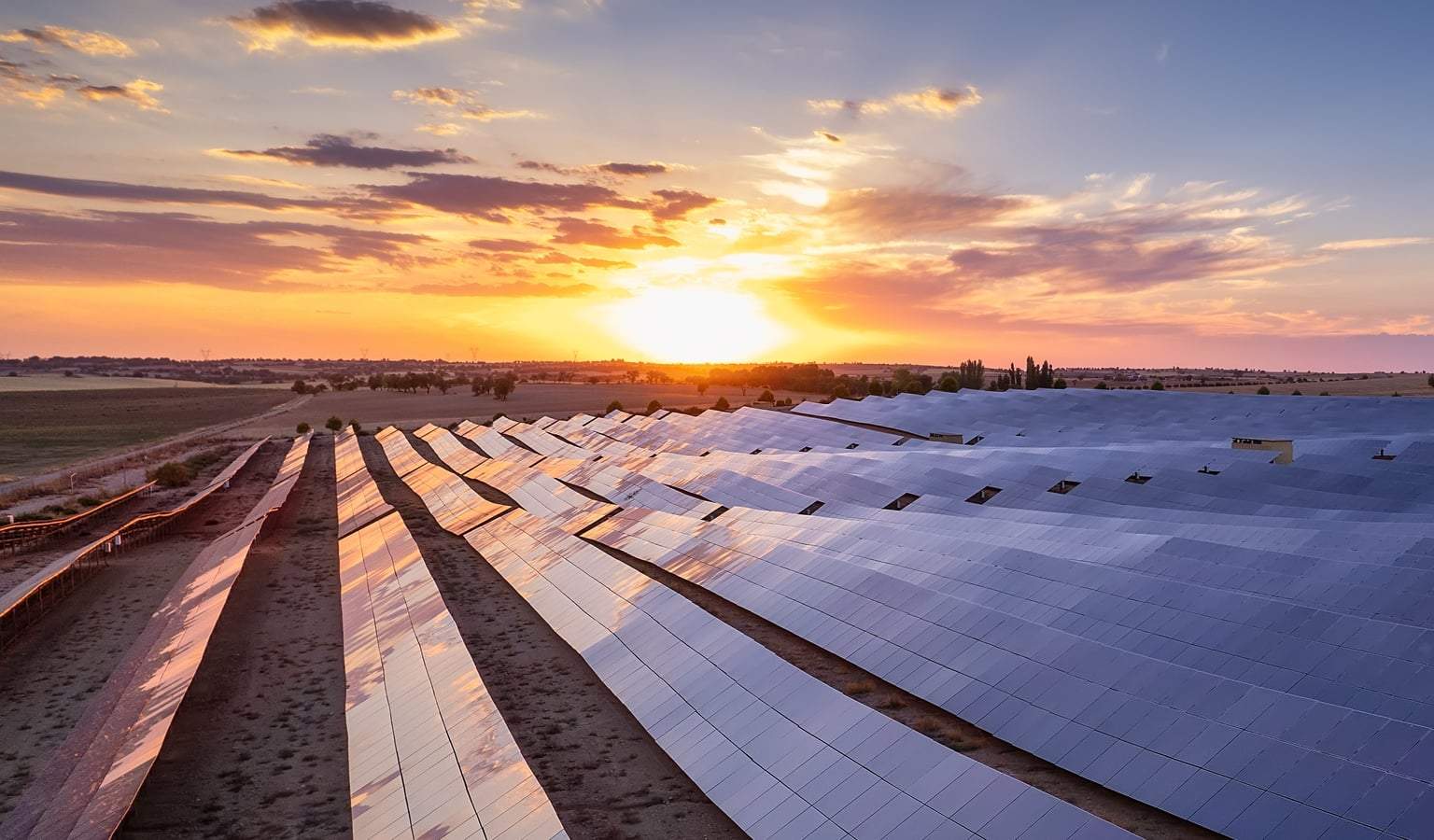
globalbankingandfinancebalkanwebladbibleEurope's electricity system faces a dual challenge on Wednesday evening as a solar eclipse sweeps across the continent, temporarily knocking out up to 9.7 gigawatts of solar power generation at a time when an ongoing heatwave has already pushed grid capacity to its limits.
The eclipse, expected between approximately 17:15 and 19:30 GMT, will see the moon cover more than 90% of the sun across large parts of the United Kingdom, France, and northern Italy, with totality in northern Spain and northeastern Portugal. The resulting drop in solar generation comes during peak evening demand, when households typically switch on appliances after returning from work.globalbankingandfinance+1
Grid operators across Europe have spent over a year preparing for the event, modelling the impact of shadow and light on power generation. Measures include temporarily ramping up gas and coal power plants and adjusting automatic frequency restoration reserves to maintain stable electricity frequency.globalbankingandfinance
Spain and Portugal face the sharpest impact, with Spanish grid operator Red Eléctrica estimating a loss of up to 5 GW of solar production — equivalent to around 13% of peak energy demand on a typical August day. France expects to lose up to 1.8 GW of its 30 GW total solar capacity, while Britain's National Energy System Operator has warned of a margin shortfall of nearly 1.8 GW and expects a reduction in solar output of up to 1.3 GW in the most unfavorable scenarios.balkanweb+3
The eclipse arrives amid a summer that has already forced nuclear and coal plants across Europe to curtail operations. In Poland, two large coal-fired plants reduced output due to low levels on the Vistula River, losing about 1.3 GW of capacity. In France, three nuclear reactors have shut down due to low water levels, while Romania diverted Danube flow to keep the Cernavoda nuclear plant running. Norway's hydroelectric reservoirs have fallen to their lowest levels in roughly 30 years.balkanweb
"Europe's electricity supply is already tight amid the heatwave," analysts at RBC Capital Markets said.joe
Octopus Energy, Britain's largest home energy provider, is offering customers a free hour of electricity on Sunday if they reduce consumption between 6 PM and 8 PM on Wednesday. The company urged households to delay running washing machines, dishwashers, and other appliances until after the eclipse passes.ladbible
"As the sun disappears, so will some of Britain's solar generation, just as demand peaks," said Rebecca Dibb-Simkin, Octopus Energy's chief customer officer. "By shifting everyday tasks like the washing machine or dishwasher until later, households can help reduce the need for gas power stations".joe+1
Solar energy produced 14.4% of Britain's electricity in July, a record high, making the temporary loss of sunlight during peak hours particularly acute. The European Commission said there are currently no immediate concerns about electricity supply security but acknowledged the system is under pressure.balkanweb+1