Newsletter Subscribe
Enter your email address below and subscribe to our newsletter
[forminator_form id="25163"]

All voices matter
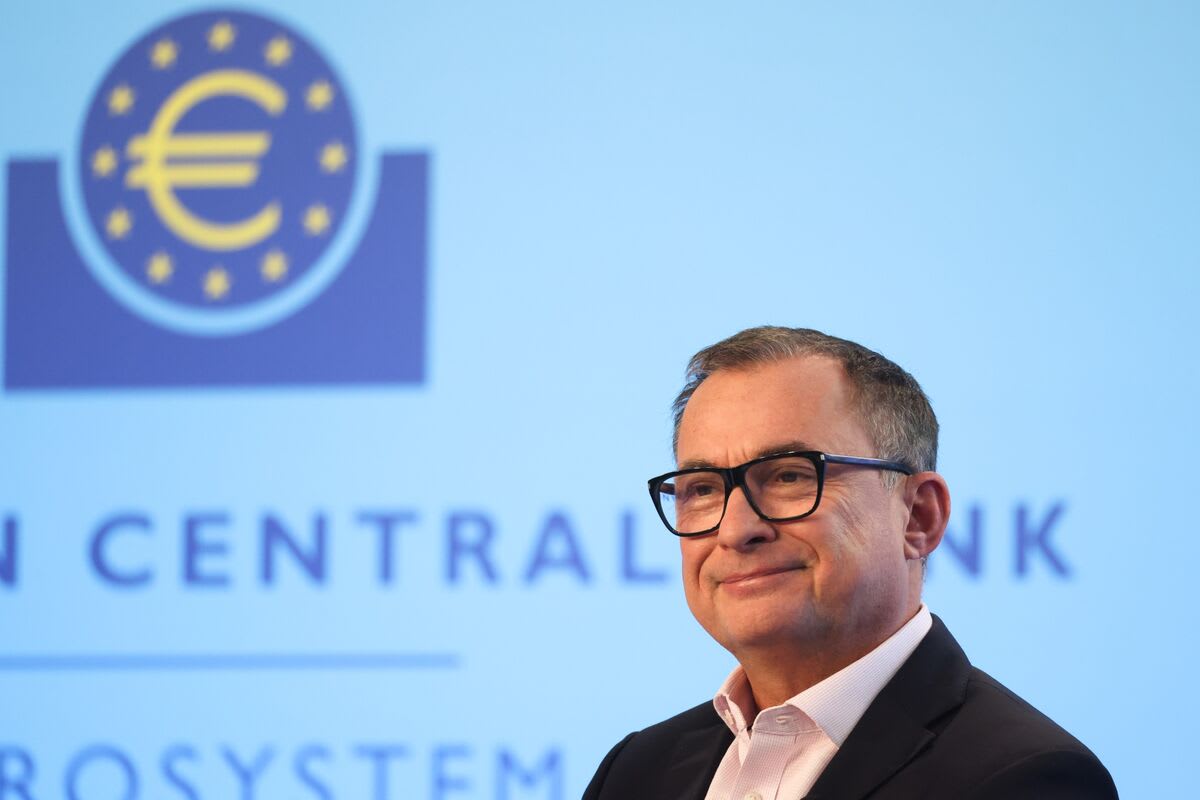
bloombergbloomberg+1gfmagThe contest to lead the European Central Bank entered a new phase this week as the Netherlands officially endorsed former Dutch central bank chief Klaas Knot for the presidency, while Germany's government began coalition discussions about nominating Bundesbank President Joachim Nagel.
The Netherlands formally backed Knot to succeed Christine Lagarde, according to a Finance Ministry spokesperson cited by Bloomberg. Knot, 59, served as president of De Nederlandsche Bank from 2011 to 2025 and previously chaired the Financial Stability Board, credentials that have made him a widely recognized front-runner in the race.bloomberg+2
On Wednesday, Bloomberg reported that Berlin is weighing whether to put forward Nagel, with his candidacy at the center of coalition talks prompted by growing expectations that Lagarde will depart before her mandate expires in October 2027. Nagel, a member of the ECB Governing Council, has built a reputation as a hawkish voice on price stability while showing flexibility on issues such as joint European defense financing through Eurobonds.gfmag+1
Spain added its name to the field in July when it backed Pablo Hernández de Cos, the general manager of the Bank for International Settlements and a former Bank of Spain governor, according to Euronews. His nomination marked Spain's first-ever bid for the ECB's top job.euronews
The succession jockeying has been driven by reports, first detailed by Reuters and Politico in February, that Lagarde may step down early to allow outgoing French President Emmanuel Macron to influence the selection before potential political shifts in Paris. The ECB said at the time that Lagarde had "not made a decision" about her departure.politico+2
The presidency carries weight beyond symbolism. The next ECB leader will inherit an institution navigating geopolitical uncertainty and the aftereffects of a rate-tightening cycle, with Nagel himself having flagged the economic risks posed by trade tensions and regional conflict. The appointment requires agreement among eurozone leaders, and analysts note the selection will likely be bundled with other ECB board vacancies expiring through 2027, including the chief economist and executive board seats.moderndiplomacy+3
A German nomination, if confirmed, would set up a contest between two of the eurozone's largest economies and a Southern European contender — a dynamic that could test the bloc's political balance as it charts monetary policy for the years ahead.