Newsletter Subscribe
Enter your email address below and subscribe to our newsletter
[forminator_form id="25163"]

All voices matter
HDFC sky+1Reuters+1TRADING ECONOMICS+1Oil prices surged to six-week highs on Thursday as the escalating US-Iran standoff over the Strait of Hormuz intensified supply fears, stoking inflation concerns and strengthening market expectations that the Federal Reserve will raise interest rates in September.
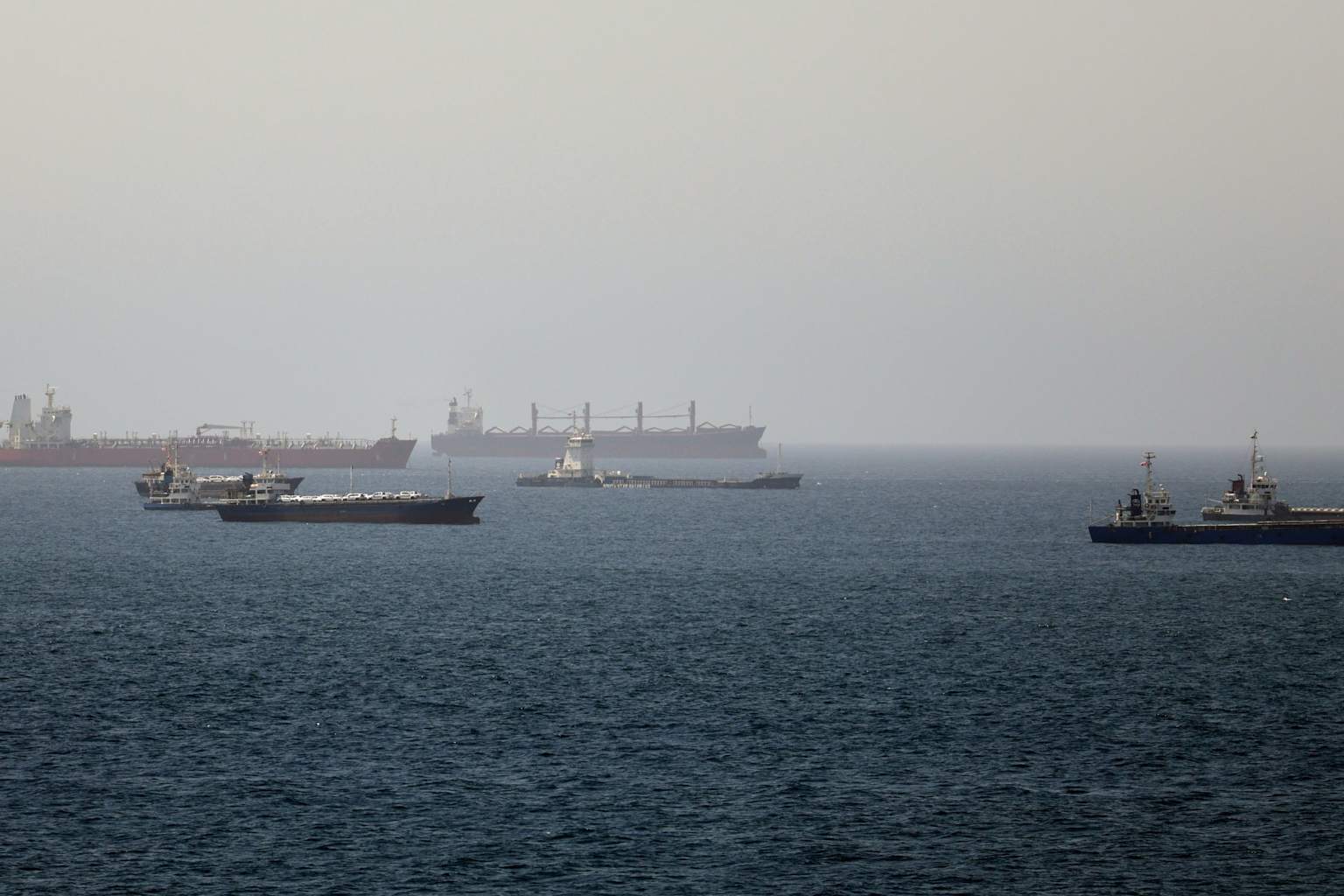
WTI crude rose to around $91 per barrel while Brent climbed above $95, according to Trading Economics and market data, extending a fifth consecutive day of sharp gains. The rally followed Iran's Revolutionary Guards declaring the strategic waterway "completely closed" and under their total control, with a tanker catching fire after an explosion.TRADING ECONOMICS+4
The latest escalation marks a deepening of the 2026 Strait of Hormuz crisis that began in late February. After a brief ceasefire collapsed in early July, the US launched its 12th consecutive night of airstrikes against Iranian targets, while President Trump threatened strikes on Iranian civilian and energy infrastructure if transit attacks persist. Reuters reported tanker traffic through the strait had fallen to a two-month low.The New York Times+2
The conflict has kept oil prices elevated well above pre-crisis levels. Brent has risen more than 36% over the past month, according to Trading Economics. Analysts at the New York Times warned that prices are "likely to remain volatile as long as the United States and Iran are unable to resolve the status of the Strait of Hormuz."TRADING ECONOMICS+1
The oil-fueled inflation surge has reshaped monetary policy expectations. CME FedWatch data from July 12 showed a 51.8% probability of a cumulative 25-basis-point hike by September and a 21.8% chance of a 50-basis-point increase — putting total September hike odds above 73%. Bank of America has forecast three 25-basis-point hikes in 2026, the most hawkish call among major brokerages, with Deutsche Bank projecting two increases.Reuters+1
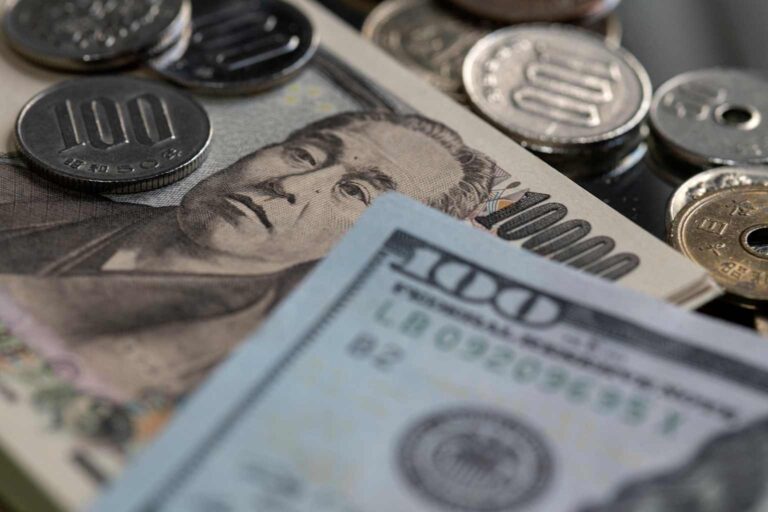
The US dollar has strengthened against every major currency over the past month as rate differentials widened, according to a Reuters poll of FX strategists. The euro fell near its one-year low against the dollar, while the EUR/USD pair remained under pressure from the Fed-ECB rate differential. Gold fell roughly 1% on Thursday to around $4,086-$4,133, retreating as the inflation narrative bolstered rate hike expectations and Treasury yields, even as geopolitical risk provided some floor.TRADING ECONOMICS+3
The Federal Reserve's July 28-29 meeting looms as the next key event, though markets still price a hold as the most likely outcome. The focus remains on September, when both BofA and Deutsche Bank expect the first hike to land. With the Strait of Hormuz effectively closed and no diplomatic resolution in sight, energy volatility appears set to remain the dominant force shaping global markets.Reuters+2