Newsletter Subscribe
Enter your email address below and subscribe to our newsletter
[forminator_form id="25163"]

All voices matter
imf+1eia+1reutersThe International Monetary Fund warned on Tuesday that while global oil markets have absorbed the disruption caused by the war in the Middle East, the reserves and inventory drawdowns that prevented a full-blown price crisis are now dangerously depleted.
In a blog post published on its website, the IMF said that the conflict cut off about a fifth of global oil supply, causing prices to jump before settling as lower demand, increased production outside the war zone, and inventory drawdowns cushioned the blow. But the fund cautioned that those buffers are now running thin, leaving the global economy vulnerable to further shocks.imf+2
The warning comes one week after the IMF's July World Economic Outlook update projected global growth of 3.0 percent in 2026, down from 3.1 percent forecast in April, with inflation revised upward to 4.7 percent partly due to higher and more volatile commodity prices. Oil prices remain roughly 30 percent above pre-war levels, according to a separate IMF analysis from June.nationthailand+2
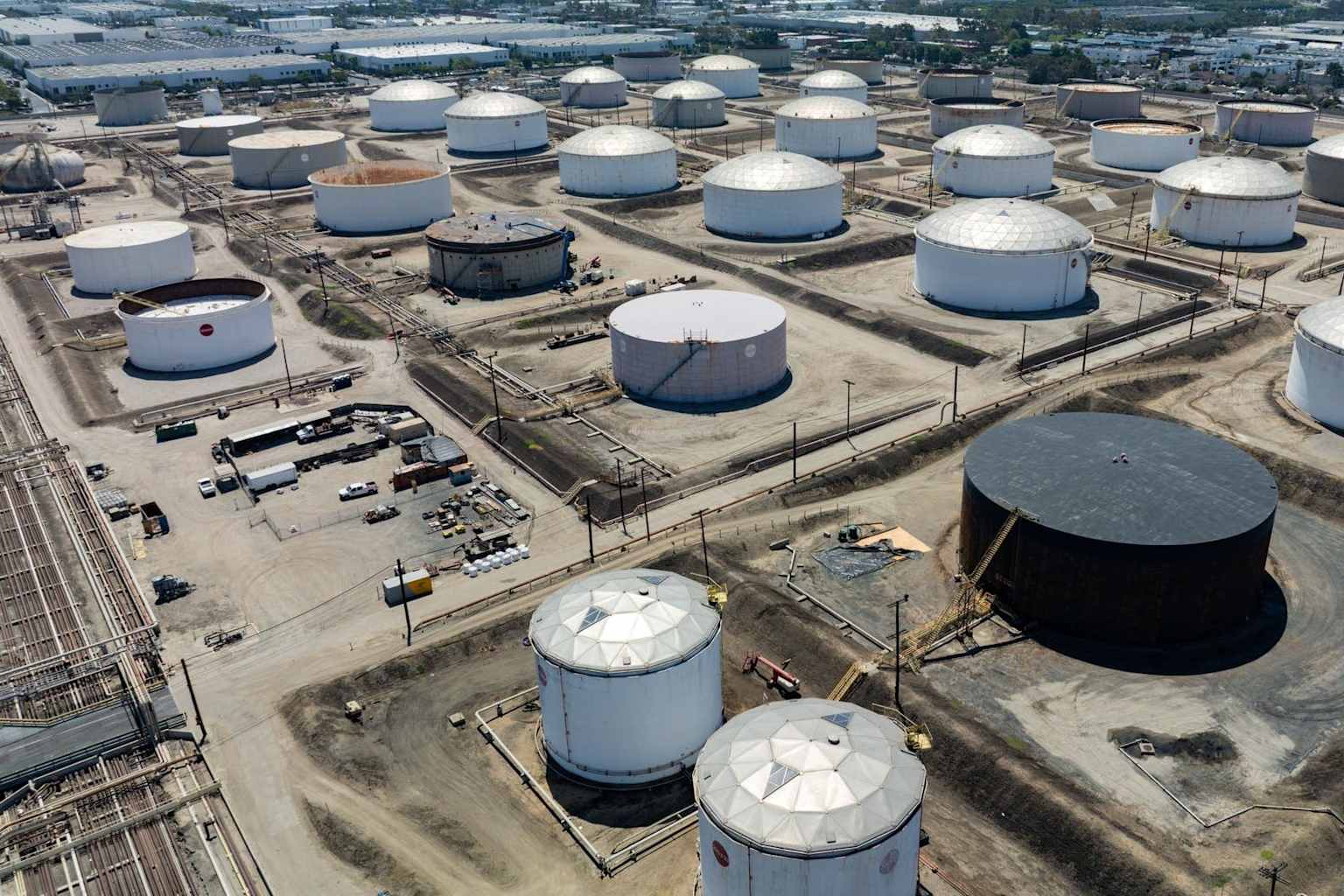
The U.S. Energy Information Administration estimated that global oil inventories fell by an average of 5.1 million barrels per day in the second quarter of 2026 and projected an additional decline of 2.2 million barrels per day in the third quarter. The International Energy Agency reported that roughly 400 million barrels had already been drawn from global stocks since the start of the war.eia+1
U.S. strategic petroleum reserves have fallen to 349 million barrels — a four-decade low — approaching the roughly 250 million barrel minimum needed to maintain infrastructure, according to analysis by MUFG. Marketplace reported that U.S. commercial inventories have also been heavily drawn down.marketplace+1
The IMF's July outlook noted that the oil futures curve remains in backwardation through the end of 2026, consistent with supply disruptions and heightened geopolitical risk. The Middle East and Central Asia region saw its 2026 growth forecast cut by 1.2 percentage points to just 0.7 percent, with five of eight conflict-affected oil exporters now projected to contract.imf+2
Reuters reported in June that vulnerable countries are now racing to build domestic oil storage, a push that could require roughly 500 million barrels of additional crude and refined products — adding further demand pressure even as supply remains constrained.reuters
The IMF's message is clear: the cushion that kept a supply disruption from becoming a global economic crisis has been spent. Without a rapid recovery in production flows, the risks of broader economic damage remain elevated.