Newsletter Subscribe
Enter your email address below and subscribe to our newsletter
[forminator_form id="25163"]

All voices matter
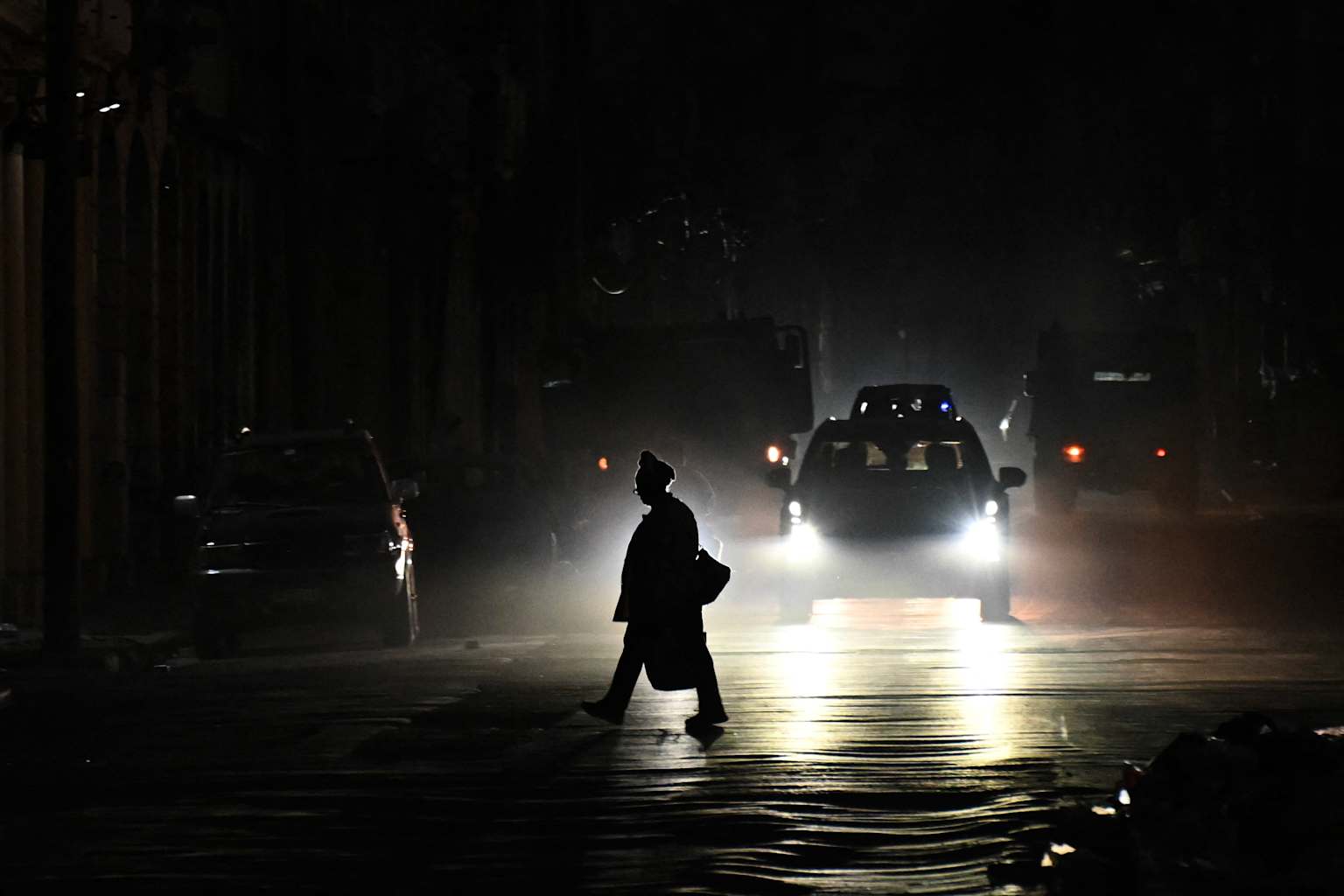
wmbdradio+1aljazeera+1upi+1Cuba's national power grid collapsed on Tuesday, the country's energy ministry confirmed, marking the third total blackout in just nine days and plunging nearly 10 million residents into darkness once again. The failure follows grid collapses on July 6 and July 10, representing the most concentrated series of outages in the island's modern history.wmbdradio+1
The cascading failures stem from a fuel crisis that has left Cuba virtually unable to power its aging thermoelectric plants. Cuba's Minister of Energy and Mines said in May that the island had entirely depleted its reserves of fuel oil and diesel, both essential for maintaining the electrical grid. The state-run Electric Union (UNE) has been generating only a fraction of peak national demand, forcing provinces across the island into daily blackouts lasting up to 18 hours or more.aljazeera+1
Reuters Thomson Reuters Corporation reported that nearly two-thirds of the country was already without power when the July 6 collapse occurred. Al Jazeera reported blackouts exceeding 30 hours in parts of Havana and over 70 hours in some rural areas. The situation has only deteriorated since.reuters+1
The Trump administration on Sunday expanded sanctions targeting Cuba's tourism ministry, energy companies, and trade sectors, according to UPI and NBC Miami. The measures freeze U.S.-based assets and bar Americans from doing business with the sanctioned entities. They build on Executive Order 14404, signed May 1, which authorized sweeping secondary sanctions against foreign companies and financial institutions operating in Cuba's energy, defense, and financial sectors.clearygottlieb+3
The U.S. imposed what observers describe as an energy embargo in January 2026 after threatening tariffs on nations supplying fuel to Cuba. Cuba produces only about 40 percent of its own fuel needs, making imported oil essential to basic services including hospitals and water systems.thinkglobalhealth+2
Four Democratic members of Congress who recently visited Cuba compared the U.S. energy embargo to a "silent Gaza," according to the Washington Post. Cuban deputy Elián González, speaking from Spain, called the blockade "genocidal," saying it is "killing Cubans, it's killing children".resumen-english+2
At the United Nations on July 6, Cuba's Foreign Minister Bruno Rodríguez spoke for 25 minutes likening the fuel blockade to an act of aggression. A Senate effort in April to force the president to seek congressional approval before maintaining the embargo failed 51-47 along party lines.passblue+1
Experts say resolving the crisis would require billions in infrastructure investment and an end to sanctions — neither of which appears forthcoming.