Newsletter Subscribe
Enter your email address below and subscribe to our newsletter

All voices matter
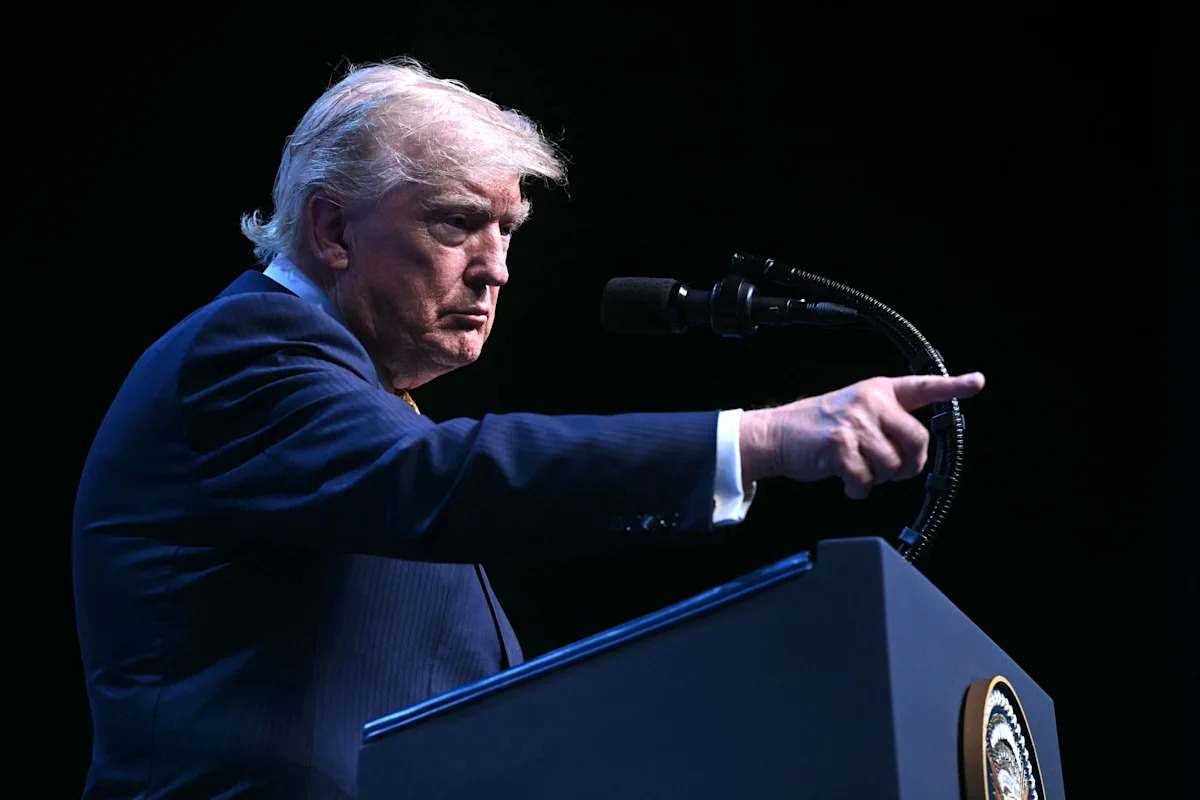
politico+1cbsnews+1washingtonpost+1President Donald Trump on Friday said the United States and Iran would continue negotiations despite his declaration earlier this week that the ceasefire between the two countries is "over," a contradictory posture that has left diplomats and analysts scrambling to assess the path forward.
Trump first declared the ceasefire finished on Wednesday during a press conference at the NATO summit in Ankara, Turkey, after Iran attacked commercial vessels in the Strait of Hormuz. "I think it's over. I don't want to deal with them anymore. They're scum," Trump told reporters. The U.S. military subsequently struck approximately 90 targets across Iran, and Tehran retaliated by launching missiles at U.S. allies Qatar, Bahrain, and Kuwait.cbsnews+2
The exchange of strikes marked the most serious escalation since the two countries signed the Islamabad Memorandum of Understanding on June 17, a framework brokered by Pakistan and Qatar that established a 60-day window to negotiate a final peace deal. Both sides accused the other of violating the terms of the agreement.nbcnews+2
On Friday, Trump said Iran had requested continued negotiations and the United States had agreed, according to reporting from the Washington Post News Corp and Politico. A U.S. official confirmed that "technical talks" between the two sides are continuing even as military operations proceed.cnn+3
The shift in tone came just days after Trump described the negotiations as "a waste of time". He also said Wednesday that Iran "wants to make a deal so badly" and threatened "much worse" strikes if Iran attacked ships again.cbsnews+1
Iranian officials have not confirmed reports of an upcoming summit between the two leaders. Iran's Foreign Ministry had previously insisted it would not hold direct meetings with the American side, though indirect talks through Qatari and Pakistani mediators have continued throughout the conflict.reuters
The Washington Post reported that analysts see the preliminary truce deal as deeply flawed, posing obstacles for negotiators trying to reach a comprehensive settlement. The Islamabad Memorandum left unresolved core issues including Iran's stockpile of highly enriched uranium, the scope of international inspections, and the timeline for lifting sanctions.aljazeera+1
A June analysis by the Council on Foreign Relations assessed the agreement as one that "heavily favors Tehran," calling it Iran's "biggest strategic victory". The roadmap agreed upon during talks in Switzerland in late June gave negotiators 60 days to finalize terms, but the resumption of hostilities has thrown that timeline into doubt.npr+2
As of Friday, the U.S. military reiterated that Iran does not control the Strait of Hormuz, while Iran has vowed retaliation for continued American strikes.foxnews+1