
Newsletter Subscribe
Enter your email address below and subscribe to our newsletter
[forminator_form id="25163"]

All voices matter
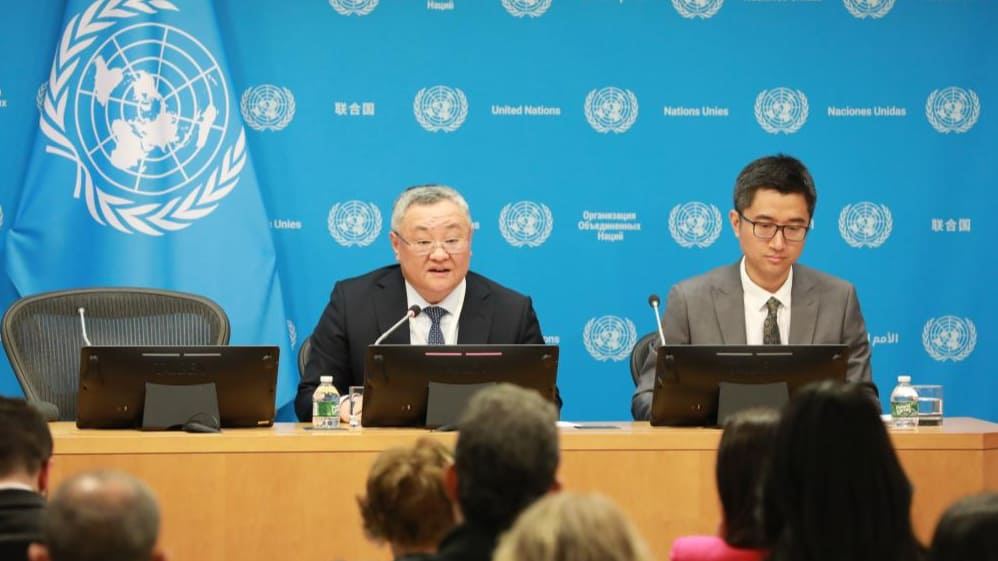
letsdatasciencereutersreuters+1At the same moment Chinese officials were promoting open-source artificial intelligence as a tool for global development at United Nations events in Geneva this week, Reuters reported that Beijing is quietly exploring whether to restrict overseas access to its most advanced AI models — a contradiction that has drawn scrutiny from developers and policymakers alike.
China's Minister of Industry and Information Technology, Li Lecheng, used the UN Global Dialogue on AI Governance on July 8 to call for "fair and inclusive" AI governance and greater participation by developing countries in rule-making. According to China Daily, Li proposed 200 digital-economy and AI training programs for Global South countries over five years. The speech came during a week of overlapping AI events in Geneva, including the ITU's AI for Good Global Summit, running July 7–10 at the Palexpo convention center.geneve+2
China's broader posture frames open-source models from firms like DeepSeek and Alibaba -backed Qwen as tools that lower barriers to AI adoption for lower-income countries. In June, Beijing released a white paper reaffirming its push to establish the World AI Cooperation Organization, headquartered in Shanghai, with membership open to any sovereign state and an agenda focused on bridging the global AI capability divide.chinadiplomacy
Yet according to a Reuters exclusive published July 7, Chinese authorities led by the Ministry of Commerce have spent the past month meeting with Alibaba, ByteDance, and the startup Z.ai about potentially curbing overseas access to their most advanced AI models. The discussions cover both closed-source systems and open-weight models — the freely downloadable systems that made Chinese AI popular abroad. Officials also discussed making leaks or thefts of proprietary AI technology punishable under national security law and imposing restrictions on who can fund domestic AI startups.reuters+1
A tiered system has been floated in an official Supreme People's Court journal: basic open-source tools subject to simple filing, more advanced technologies facing security reviews, and the most sensitive frontier models barred from public release or restricted to domestic use.thenextweb+1
The scope remains under discussion, sources told Reuters, and any measures may apply only to future models rather than those already publicly available. No timeline has been set. The Next Web noted the central paradox: "China won global goodwill by giving its models away," and European developers have leaned heavily on cheap open weights from firms like DeepSeek as an alternative to American closed models. Whether Beijing can simultaneously position itself as AI's generous benefactor to the Global South while restricting the very models that earned it that reputation remains an open question — one that the week's events in Geneva have made harder to avoid.letsdatascience+2