Newsletter Subscribe
Enter your email address below and subscribe to our newsletter
[forminator_form id="25163"]

All voices matter
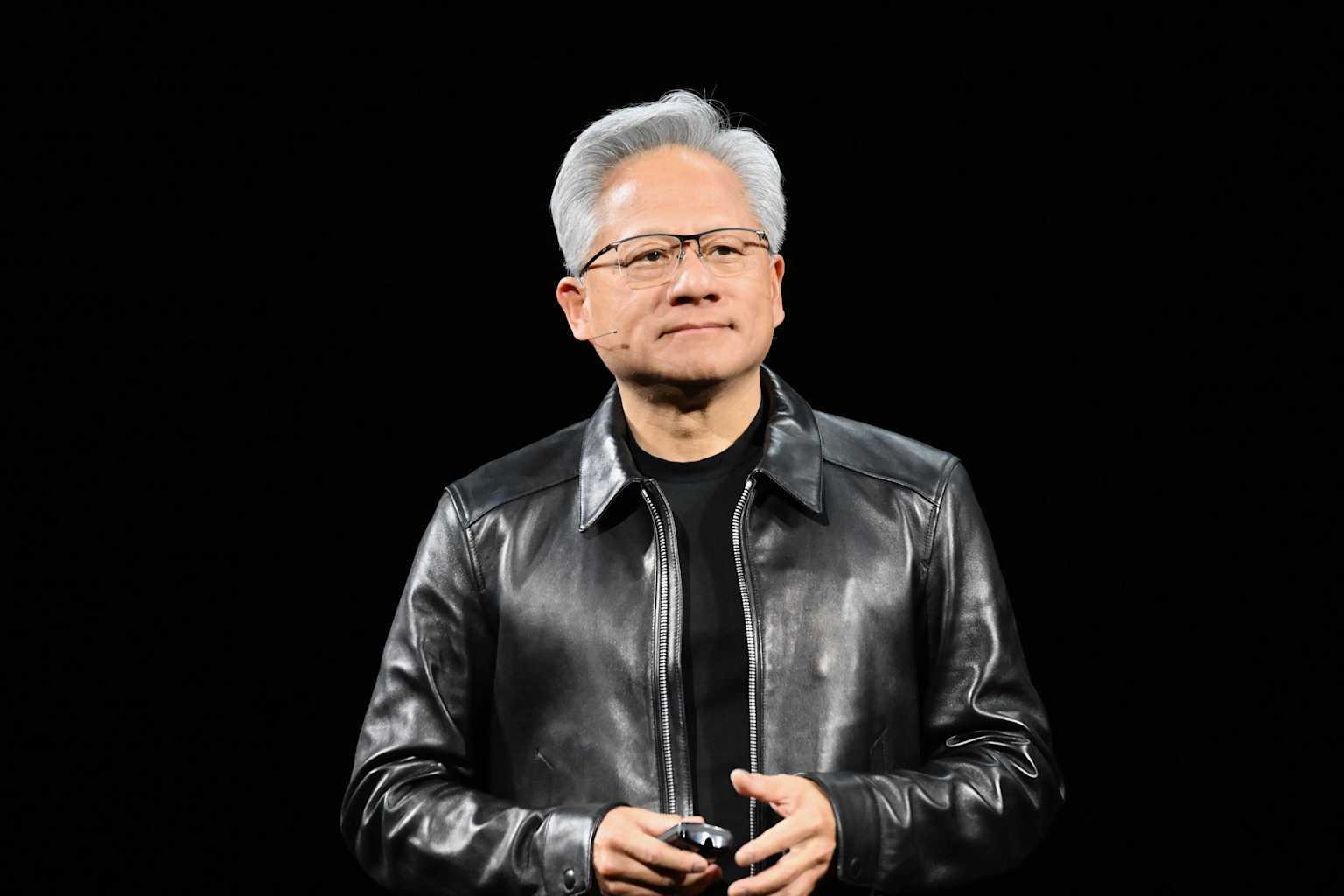
marketwatch.com.investor.nvidia.com+2.theedgemalaysia.com.Analysts say Southeast Asia could face tighter US rules on exporting and using advanced chips after Jensen Huang resigned as Nvidia chief executive, and that could slow the region's AI-driven data centre boom. Bloomberg reported that his affair with an alleged Chinese spy, who worked at a firm with ties to Singapore and Malaysia, has drawn more attention to how US-restricted chips are shipped and used in the region.bloomberg.com
Nvidia's board said on Thursday, November 12, that Huang had resigned effective immediately. Chief financial officer Colette Kress became interim CEO, CNN reported. The woman involved, Alice Huang, is a former executive at Singapore-based Megaspeed, an Nvidia customer. US intelligence officials believe she worked for China's Ministry of State Security, according to CNBC. China denies the allegations.investor.nvidia.com+2
Some Trump administration officials see Singapore, Malaysia and Thailand as weak points in efforts to keep advanced chips out of China, according to Bloomberg's reporting carried by The Edge Malaysia. The concern is that these countries serve either as transit points or as hosts for data centres that Chinese firms use remotely. The Wall Street Journal News Corp reported that the Commerce Department is considering new export rules and licensing requirements for Malaysia, Thailand, Indonesia and Singapore. The department is also finalising a rule to stop Chinese AI firms from remotely accessing advanced chips in data centres abroad, CNBC reported, citing The Information.cnbc.com+1
Huang had long lobbied against such curbs. "China hawks in policy circles in Washington DC were quite frustrated… They will now see some fruits of their efforts," Aalok Mehta of the Center for Strategic and International Studies told AFP.afp.com
On Friday, November 13, Malaysia said it had never cleared Megaspeed or its local affiliate, Speedmatrix, of wrongdoing. The government is working with customs officials to check whether chips were illegally re-exported, MarketWatch reported. Trade minister Johari Abdul Ghani said Malaysia is also considering a law to monitor data centres and their chip use, according to Reuters. In Singapore, a fifth person was charged in an AI server fraud case, CNBC reported.marketwatch.com+2
Ong Kian Ming, Malaysia's former deputy trade minister, said tighter rules "would put a dampener on the demand for AI compute" and that Malaysia "would take the brunt," with possible spillover to Thailand and Indonesia, The Edge Malaysia reported. Goldman Sachs has forecast that the region's data centre capacity will grow fourfold over five years. It has also pointed to "export-control arbitrage" by Chinese players as one of the drivers. Brian Lee, an analyst at Maybank Malayan Banking Berhad Securities, warned that weaker Chinese demand could put investment plans at risk.theedgemalaysia.com
Some economists expect closer oversight rather than a cutoff. "We think the more likely outcome is not a hard cap on Malaysia's chip supply, but tighter conditions on how chips are used once they land: stronger end-user checks, and location tracking," UOB senior economist Julia Goh told the New Straits Times.nst.com.my