Newsletter Subscribe
Enter your email address below and subscribe to our newsletter
[forminator_form id="25163"]

All voices matter
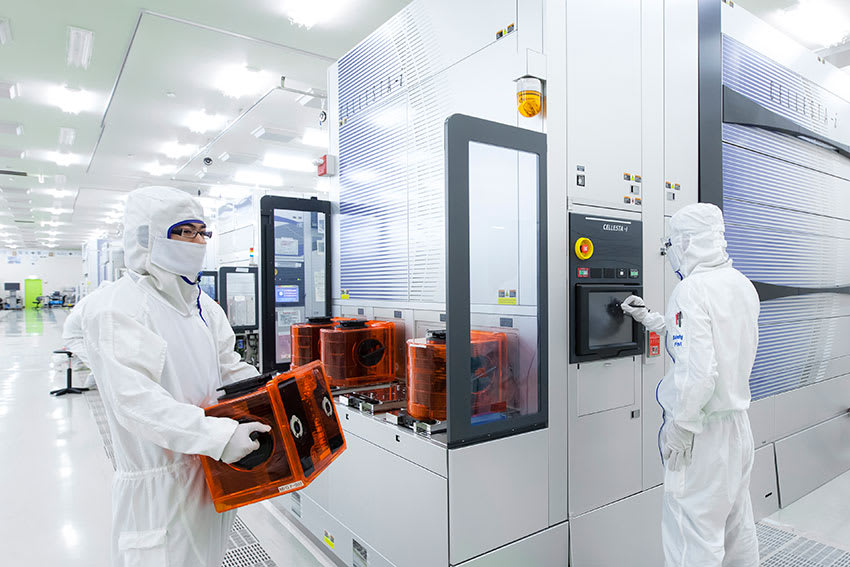
marketscale.com+1.trendforce.com+1.reuters.com+1.Terafab, the chipmaking venture of Tesla and SpaceX, has started ordering equipment from Japanese semiconductor toolmakers. At least one supplier was given a delivery deadline only months away, Nikkei reported on November 9. Terafab also gave suppliers a long-term target that is far larger than any single fab project in Japan, and that has left parts of the industry both eager for the business and doubtful about the schedule.chosun.com
Several Terafab procurement officials visited Japan in early November to meet local suppliers and work out mass-production plans, according to Chosun Ilbo's account of the Nikkei report. The suppliers that received orders have not been named, and neither have the tools involved, MarketScale noted. One equipment maker's representative told Nikkei, "It's an absurd order, but we have no choice but to respond as much as possible." Another supplier executive said the hottest topic in the industry "is not Kioxia or Rapidus—it's Elon Musk."marketscale.com+1
Citing people familiar with the matter, Nikkei said Terafab informally told equipment makers this autumn that it aims to produce 1 million silicon wafers a month from 2032 onward, Asia Economy reported. About 700,000 of those wafers would go to memory chips and more than 300,000 to logic chips. The total is about 40 times the 25,000-wafer monthly capacity of Rapidus's plant in Chitose, Hokkaido, TrendForce reported. The memory figure alone would roughly match Samsung Electronics' total DRAM capacity of about 650,000 to 700,000 wafers a month.asiae.co.kr+1
Terafab has not said whether that memory capacity would be DRAM or NAND, Aju Press reported. It has also not said how output would be split between HBM and LPDDR, according to TrendForce. Jiji Press reported that Intel is coordinating technical support for logic production using its 2-nanometer and 1.4-nanometer processes.trendforce.com+1
The rush orders are tied to Musk's plan to start volume production in the second half of 2028. On SpaceX's October 20 earnings call, Musk said Terafab aims to reach volume production by the third quarter of 2028 and to have a first SRAM test chip working around May or June 2027, Reuters reported. He added, "I put big error bars on this because we don't know if we will actually achieve this or not." He also thanked ASML and other suppliers for speeding up equipment deliveries.reuters.com
Industry officials remain skeptical. An executive at a major equipment maker called the 2028 goal "a goal on a completely different scale," noting that leading-edge fabs usually take more than three years to go from planning to mass production, Asia Economy reported. Even after the tools are installed, more time is needed to bring defect rates down, TrendForce noted. Separately, Musk has reportedly reopened talks with TSMC Taiwan Semiconductor Manufacturing Company Limited about a role in the project, according to a Benzinga report on Yahoo Finance.trendforce.com+2