Newsletter Subscribe
Enter your email address below and subscribe to our newsletter
[forminator_form id="25163"]

All voices matter
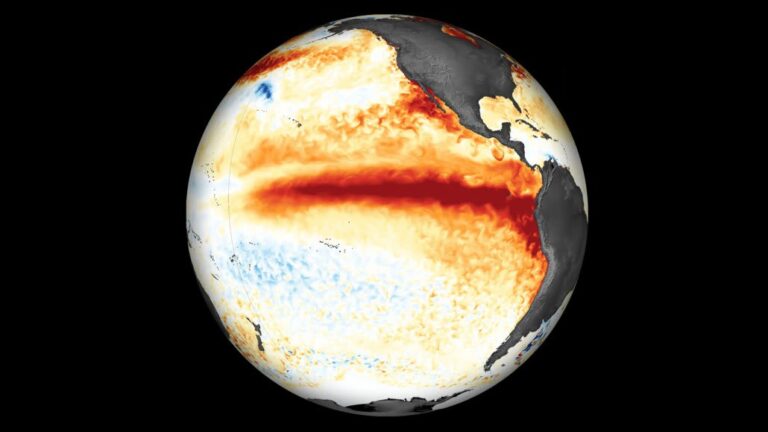
france24.com.france24.com+1.rmets.org+1.The European Union's climate monitor said on Friday, November 6, that 2026 is "virtually certain" to end more than 1.5C above preindustrial levels. That would make it only the second calendar year to cross the threshold, after 2024. The world also just had its warmest October on record. The Copernicus Climate Change Service (C3S) put the chance of passing 1.5C at more than 99%. Its statistical model gives a range of 1.56C to 1.61C for the year.dw.com+1
The bulletin comes days before governments meet for the two-week COP31 climate summit in Antalya, Turkey, which opens Monday, November 9.climate.copernicus.eu+1
Global surface air temperatures in October averaged 15.35C. That was 1.75C above the 1850–1900 baseline and the third month in a row above 1.5C. The previous October record was 1.7C, set in 2023. Sea surface temperatures outside the polar regions averaged 20.95C, also a record for the month.mobile.aa.com.tr+1
"October has continued the pattern of remarkable global warmth, with record global and surface ocean temperatures," said Samantha Burgess, strategic lead for climate at the European Centre for Medium-Range Weather Forecasts, which runs Copernicus. "An exceptionally strong El Niño is adding further heat to a climate already warmed by human activities". Burgess also noted that the four-year average for 2023 to 2026 is expected to exceed 1.5C. She said this shows "how persistent this period of global warming has become".france24.com+1
Copernicus expects 2026 to be the second-warmest year on record. It sees a 20% chance that the year ties or beats 2024. Other datasets point higher. A Carbon Brief analysis put the odds of a record year at up to 97% in Berkeley Earth's data and about 67% across six datasets combined. It also noted that one year above 1.5C does not by itself breach the Paris Agreement goal, which is measured over the long term.carbonbrief.org+1
The El Niño broke the daily record for the key Niño3.4 region in September. Nearly all models expect it to become the strongest on record, peaking near 4C this winter. Forecasters say it could help make 2027 the hottest year yet.france24.com+1
A media briefing from the Royal Meteorological Society said the event could temporarily push global temperatures to 1.6–1.8C. At current emission rates, that is a level of long-term warming the world would reach within 10 to 15 years. "Climate change is turbocharging extreme weather, and when we add an off-the-charts El Niño into the mix, we can expect some serious impacts this year and next," said Ella Gilbert, who led the briefing.rmets.org