Newsletter Subscribe
Enter your email address below and subscribe to our newsletter
[forminator_form id="25163"]

All voices matter
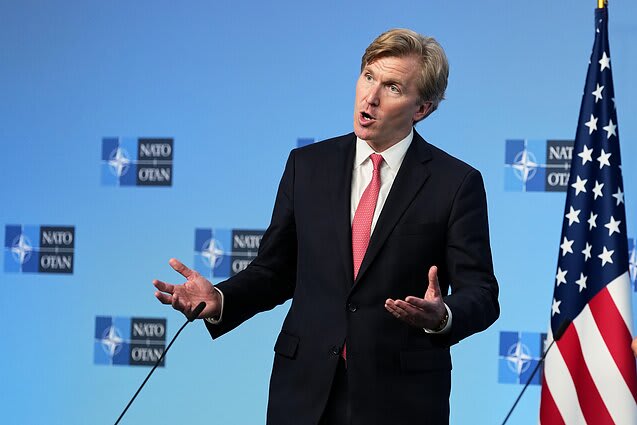
reuters.com.lrt.lt+1.reuters.com.Pentagon officials have privately asked several NATO allies, including Lithuania, Latvia and Estonia, to tone down their public warnings about the Russian threat. They argued that some statements by European leaders have undermined security on the continent, Reuters reported Friday, citing four people familiar with the matter. The messages were delivered in bilateral meetings over recent weeks. They come as the Trump administration renews its push for a negotiated end to the war in Ukraine, now in its fifth year.reuters.com
One source told Reuters that Elbridge Colby, the Pentagon's policy chief and a central figure in the ongoing review of U.S. troop levels in Europe, recently told a Baltic official there should be no "poking" directed at the Russians. Colby reportedly pointed to Europeans describing Russia as "cornered like a rat" as an example of unhelpful rhetoric, according to Reuters. It is not clear which remark he meant. In late September, however, Estonian Prime Minister Kristen Michal called Vladimir Putin a "rat in a corner," Lithuanian broadcaster LRT noted.lrt.lt+1
In a separate meeting, the Pentagon urged an Estonian delegation to be "measured" in its communications, Meduza reported, citing Reuters' sources. One European official summed up the U.S. message this way: "We are helping you. The Americans are there. Just don't be loud. Don't make noise." None of the sources described the exchanges as confrontational.meduza.io
The Pentagon said only that "private conversations among allies are just that, so we will not comment on these allegations." The defense ministries of the three Baltic states did not respond to requests for comment, and NATO declined to comment, Reuters said.reuters.com
Washington's latest peace effort combines incentives for Moscow, including sanctions relief, with pressure on Kyiv to stop striking Russian energy infrastructure. U.S. officials have also discussed possible business deals with Russia. That has drawn mixed reactions in Europe, where many governments want the Kremlin to stay economically isolated, Reuters reported.reuters.com
The requests come as Western intelligence officials say Russia has stepped up deniable attacks across Europe. On Wednesday, October 28, German prosecutors said two Belarusians had been arrested on suspicion of planning an arson attack in the Nuremberg area. In September, Berlin blamed Moscow for an attempted drone attack at Leipzig/Halle Airport. Russia denies running a sabotage campaign.
The U.S. messages reflect a wider debate within NATO. Some officials argue that stressing the Russian threat helps the Kremlin spread fear. Others say governments must be open with voters about the sacrifices needed to keep Moscow at bay. One European official called the Pentagon's advice "baffling," because Baltic intelligence services have repeatedly played down the chance that Russia will test NATO's mutual defense clause.
Meanwhile, Pentagon planners are reviewing the U.S. force posture in Europe, a process that could lead to a sharp cut in American troops on the continent. Washington wants European allies to take on more of their own defense while it focuses on the Middle East, Latin America and East Asia.