Newsletter Subscribe
Enter your email address below and subscribe to our newsletter
[forminator_form id="25163"]

All voices matter
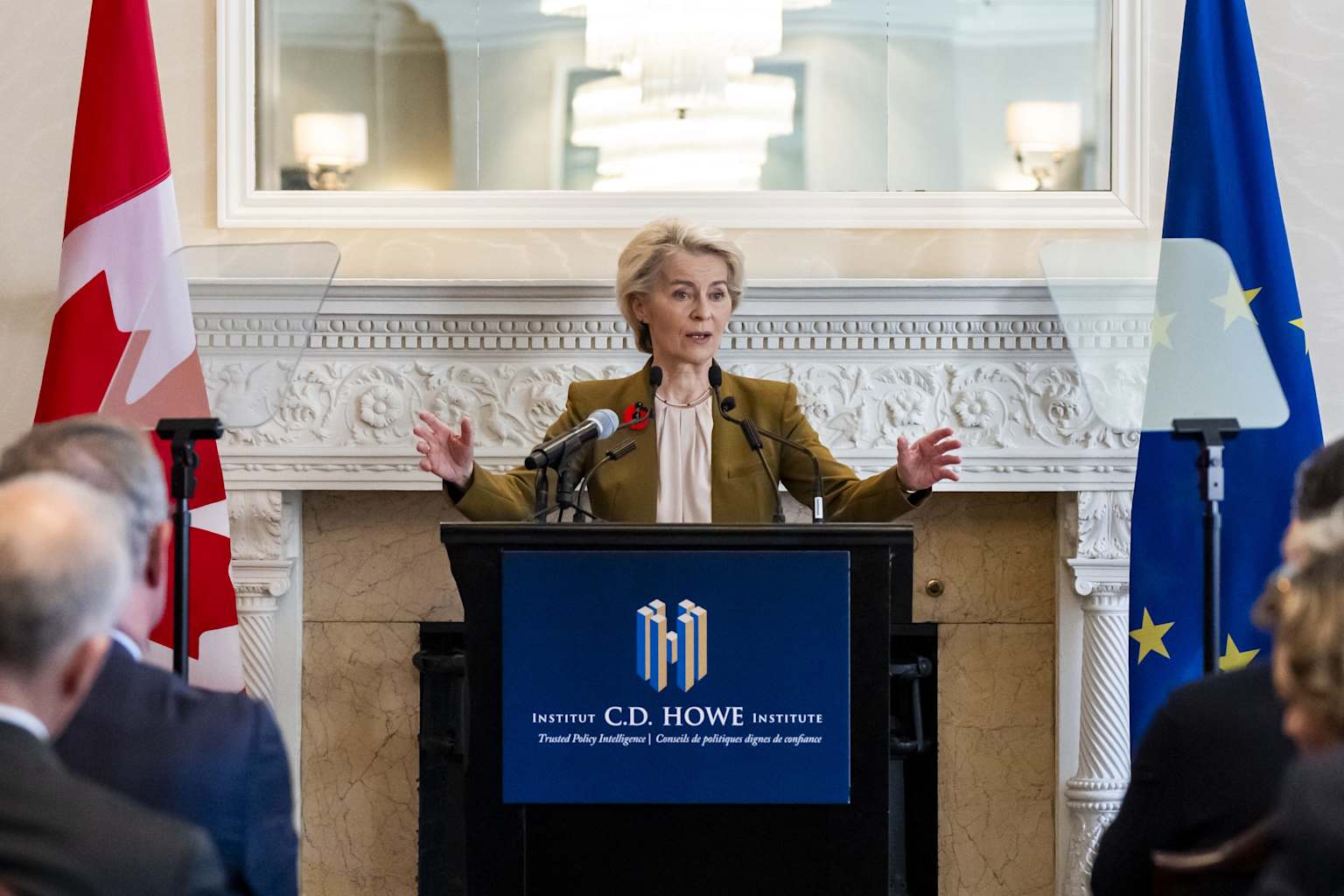
politico.eu.dw.com+1.euronews.com+1.European Commission President Ursula von der Leyen used a Montreal speech on Thursday, Oct. 29, to keep promoting the idea of Canada as the European Union's first "associate member." She did so one day after member states removed the term from the summit's joint declaration. "Canada cannot become a full-fledged member of the EU because of geography, but we both want to bring our relationship to the highest level possible," she said at an event hosted by the C.D. Howe Institute, adding, "This is why we are discussing the idea of Canada becoming the first associate member of the European Union".politico.eu
The speech opened a two-day EU-Canada summit running through Friday. It also exposed a gap between the Commission and EU capitals over what to call a deeper partnership that both sides say they want.
On Wednesday, Oct. 28, every reference to associate membership was taken out of the summit statement after objections led by Germany. The text now speaks of an "ever closer association". Diplomats said France and Italy also objected. They pointed to the lack of any such status in EU treaties, the vague meaning of the term and weak consultation by the Commission. Sources told CBC that Germany considered the term a red line.cbc.ca+2
Von der Leyen described her idea as "an association without accession." She said it would involve close alignment on AI, climate, energy, security and governance, along with "parliament to parliament" and "court to court" cooperation. Soon after she spoke, German Chancellor Friedrich Merz put out a statement saying the EU and Canada were establishing an "Alliance for the Future." His statement did not mention associate status. Merz called it "a unique partnership with a country outside the European Union".u.aa.com.tr+2
Commission spokesperson Paula Pinho said "it would have been much better to have unity from member states on the initial wording," but added that the two sides share "a common approach" on their goals. Prime Minister Mark Carney has preferred the "Alliance for the Future" framing. On Thursday he said, "The precise nomenclature is a question for Europe".euronews.com
The declaration is expected to be published Friday. It aims to reduce trade barriers, secure supplies of critical raw materials and medicines, and study whether Canada can export more liquefied natural gas to Europe. EU governments weakened some of the economic commitments, including dropping an explicit goal of deeper financial market integration. Under the revised text, the two sides will define what a relationship "short of full membership" means by next year's summit.dw.com+1
Merz had suggested associate membership for Ukraine in May as a step toward joining the EU, and Kyiv rejected it. Berlin denies that this history explains its opposition on Canada. The idea has also irritated President Donald Trump. He has warned that if he saw the move as a "hostile act," he might stop trading with Europe "on many things".cbc.ca+1